Everything You Need to Know About Bloating

Bloating is one of the most common digestive complaints, often leading to discomfort, a feeling of fullness, and visible abdominal swelling. While it is usually temporary, persistent bloating may signal an underlying digestive issue. In this article, we explore the symptoms, common causes, and effective strategies to reduce and prevent bloating.

Common Symptoms of Bloating

Bloating typically appears with one or more of the following symptoms:

  • Abdominal swelling or distention

  • A feeling of fullness or heaviness

  • Burping or passing gas

  • Occasional abdominal pain or cramping

Common Causes of Bloating

1. Gas-producing foods

Certain foods naturally produce more gas, such as beans, lentils, cabbage, cauliflower, broccoli, onions, and carbonated beverages.

2. Swallowing air

Eating too quickly, talking while eating, or chewing gum can cause excess air to enter the digestive system.

3. Food intolerances

Conditions such as lactose intolerance or gluten sensitivity can lead to gas production and bloating.

4. Constipation

When stool builds up in the intestines, it can slow digestion and increase gas formation.

5. Small Intestinal Bacterial Overgrowth (SIBO)

Abnormal bacterial growth in the small intestine can cause bloating, discomfort, and digestive disturbances.

6. Digestive disorders

Including:

  • Irritable Bowel Syndrome (IBS)

  • Indigestion

  • Gastroesophageal Reflux Disease (GERD)

7. Hormonal changes

Many women experience bloating during certain phases of the menstrual cycle due to hormonal fluctuations.

8. Stress

Stress can disrupt normal digestive function and worsen bloating.

Effective Strategies to Reduce Bloating

1. Adjust Your Diet

  • Avoid gas-producing foods: beans, lentils, broccoli, cabbage, onions, and carbonated drinks.

  • Introduce fiber gradually: a sudden increase in fiber can worsen bloating.

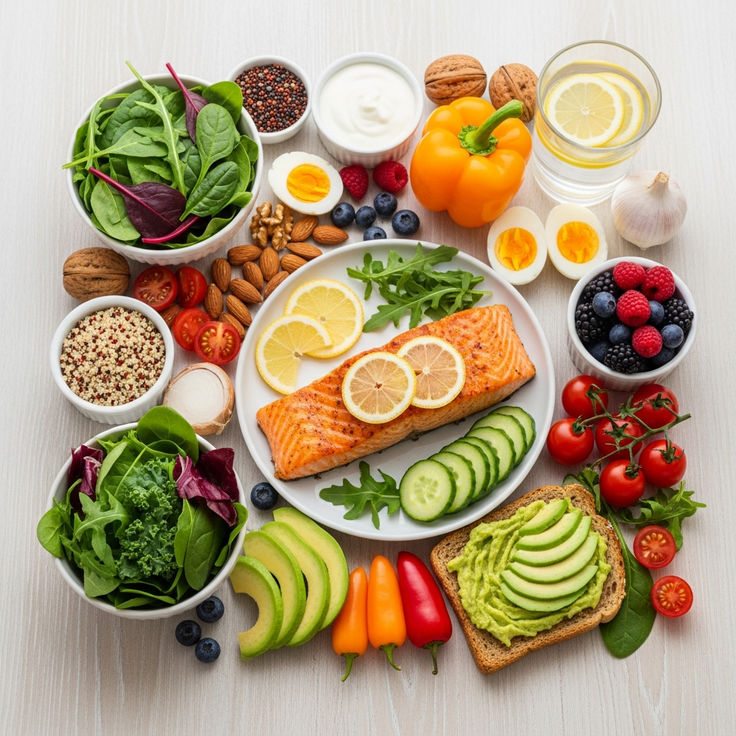
  • Choose anti-bloat foods: ginger, peppermint, fennel, bananas, and cucumbers can help soothe digestion.

2. Improve Your Eating Habits

  • Eat slowly and chew thoroughly: helps reduce the amount of air swallowed.

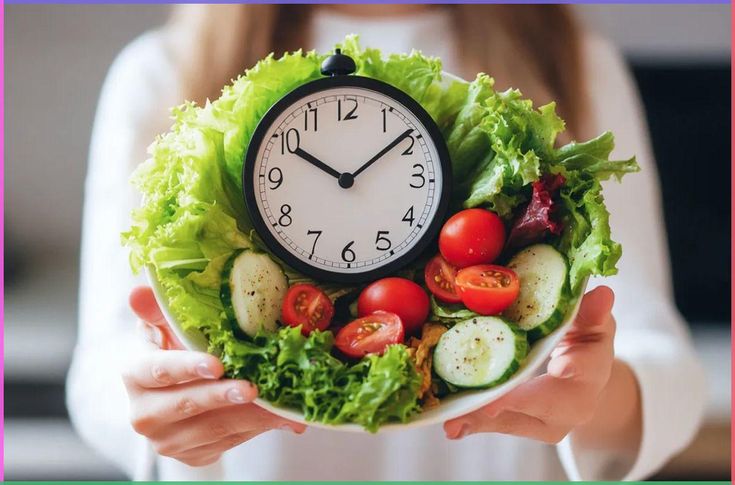
  • Choose smaller, more frequent meals: makes digestion easier.

  • Avoid drinking excessive water during meals: it may slow down the digestive process.

3. Hydrate with beneficial drinks

  • Herbal teas: peppermint, chamomile, ginger, and fennel teas are excellent for reducing bloating.

  • Warm water with lemon: drinking it in the morning can stimulate digestion.

4. Increase physical activity

  • Walking for 10–15 minutes after meals helps move gas through the digestive tract.

  • Yoga poses such as Seated Twist and Child’s Pose can effectively relieve bloating.

5. Improve daily habits

  • Avoid chewing gum

  • Limit or eliminate carbonated beverages

  • Manage stress levels

6. Address specific digestive issues

  • Check for food intolerances: lactose or gluten sensitivity may be the cause.

  • Relieve constipation: adequate fiber, water intake, and regular physical activity help prevent it.

When Should You See a Doctor?

Seek medical attention if bloating appears with:

  • Unexplained weight loss

  • Severe or persistent abdominal pain

  • Significant changes in bowel movements

  • Blood in the stool

Persistent bloating can sometimes indicate more serious gastrointestinal conditions.

How to Eat Without Feeling Bloated (Key Tips)

  • Eat slowly and mindfully: rushing meals is a major cause of bloating.

  • Avoid carbonated beverages: they contain carbon dioxide, which increases abdominal gas.

  • Be mindful of food combinations: heavy proteins combined with starchy carbohydrates may slow digestion.

  • Consume fiber with adequate water: fiber without enough hydration can cause constipation and bloating.

No comment

Leave a Reply

Your email address will not be published. Required fields are marked *