Choline is an essential nutrient that plays a vital role in numerous physiological processes. Although the human body can produce small amounts of choline in the liver, this endogenous production is not sufficient to meet daily needs. Therefore, it must be obtained through diet or supplementation.
While choline is not classified as a vitamin or mineral, it is often grouped with the B-complex vitamins due to its similar biological functions.
Health Benefits of Choline
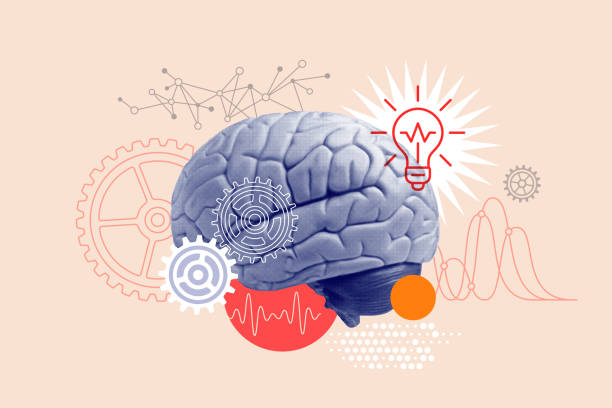
1. Supports Brain Health and Cognitive Function
Choline is a precursor to acetylcholine, a key neurotransmitter involved in memory, mood regulation, and muscle control. Adequate choline intake has been linked to better cognitive performance and may help reduce the risk of neurodegenerative disorders such as Alzheimer’s disease.
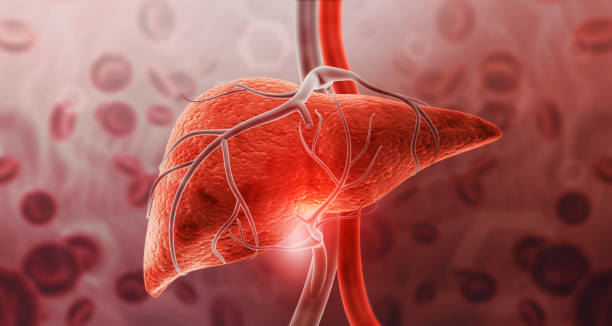
2. Promotes Liver Health
Choline is essential for fat metabolism. A deficiency can lead to the accumulation of fat in the liver, potentially resulting in non-alcoholic fatty liver disease (NAFLD). It also plays a role in liver detoxification processes.
3. Contributes to Heart Health
By participating in the conversion of homocysteine to methionine, choline helps lower homocysteine levels a known risk factor for cardiovascular disease.
4. Crucial During Pregnancy for Fetal Development
Choline is vital for fetal brain and spinal cord development. Adequate maternal intake may reduce the risk of neural tube defects and improve long-term memory outcomes in children.
5. Cell Structure and Metabolism
Choline is necessary for the synthesis of phospholipids, such as phosphatidylcholine, which are critical components of cell membranes. It also contributes to fat transport and energy metabolism.
Dietary Sources of Choline
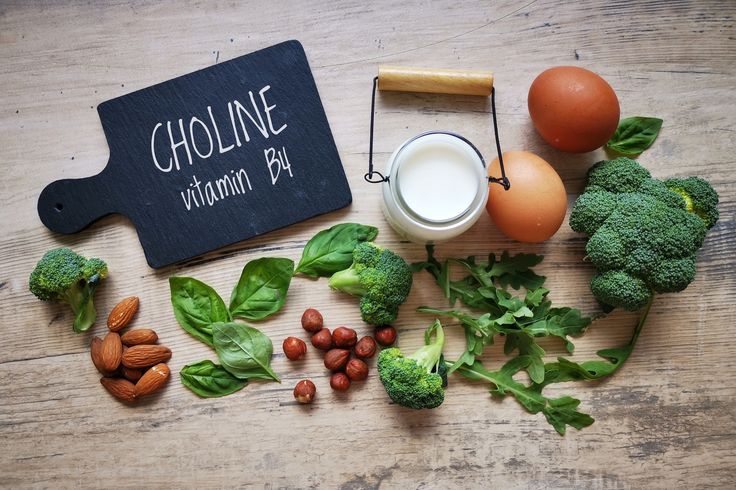
Some of the most choline-rich foods include:
Egg yolks: Among the richest natural sources, containing approximately 147 mg of choline per 100 grams.
Beef liver: Extremely high in choline, offering about 420 mg per 100 grams.
Red meat: Provides roughly 60–70 mg per 100 grams.
Salmon: Contains about 56 mg per 100 grams.
Peanuts: Offer approximately 50 mg per 100 grams.
Broccoli: A plant-based source, with about 40 mg per 100 grams.
Milk and dairy products: Typically provide 30–40 mg per 100 grams.
Soy and soy products: Contain between 100–120 mg per 100 grams.
Choline Deficiency: Symptoms and Risks
Choline deficiency is relatively rare in healthy individuals but may occur in people with specific conditions such as liver disease, alcohol dependence, or restrictive diets. Potential signs and consequences of choline deficiency include:
Fat accumulation in the liver (fatty liver)
Muscle damage
Memory loss or cognitive decline
Increased risk of cardiovascular disease
Neural tube defects in infants (if deficient during pregnancy)
Recommended Daily Intake of Choline
Daily choline requirements vary based on age, gender, and physiological status:
Adult men need about 550 mg of choline per day.
Adult women require approximately 425 mg per day.
Pregnant women should aim for around 450 mg daily.
Lactating women need about 550 mg per day.
Children aged 1–8 require 200–250 mg, depending on age.
Adolescents typically need 375–400 mg per day.
These values are based on guidelines from the Institute of Medicine (IOM).
Choline in Supplements
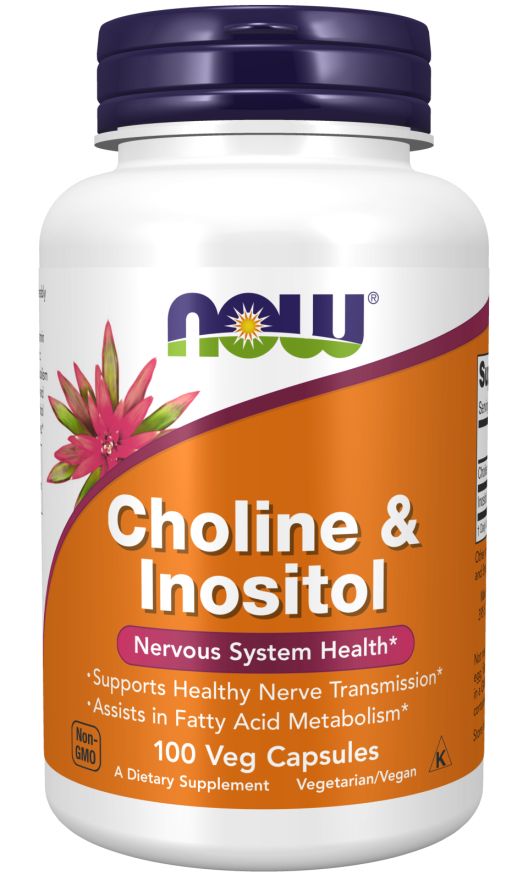
Choline is available in various supplement forms, including:
Choline chloride
Choline bitartrate
Alpha-GPC (L-Alpha glycerylphosphorylcholine)
Supplementation may be beneficial in certain populations, such as pregnant women, older adults, or individuals with liver conditions. However, it should always be done under the guidance of a healthcare provider.
Potential Side Effects of Excess Choline
Although choline is essential, excessive intake may lead to side effects, especially if consumed well above the recommended levels. Possible symptoms include:
Fishy body odor (due to trimethylamine production)
Nausea and vomiting
Hypotension (low blood pressure)
Excessive sweating
Gastrointestinal disturbances
The Tolerable Upper Intake Level (UL) for choline in adults is set at 3,500 mg per day.
Conclusion
Choline is a vital nutrient that supports brain function, liver health, heart health, and fetal development. Ensuring adequate intake—whether through a well-balanced diet or supplementation—is essential for maintaining overall health. Natural food sources such as egg yolks, liver, and soy can help meet daily requirements, while supplements may be considered in special cases under professional supervision.






No comment