


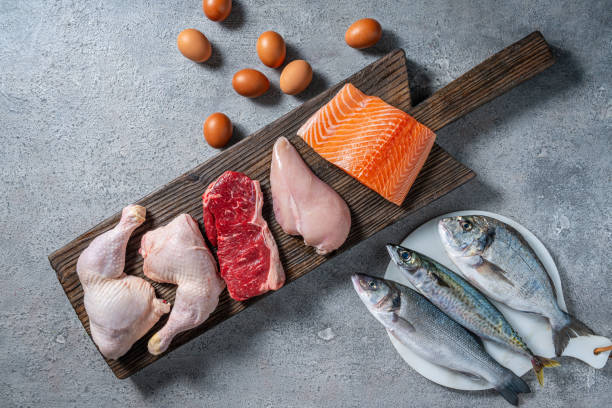
Definition of Protein
Protein is one of the three primary macronutrients alongside carbohydrates and fats essential for the human body’s growth, maintenance, and repair. Chemically, proteins are composed of long chains of amino acids, which are linked by peptide bonds to form complex structures.
Proteins are involved in virtually every cellular process and are vital for building tissues, producing enzymes and hormones, and supporting immune function.
Types of Protein
By Source:
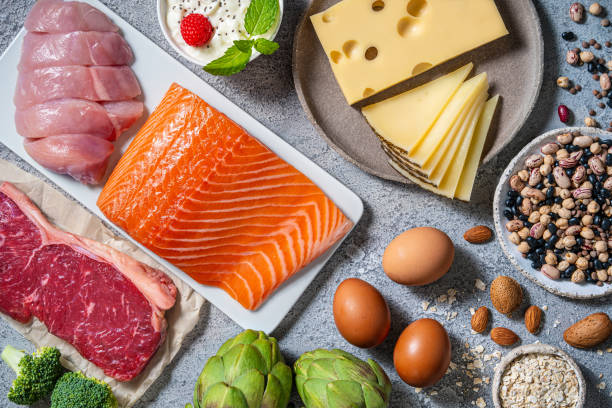
Animal-Based Proteins: Found in meat, poultry, fish, eggs, and dairy. These are generally complete proteins, meaning they contain all nine essential amino acids required by the body.
Plant-Based Proteins: Found in legumes (beans, lentils, chickpeas), nuts, seeds, whole grains, and soy. Most are incomplete proteins, lacking one or more essential amino acids, although soy and quinoa are exceptions.
By Function:
Structural Proteins: Such as collagen (in skin and joints) and keratin (in hair and nails).
Enzymatic Proteins: Act as catalysts in metabolic reactions.
Transport Proteins: For example, hemoglobin transports oxygen in the blood.
Immunoproteins: Antibodies that help fight infections.
Hormonal Proteins: Such as insulin, which regulates blood sugar.
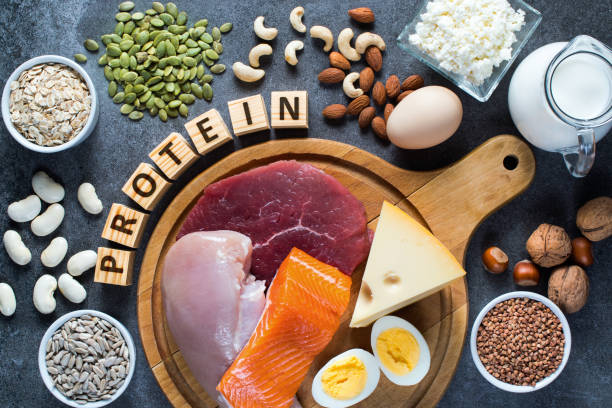
Key Functions of Protein in the Body
Tissue Building and Repair: Essential for the growth, maintenance, and repair of muscle, skin, bones, and organs.
Enzyme and Hormone Production: Many enzymes and hormones are proteins.
Immune System Support: Proteins such as antibodies play a critical role in immune defense.
Transport of Nutrients and Gases: Proteins help transport substances like oxygen and nutrients throughout the body.
Energy Source (when needed): Protein provides 4 kcal per gram but is not the body’s primary energy source.
Essential vs. Non-Essential Amino Acids
Proteins are made up of approximately 20 amino acids. Nine are essential, meaning the body cannot produce them and they must be obtained through diet. The remaining are non-essential, as the body can synthesize them internally.
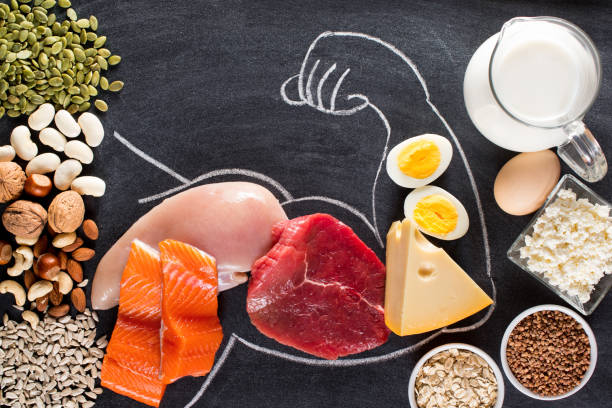
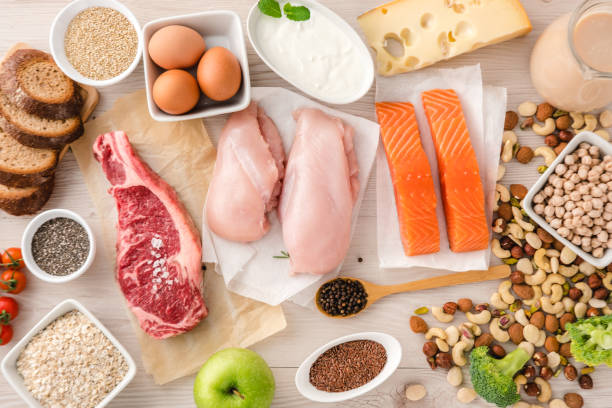
Best Dietary Sources of Protein
Animal-Based:
Lean meats (chicken breast, turkey)
Fish and seafood
Eggs
Milk, cheese, and yogurt
Plant-Based:
Lentils, beans, and chickpeas
Soy and soy products (tofu, tempeh)
Seeds (chia, flaxseed)
Nuts (almonds, walnuts)
Whole grains (quinoa, oats, buckwheat)
Recommended Daily Protein Intake
Protein needs vary based on age, gender, activity level, and health status.
General Adults: ~0.8 grams per kilogram of body weight per day
Athletes: 1.2–2.0 grams/kg/day, depending on intensity and goals
Children, elderly, and pregnant women: May require higher amounts
For example, a 70 kg (154 lb) adult would need approximately 56 grams of protein per day under normal conditions.
Symptoms of Protein Deficiency
Muscle loss and weakness
Fatigue and low energy
Thinning hair and brittle nails
Weakened immune function
Edema (fluid retention and swelling)
Slow wound healing
Risks of Excessive Protein Consumption
Increased strain on kidneys (particularly in those with pre-existing kidney conditions)
Dehydration
Nutrient imbalance (reduced intake of fiber, vitamins, and minerals)
Elevated cholesterol levels (especially with high intake of red or processed meats)
Balance is key overemphasis on protein, particularly from poor-quality sources, can have long-term health consequences.
Protein and Exercise
Protein is crucial for athletes and physically active individuals for:
Muscle growth and repair
Recovery after exercise
Preventing muscle breakdown during intense training
Post-workout meals that combine protein with carbohydrates are especially beneficial. Protein supplements (like whey protein) can be convenient but should not replace whole foods unless necessary.

Protein is a foundational component of human health, playing a vital role in nearly every biological process. Ensuring adequate, balanced protein intake from a variety of sources helps promote:
Strong muscles and bones
A robust immune system
Efficient metabolism
Overall wellness
For optimal health, individuals should focus on high-quality protein sources, appropriate portion sizes, and a diverse, well-rounded diet. Consulting a nutritionist or healthcare provider is recommended for those with specific dietary needs or health conditions.
No comment