

What Is Beta-Carotene?
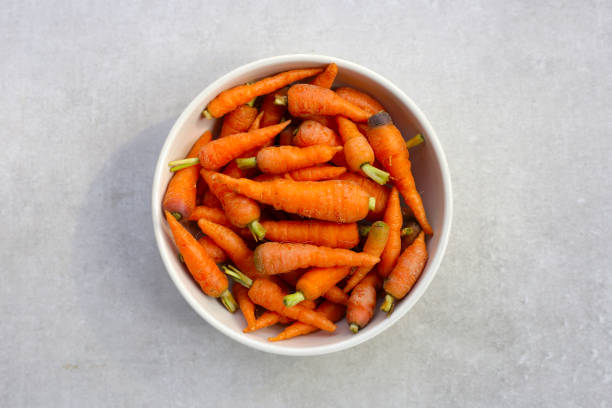
Beta-carotene is a naturally occurring plant pigment belonging to the carotenoid family, responsible for the orange, yellow, and dark green colors of many fruits and vegetables. It is a provitamin A, meaning the body converts it into vitamin A (retinol) as needed. Due to this function, it plays a critical role in maintaining various essential physiological processes.
Role of Beta-Carotene in the Body
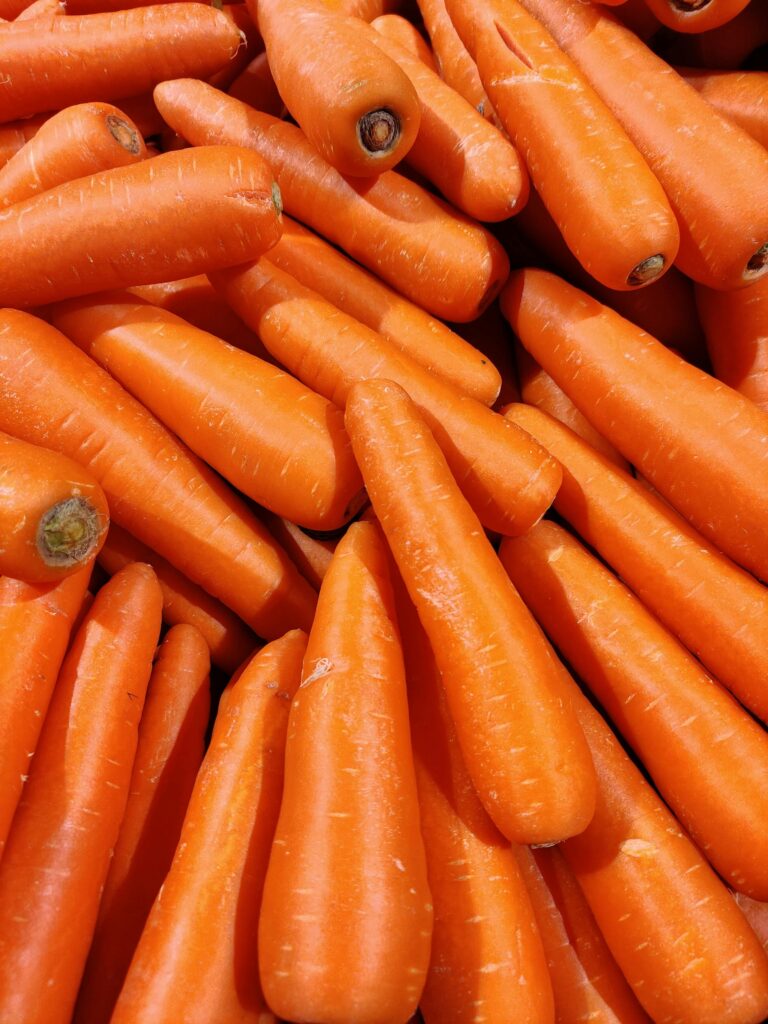
Vitamin A Production: In the liver, beta-carotene is converted into vitamin A, which is essential for healthy vision, skin, immunity, and cellular growth.
Antioxidant Function: As a potent antioxidant, beta-carotene helps neutralize free radicals, reducing oxidative stress and cellular damage.
Supports Immune Health: Enhances immune responses and resistance to infections.
Promotes Skin and Hair Health
Protects Eye Health: Helps prevent age-related macular degeneration and other retinal disorders.
Dietary Sources of Beta-Carotene
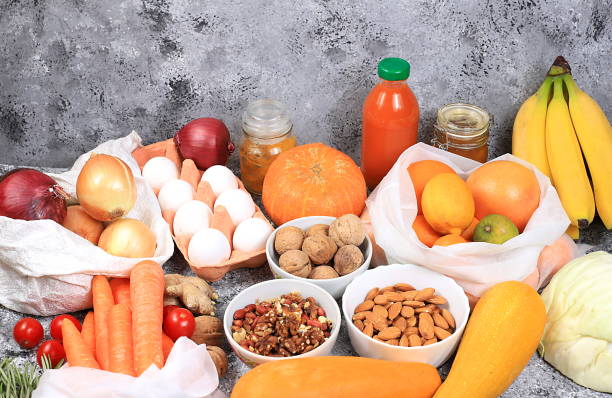
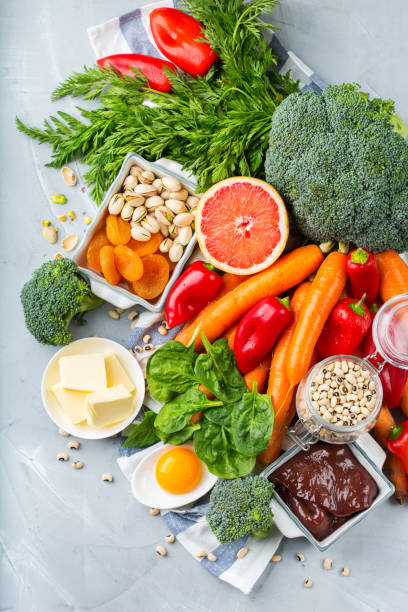
Beta-carotene is abundant in various fruits and vegetables, especially those with orange, yellow, or dark green hues. Some of the richest dietary sources include:
Carrots: One of the most concentrated sources of beta-carotene, carrots are easy to incorporate into both raw and cooked dishes.
Sweet Potatoes: These provide a generous amount of beta-carotene and are best consumed baked or steamed to retain their nutritional value.
Pumpkin: A seasonal vegetable rich in beta-carotene, commonly used in soups, purees, and baked goods.
Spinach: Despite its dark green color, spinach contains high levels of beta-carotene, masked by chlorophyll.
Kale: Another leafy green with excellent beta-carotene content, widely used in salads, smoothies, and cooked dishes.
Cantaloupe (Rockmelon): This sweet melon offers a moderate amount of beta-carotene and is ideal for fresh consumption.
Apricots: These small fruits provide a moderate supply of beta-carotene, particularly when consumed fresh.
Mangoes: This tropical fruit delivers a good balance of beta-carotene and natural sugars, making it both nutritious and enjoyable.
Orange Bell Peppers: A vibrant and flavorful vegetable that contains moderate beta-carotene, great for salads and stir-fries.
Note: Beta-carotene is fat-soluble, meaning its absorption is enhanced when consumed with healthy fats such as olive oil, nuts, or avocado.

Health Benefits of Beta-Carotene
Prevents Vitamin A Deficiency
Supports Eye Health: May help prevent conditions like night blindness and age-related macular degeneration
Strengthens the Immune System
Protects Against Chronic Diseases: Due to its antioxidant properties
Enhances Skin Appearance: Promotes a radiant complexion and skin cell regeneration
Recommended Daily Intake
While there is no specific daily requirement for beta-carotene itself, guidelines are often based on vitamin A needs, as beta-carotene is its precursor.
Men: About 900 micrograms (RAE – Retinol Activity Equivalents) of vitamin A per day
Women: About 700 micrograms RAE per day
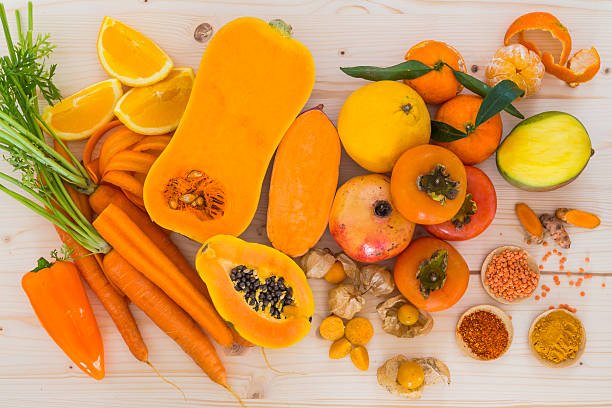
Consuming 3 to 5 servings of fruits and vegetables rich in beta-carotene daily is generally sufficient to meet these requirements.
Risks and Precautions
From Food Sources: Excess beta-carotene from natural foods is not harmful. The body regulates conversion to vitamin A based on need.
From Supplements: High-dose beta-carotene supplements, particularly in smokers, have been associated with an increased risk of lung cancer in some clinical trials.
Carotenemia: Overconsumption of beta-carotene-rich foods can lead to a harmless condition called carotenemia, where the skin (especially palms and soles) turns yellow-orange. It is reversible with dietary adjustment.
Beta-Carotene in Supplements
Beta-carotene is available in capsule or tablet form, often marketed as an antioxidant or a vitamin A supplement. However, supplementation should be done with medical guidance, especially for individuals with chronic illnesses, smokers, or those taking medications.
Conclusion
Beta-carotene is a vital plant compound and a major precursor to vitamin A, with numerous health benefits ranging from enhanced vision and skin health to stronger immunity and protection against oxidative damage. The best way to ensure adequate intake is through a diverse diet rich in colorful fruits and vegetables. While food-based sources are safe and beneficial, beta-carotene supplementation should be approached with caution and professional consultation.
No comment