Carbohydrates are one of the three main macronutrients, alongside fats and proteins. They serve as the body’s primary source of energy. However, the type and quantity of carbohydrates consumed can significantly impact metabolic health, blood sugar regulation, and the development or prevention of insulin resistance. Below is a comprehensive, evidence-based overview of carbohydrates and their effects on health.
The Role of Carbohydrates in the Body
Carbohydrates are broken down into glucose during digestion a simple sugar that serves as the main energy source for cells. Once absorbed into the bloodstream, glucose is transported into cells with the help of the hormone insulin. When this process functions properly, blood sugar levels remain within a healthy range. However, excessive or inappropriate carbohydrate intake can impair cellular insulin sensitivity, leading to insulin resistance, a key precursor to type 2 diabetes.
Types of Carbohydrates and Their Impact on Insulin Sensitivity
Carbohydrates are generally categorized into two main types based on their chemical structure and how quickly they are digested and absorbed:
✅ Simple Carbohydrates
These include monosaccharides (e.g., glucose, fructose) and disaccharides (e.g., sucrose, lactose). Due to their simple structure, they are rapidly digested, causing a quick and sharp rise in blood glucose and insulin levels.
Common sources of simple carbohydrates:
White bread and white rice
Sugar-sweetened beverages (sodas, commercial fruit juices)
Candy, cakes, and other refined sweets
Certain high-sugar fruits (e.g., ripe bananas, grapes)
Chronic consumption of simple sugars can contribute to blood sugar spikes, insulin overproduction, fat accumulation (especially visceral fat), and ultimately, insulin resistanceand low-grade chronic inflammation.
✅ Complex Carbohydrates
These are polysaccharides such as starches and dietary fiber. They have a more intricate chemical structure and take longer to break down, leading to a gradual and sustained rise in blood sugar and a more moderate insulin response.
Common sources of complex carbohydrates:
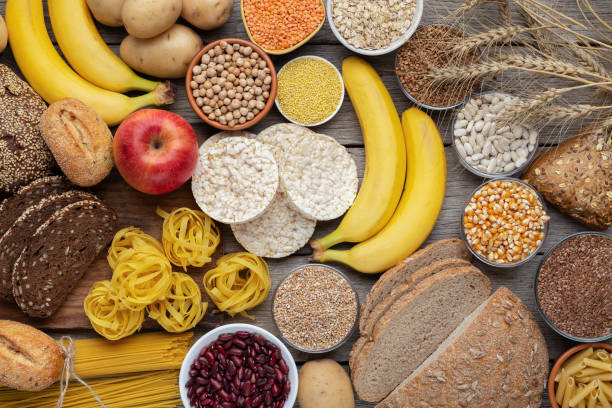
Whole grains like oats, brown rice, bulgur wheat
Whole-grain breads
Legumes (lentils, beans, chickpeas)
Starchy vegetables (potatoes, pumpkin)
In a balanced diet, complex carbohydrates are preferred. Not only do they provide steady energy, but they also contain fiber, which supports digestive health and helps regulate blood glucose levels.
Recommended Carbohydrate Intake to Prevent Insulin Resistance
Scientific evidence supports the idea that reducing the intake of simple carbohydrates, especially added sugars, is crucial in preventing and even reversing insulin resistance. To promote insulin sensitivity and metabolic health, it is recommended that:
Simple sugars should be minimized or avoided whenever possible
Total carbohydrate intake, especially from starches and sugars, should be limited to around 50–70 grams per day for individuals at risk of insulin resistance or prediabetes
Carbohydrates should be consumed alongside fiber, healthy fats, and proteins to slow digestion and moderate glucose absorption
Conclusion
Carbohydrates are essential to a healthy diet, but quality and quantity matter. Replacing processed and simple carbohydrates with complex, fiber-rich sources can significantly improve blood sugar control, reduce inflammation, and enhance insulin sensitivity. Understanding the distinction between simple and complex carbs and adjusting your intake accordingly is a fundamental step toward preventing metabolic disorders in today’s lifestyle.










No comment