


Glycemic Index and Glycemic Load: Essential Concepts for Blood Sugar Management and Insulin Resistance Prevention
In recent years, the role of carbohydrate quality in regulating blood glucose and promoting metabolic health has gained increasing attention. Two scientific and practical tools — the Glycemic Index (GI) and Glycemic Load (GL) — have emerged as essential metrics to help evaluate how carbohydrate-containing foods affect blood sugar levels. Understanding and using these concepts correctly can significantly aid in managing diabetes, prediabetes, and insulin resistance.
What Is the Glycemic Index (GI)?
The Glycemic Index (GI) is a measure that ranks foods based on how quickly 50 grams of their digestible carbohydrates (excluding fiber) raise blood glucose levels compared to pure glucose, which has a GI value of 100. The higher the GI, the faster and higher the spike in blood sugar.
GI categories:
Low GI (≤ 55): Slow absorption, gradual rise in blood sugar (e.g., lentils, apples, oats)
Medium GI (56–69): Moderate impact on blood sugar (e.g., brown rice, whole wheat bread)
High GI (≥ 70): Rapid absorption, sharp spike in blood sugar (e.g., white bread, potatoes, soft drinks)
⚠️ Important Note: The GI is calculated based on pure carbohydrate content, without accounting for fiber, fat, or portion size thus it may not always reflect a food’s real-world impact on blood sugar.

What Is the Glycemic Load (GL)?
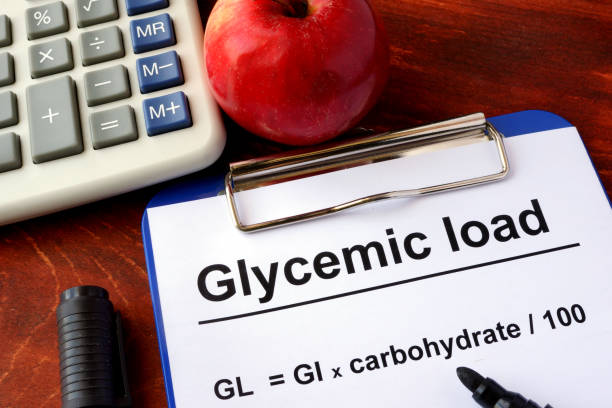
The Glycemic Load (GL) offers a more practical and accurate assessment by considering both the quality (GI) and the quantity of carbohydrates in a standard serving of food. It reflects the actual glycemic impact of the food as eaten.
GL is calculated as:
GL = (GI × grams of available carbohydrate per serving) ÷ 100
GL categories:
Low GL (≤ 10): Minimal impact on blood sugar
Medium GL (11–19): Moderate impact
High GL (≥ 20): Significant impact
Practical Example & Clarification
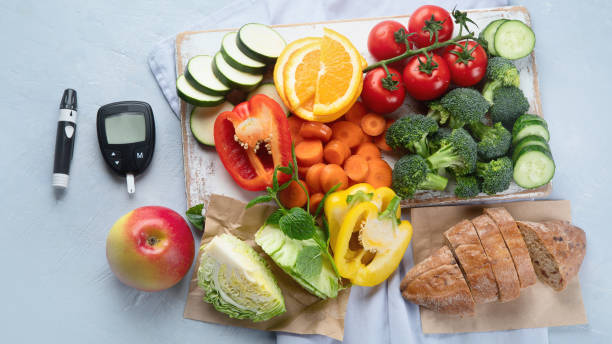
A food might have a high GI (e.g., watermelon with a GI of ~72), but because it contains very little carbohydrate per serving, its GL is low (~4). This means it has a limited real effect on blood sugar levels.
Conversely, a food with a moderate GI could still produce a high GL if consumed in large quantities, significantly affecting blood glucose and insulin levels.
Nutritional Guidelines & Health Implications
To effectively manage blood sugar and reduce the risk of insulin resistance:
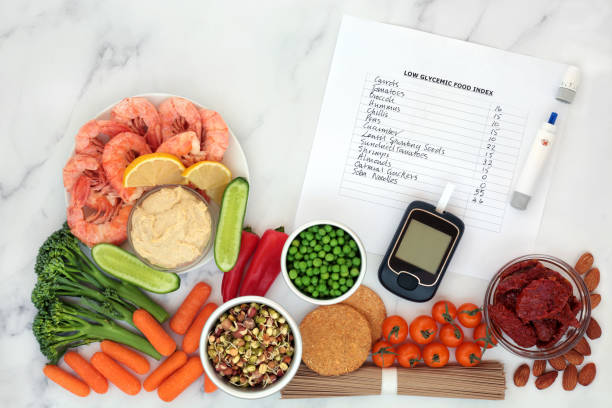
Both GI and GL should be considered when selecting carbohydrate-rich foods.
For insulin sensitivity and metabolic balance, it is recommended to choose foods with:
GI between 55–75 or lower
GL in the range of 10–19 or lower
High-fiber, water-rich, and low-carbohydrate-density foods are generally preferable, as they may have a high GI but a low GL — resulting in slower digestion and a gentler blood sugar response.
The Glycemic Index helps identify how rapidly a food raises blood sugar, while the Glycemic Load considers the actual portion size and fiber content, offering a more realistic gauge of a food’s effect. Together, they provide valuable insight into optimizing carbohydrate intake for better blood sugar control, reduced inflammation, and prevention of insulin resistance.
🔍 Conclusion: Prioritize low-to-moderate GI foods with low GL values in your daily diet — especially if you’re aiming to prevent or manage metabolic disorders such as type 2 diabetes or insulin resistance.
No comment