Cortisol: Functions, Negative Effects, and How to Reduce Its Impact
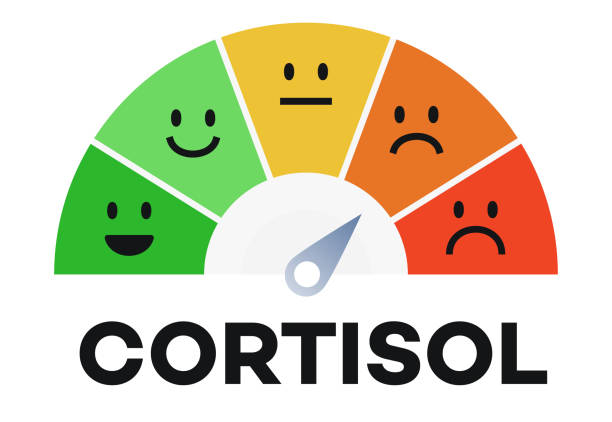
Cortisol, often referred to as the “stress hormone,” is a vital hormone produced by the adrenal glands. It plays a crucial role in regulating metabolism, managing the body’s response to inflammation, and handling both emotional and physical challenges. While cortisol is essential for survival, chronically elevated levels, especially due to prolonged stress, can lead to various negative health outcomes.
Negative Effects of Chronic Cortisol Elevation
When cortisol levels remain high over time, it can disrupt the normal functioning of multiple body systems and contribute to the following issues:
Impaired brain function and mental health disorders such as anxiety and depression
Increased insulin resistance, fat accumulation, chronic inflammation, and activation of harmful genetic pathways
Weakened immune system, leading to higher susceptibility to viral, bacterial, and fungal infections
Hormonal imbalances, particularly in female reproductive hormones
Cortisol operates in close connection with the brain and nervous system, and is highly influenced by lifestyle factors. The following strategies can help regulate cortisol levels and manage stress more effectively:
1. Engage in Regular Physical Activity
Gentle physical activities like walking, low-impact aerobic exercises, and stretching help lower cortisol levels and boost mood without overexerting the body.
2. Prioritize Quality Sleep
Sufficient and consistent sleep is one of the most effective ways to manage stress and maintain hormonal balance, including cortisol regulation.
3. Practice Relaxation Techniques
Engaging in enjoyable hobbies, practicing meditation, yoga, and deep breathing exercises can significantly calm the nervous system and reduce stress levels.
4. Follow a Balanced and Supportive Diet
Nutrition plays a key role in managing cortisol levels:
Reduce Sugar and Simple Carbohydrates: These lead to blood sugar spikes that trigger cortisol release.
Stabilize Blood Sugar Levels: Eat whole foods rich in protein, healthy fats, and fiber. Leafy greens, colorful fruits, and vegetables high in antioxidants are especially beneficial.
Intermittent Fasting: When done appropriately and under professional guidance, it can support cortisol regulation and reduce stress.
Limit Caffeine Intake: Replace coffee with herbal teas like chamomile, lemon balm, or peppermint.
Minimize Alcohol Consumption: Alcohol can increase cortisol production, so reducing intake is recommended.
Several vitamins and minerals support stress resilience and help the nervous system function optimally:
Omega-3 fatty acids (DHA)
Vitamin D
B vitamins
Key minerals: Potassium, Magnesium, Calcium
Antioxidants: Help protect cells from oxidative stress caused by chronic cortisol elevation
Conclusion
While cortisol is essential for the body’s natural stress response, persistent elevation due to chronic stress can have widespread health consequences. By adopting a healthy lifestyle — including proper sleep, regular movement, mindful practices, and balanced nutrition — it is possible to regulate cortisol levels and protect both physical and mental well-being.









[…] Stress: one of the most significant factors, as it directly damages the gut lining through elevated cortisol levels […]
[…] stress and elevated […]