


Immune System: The Body’s Shield
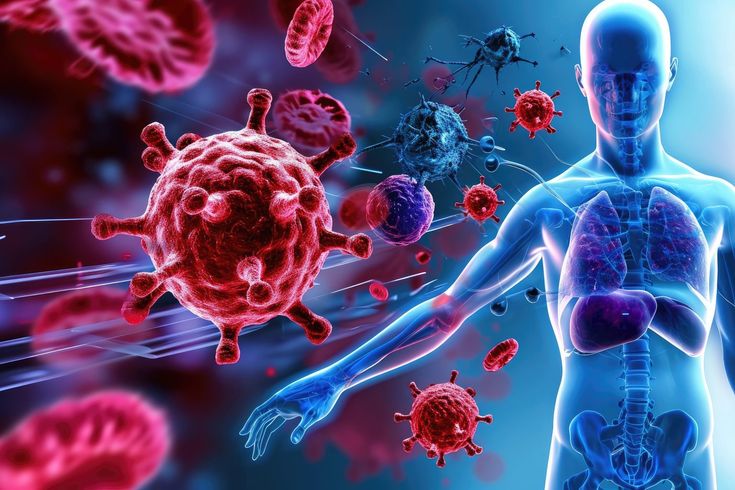
The immune system acts like a protective shield, defending the body against external threats. However, sometimes it makes a mistake and attacks the body’s own cells instead of invaders. This can lead to inflammation, pain, and even damage to vital organs.
Although the exact cause is not fully understood, genetics, environment, and certain infections are known to play a role.
Autoimmune Diseases: When the Body Attacks Itself
Autoimmune diseases occur when the immune system mistakenly identifies healthy tissues as threats and begins attacking them. These conditions can significantly impact an individual’s quality of life.
Examples of autoimmune diseases include:
Psoriasis: Rapid, abnormal growth of skin cells causing red, scaly patches.
Hypothyroidism: Reduced thyroid hormone production leading to fatigue, weight gain, and metabolic issues.
Lupus: A chronic disease that can damage the skin, joints, and kidneys.
Ulcerative Colitis: Chronic inflammation of the colon that causes bloody diarrhea and abdominal pain.
Rheumatoid Arthritis: Joint inflammation and pain that may eventually cause limited mobility.
How to Prevent Autoimmune Flare-Ups
While many autoimmune diseases have no definitive cure, lifestyle and dietary adjustments can help reduce their severity.
Key strategies include:
Avoiding food triggers such as gluten, dairy, and refined sugars
Adding omega-3 fatty acids and fiber to reduce inflammation
Supporting gut health with fermented foods and probiotics
Eating more colorful fruits and vegetables rich in antioxidants

Important Notes on Managing Autoimmune Conditions
Stopping medications without medical supervision can lead to serious consequences and is never recommended.
Environmental factors such as pollution and allergens can worsen symptoms.
Excessive hygiene may disrupt the natural balance of the immune system.
Hidden Roots of Autoimmune Disorders
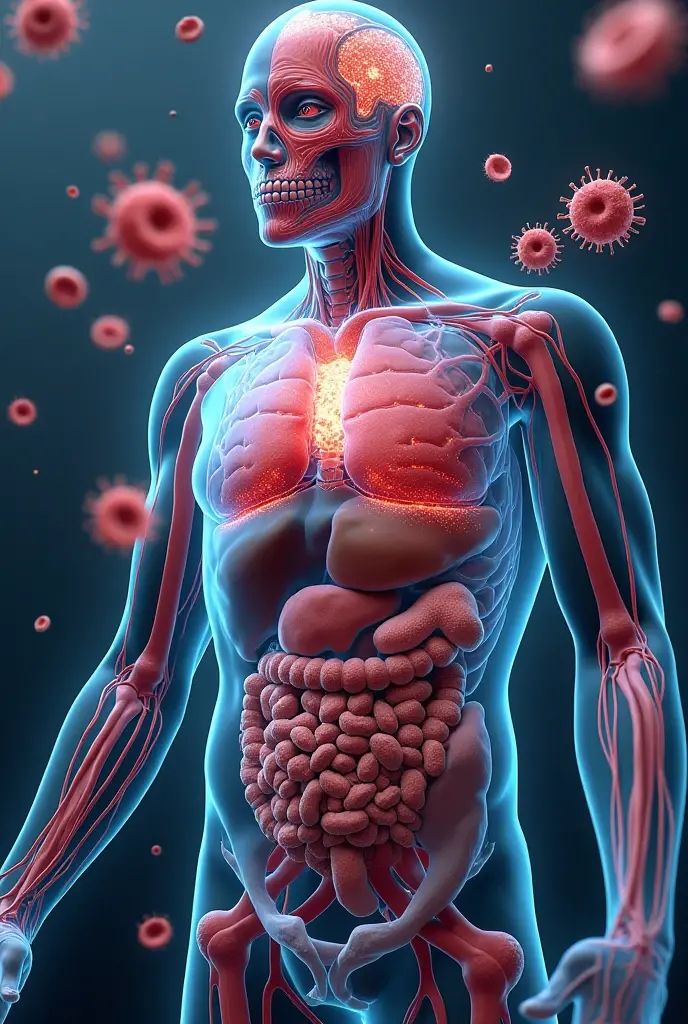
Autoimmune diseases are not only caused by genetics. Lifestyle and environmental factors play a significant role in triggering immune dysfunction.
Major contributing factors include:
Long-term consumption of sugar, gluten, and dairy
Exposure to polluted air and unsafe water
Chronic and prolonged stress
Conclusion
The human body reflects the way we treat it. Although autoimmune diseases can develop for multiple reasons, conscious choices in diet, stress management, and a healthier environment can help reduce both the risk and severity of these conditions.
[…] Autoimmune diseases […]