


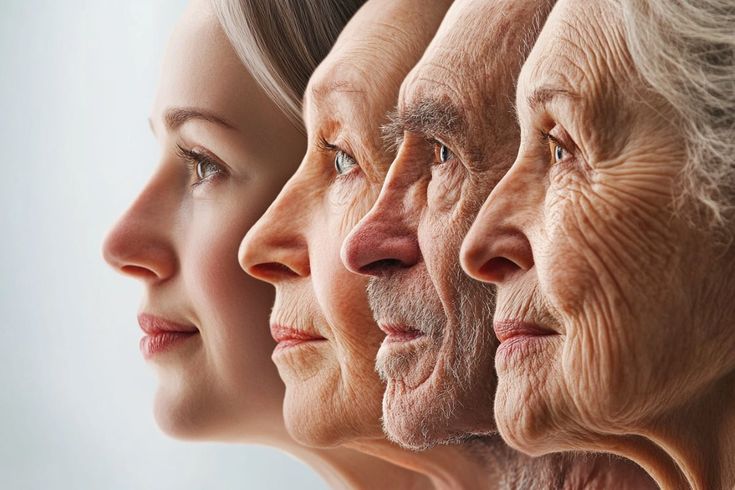
The Secrets of Longevity and Healthy Aging
Have you ever noticed these points?
Lifespan and quality of life vary from person to person; some age more quickly and experience more health issues.
In certain regions of the world (as shown in the Blue Zones documentary), average life expectancy and overall health in old age are significantly higher than in other parts of the world.
Health problems such as heart disease, hypertension, diabetes, obesity, Alzheimer’s, osteoporosis, and infections are more common among older adults, and most of these are directly linked to chronic inflammation.
This raises important questions:
What factors determine the pace and process of aging?
Can human lifestyle influence this process?
If so, how and to what extent?
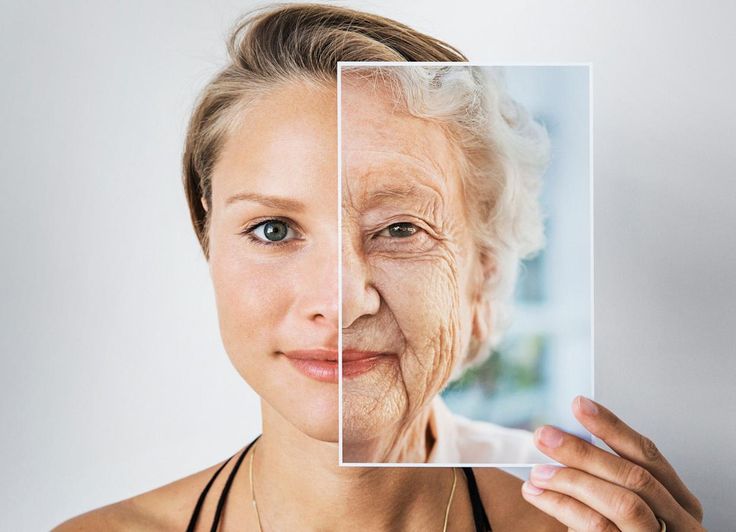
Types of Age: Chronological vs. Biological
Aging can be classified into two categories:
Chronological Age: The actual number of years a person has lived.
Biological Age: The true condition of the body, which can vary depending on health and lifestyle factors.
Key Factors Affecting Biological Age
Genetics: At the ends of chromosomes are structures called telomeres. With each cell division, telomeres shorten. The length of telomeres is considered a marker of an individual’s lifespan.
Environmental and Lifestyle Factors: Nutrition, physical activity, stress levels, sleep quality, and social connections all significantly influence the rate of aging.

Main Mechanisms of Aging
The aging process largely results from metabolic disturbances and chronic inflammation, which develop through two primary mechanisms:
Oxidative Damage: Free radicals from polluted air, contaminated water, processed foods, and sun exposure damage cells, especially mitochondria (the energy centers of cells).
Excess Blood Sugar and Caloric Intake: These lead to insulin resistance, chronic inflammation, obesity, diabetes, and cardiovascular diseases.
Glycation: Excess glucose binds to proteins and other molecules, forming complexes that deposit in blood vessels and impair circulation. This contributes to hypertension, strokes, heart disease, and Alzheimer’s. A clinical marker of this process is HbA1C.
Cellular Signs of Aging
Accumulation of metabolic waste inside cells
Impaired autophagy (the natural self-cleansing and recycling process of cells)
Disrupted apoptosis (programmed cell death), leading to the persistence of damaged cells
Together, these changes accelerate the aging process and increase the risk of age-related diseases.
Strategies for Longevity and Healthy Aging
1. Healthy Nutrition
Intermittent fasting and calorie restriction
Reduced intake of sugar and refined carbohydrates
Healthy fats (e.g., omega-3s)
Adequate protein consumption
High-fiber foods, vitamins, and minerals
Antioxidant-rich foods
Adequate hydration
Avoiding smoking and alcohol


2. Regular Exercise
Exercise enhances cellular metabolism, reduces chronic inflammation, increases muscle strength, improves balance, and protects against falls and fractures. It also supports brain health by promoting neural connections.
Brisk walking (5–6 km daily)
Cycling or household activities
Strength training for muscle building
Goal: At least 150 minutes of exercise per week (about 30 minutes per day)
3. Quality Sleep
Good sleep allows cells to repair and detoxify, enhances autophagy, lowers insulin resistance, and supports memory and cognitive health.
Minimum: 8 hours of sleep per day, plus a short nap if possible
Tips: Maintain consistent sleep hours, eat a light early dinner, create a dark and cool sleeping environment, and avoid caffeine and alcohol


4. Stress Management 😌
Chronic stress accelerates aging by increasing cortisol, shortening telomeres, and causing oxidative damage.
Ways to reduce stress include:
Regular exercise
Meditation and mindfulness
Deep breathing
A structured daily routine
Creative or artistic activities
Spending time in nature
Healthy nutrition and self-care
Positive and supportive social interactions
5. Joyful Living
Maintaining optimism, meaningful relationships, and engaging in enjoyable activities play a vital role in improving life quality and extending longevity.

No comment