Understanding Cancer and Its Prevention

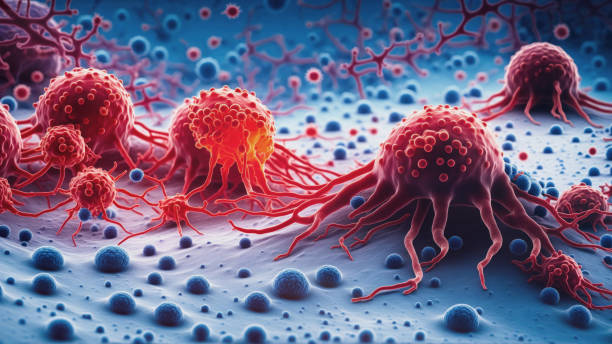
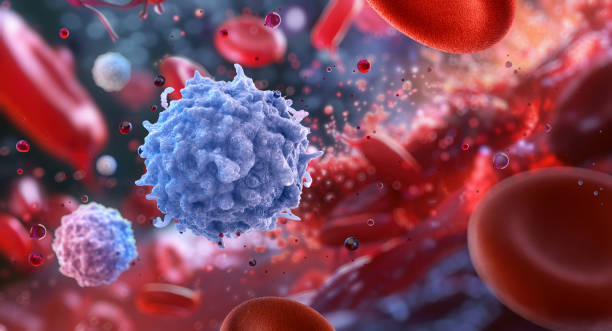
In this section, we aim to explore different types of cancer, their causes, prevention strategies, and treatment options. Given the rising prevalence of cancer and the decreasing average age of onset, awareness and prevention have become more crucial than ever.

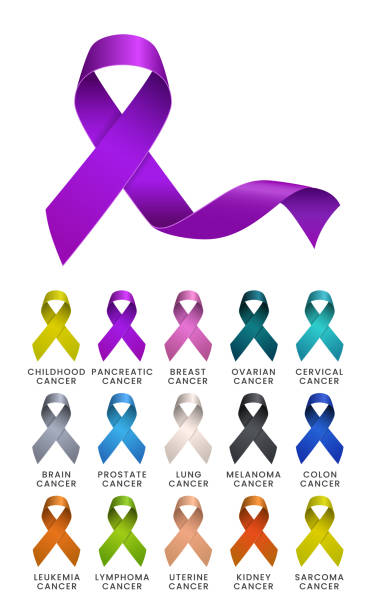
Most Common Cancers

We will cover the following types of cancer:

  • Lung cancer

  • Breast cancer

  • Colorectal cancer

  • Stomach cancer

  • Prostate cancer

  • Pancreatic cancer

  • Cervical cancer

Factors Contributing to Cancer

Cancer develops under the influence of environmental, viral, and lifestyle factors.
Environmental and lifestyle factors include:

  • Unhealthy diet

  • Physical inactivity

  • Exposure to air pollution

  • Consumption of foods containing toxins

Viral factors include:

  • Human Papillomavirus (HPV)

  • Hepatitis B and C viruses

  • HIV

  • Epstein–Barr virus (EBV)

Fortunately, many of these risk factors are preventable through lifestyle changes, vaccination, and healthy nutrition.

How Cancer Cells Obtain Energy

Cancer cells rely on glucose and glutamine for energy due to mitochondrial damage.
Scientific approaches for prevention and control include:

  • Ketogenic diet

  • Anti-glutamine drugs

  • Maintaining mitochondrial health through proper nutrition and a healthy lifestyle

Healthy Lifestyle for Prevention

  • Avoid processed foods and simple sugars

  • Consume high-quality protein, fiber, and fermented foods

  • Include leafy greens, colorful fruits, and natural antioxidants

  • Engage in regular physical activity and maintain adequate sleep

Intermittent Fasting and Cancer Prevention

Intermittent fasting may help prevent cancer by reducing inflammation, regulating metabolism, and strengthening the immune system.
Key benefits include:

  • Blood sugar balance

  • Reduced inflammation

  • Enhanced immunity

  • Improved metabolism

Fasting should be gradual and supervised by a healthcare professional.

Preventing Common Cancers

Up to 80% of common cancers, such as lung, skin, colorectal, breast, and ovarian cancers, are preventable:

  • Healthy and balanced diet

  • Avoiding tobacco and alcohol

  • Regular screenings and check-ups

  • Physical activity and stress management

Even if cancer occurs, early diagnosis significantly improves treatment outcomes.

Overview of Major Cancers

Breast Cancer

  • Most common cancer among women

  • Risk increases with age, family history, and BRCA1/2 mutations

  • Symptoms: lumps in the breast or underarm, unusual discharge, changes in appearance

  • Screening methods: mammography, medical examination, self-examination, ultrasound, MRI

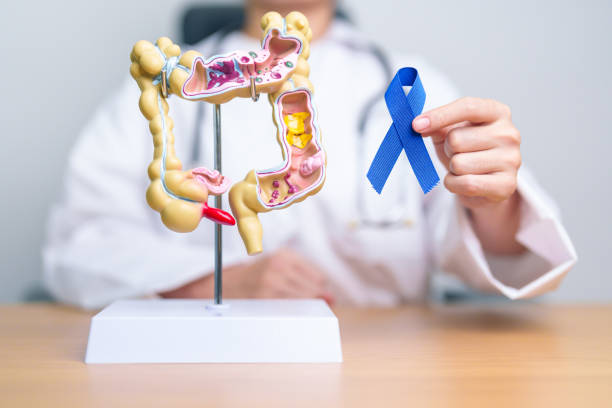
Colorectal Cancer

  • Risk factors: age >50, family history, low-fiber diet, obesity, smoking, alcohol

  • Prevention: start screening at 45, high-fiber diet, regular exercise, maintain healthy weight

Prostate Cancer

  • Common in men over 50

  • Warning signs: urinary changes, blood in urine, incontinence

  • Diagnosis: PSA test, physical examination, ultrasound, MRI, biopsy

Stomach Cancer

  • More common in men and high-risk regions

  • Risk factors: H. pylori infection, unhealthy diet, smoking, family history

  • Symptoms: persistent stomach pain, unexplained weight loss, nausea, black stools

  • Screening: endoscopy, barium swallow, biopsy

Liver Cancer

  • Sixth most common cancer, third leading cause of cancer death

  • Risk factors: chronic hepatitis B/C, cirrhosis, excessive alcohol consumption

  • Warning signs: weight loss, loss of appetite, abdominal pain, jaundice

  • Screening: abdominal ultrasound, AFP test, CT/MRI

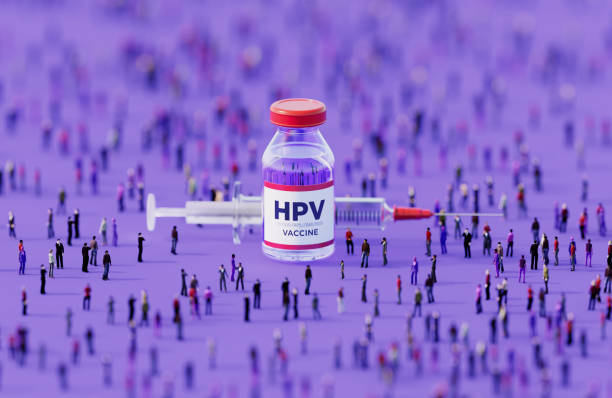
HPV Vaccine

  • Effective in preventing cervical cancer

  • Recommended for adolescents before sexual activity

  • Administered in three doses; not recommended during pregnancy

Summary

  • Cancer is not entirely preventable, but a healthy lifestyle can significantly reduce the risk

  • Major risk factors: obesity, diabetes, chronic inflammation, unhealthy diet

  • Awareness, early detection, and a healthy lifestyle are the three pillars of cancer prevention

No comment

Leave a Reply

Your email address will not be published. Required fields are marked *