


Obesity and Weight Loss
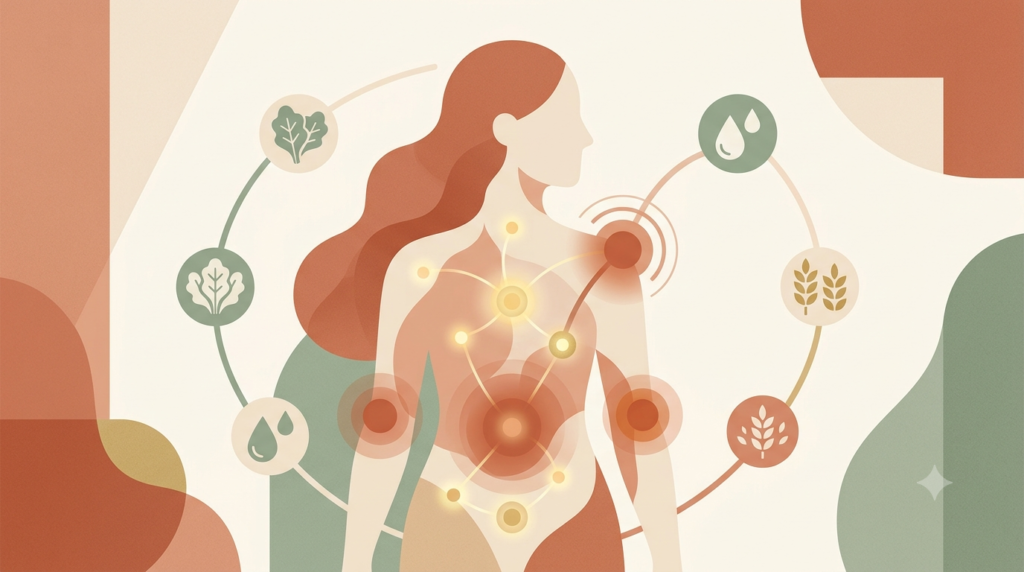
Obesity is one of the most common health issues in the world today; arguably the most common. Its prevalence has increased significantly in recent decades due to changes in lifestyle, particularly dietary habits; the high consumption of processed, sugar-laden foods has played a major role in this trend.
Why does obesity matter beyond its high prevalence? Because it is associated with a wide range of diseases:
- It has a direct link with type 2 diabetes.
- It is associated with cardiovascular disease, including heart attacks and high blood pressure.
- Its connection with the prevalence of many cancers has been established, multiplying the risk of cancers such as breast, ovarian, and endometrial cancer.
- It is associated with most mental health conditions, including depression and anxiety.
- It is linked to Alzheimer’s disease, which is sometimes referred to as “type 3 diabetes.”
- It is often aligned with digestive issues and gut disorders.
- It has a direct connection with infertility and early menopause, as well as hormonal imbalances in both women and men.
- It is also associated with autoimmune diseases and allergy-related conditions.
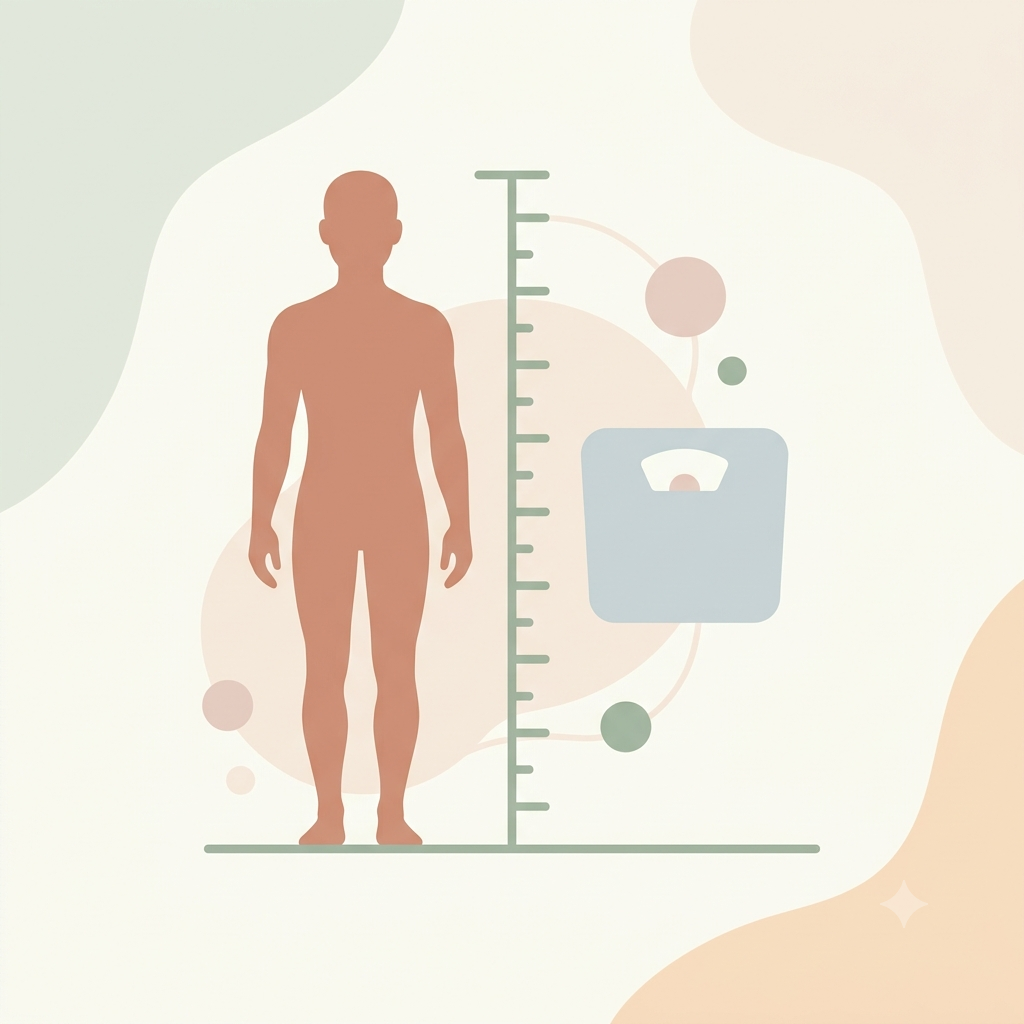
The Scientific Definition of Obesity
The first measure used to identify obesity is Body Mass Index (BMI). To calculate it, body weight in kilograms is divided by the square of height in meters. The resulting number is interpreted as follows:
- Below 20: underweight
- Between 20 and 24.9: normal, healthy range
- Between 25 and 30: overweight
- Above 30: obesity
Waist Circumference: An Important Marker of Inflammation
Another measure that matters as much as BMI is waist circumference; this is because fat around the waist is a marker of inflammation. Fat cells in visceral tissue secrete inflammatory factors such as interleukins and TNF-alpha, which are among the primary contributors to inflammation in the body.
Based on this, a waist circumference greater than 94 centimeters in men and greater than 80 centimeters in women should be considered a warning sign and an important indicator of obesity.
Why Do We Gain Weight?
The Role of Calories and Food Quality
It was previously believed that obesity resulted solely from an increase in calorie intake; that is, when the calories consumed exceed the calories burned through normal metabolism and daily activity. What has since been established is that calories alone are not the whole story; the type of food also plays a decisive role.
For example, comparing 100 calories from broccoli with 100 calories from potato chips, the calories from broccoli are certainly not as fattening as those from chips, because processed food disrupts the entire metabolism. Therefore, both the amount of calories and the type of food matter.

Factors Contributing to Obesity
Some factors relate to genetics and early childhood nutrition, since the number of fat cells is largely determined during that period; this genetic groundwork continues to be shaped from childhood up to around the age of twenty-five. However, this does not mean obesity is an inevitable outcome.
Many other factors are entirely modifiable and relate to lifestyle, including:
- The type, timing, and manner of eating
- The level of physical activity
- Sleep quality (good sleep is essential for healthy metabolism)
- Stress levels
- Hormonal issues
- The use of certain medications, which can predispose individuals to obesity
The Body's Mechanisms in Developing Obesity
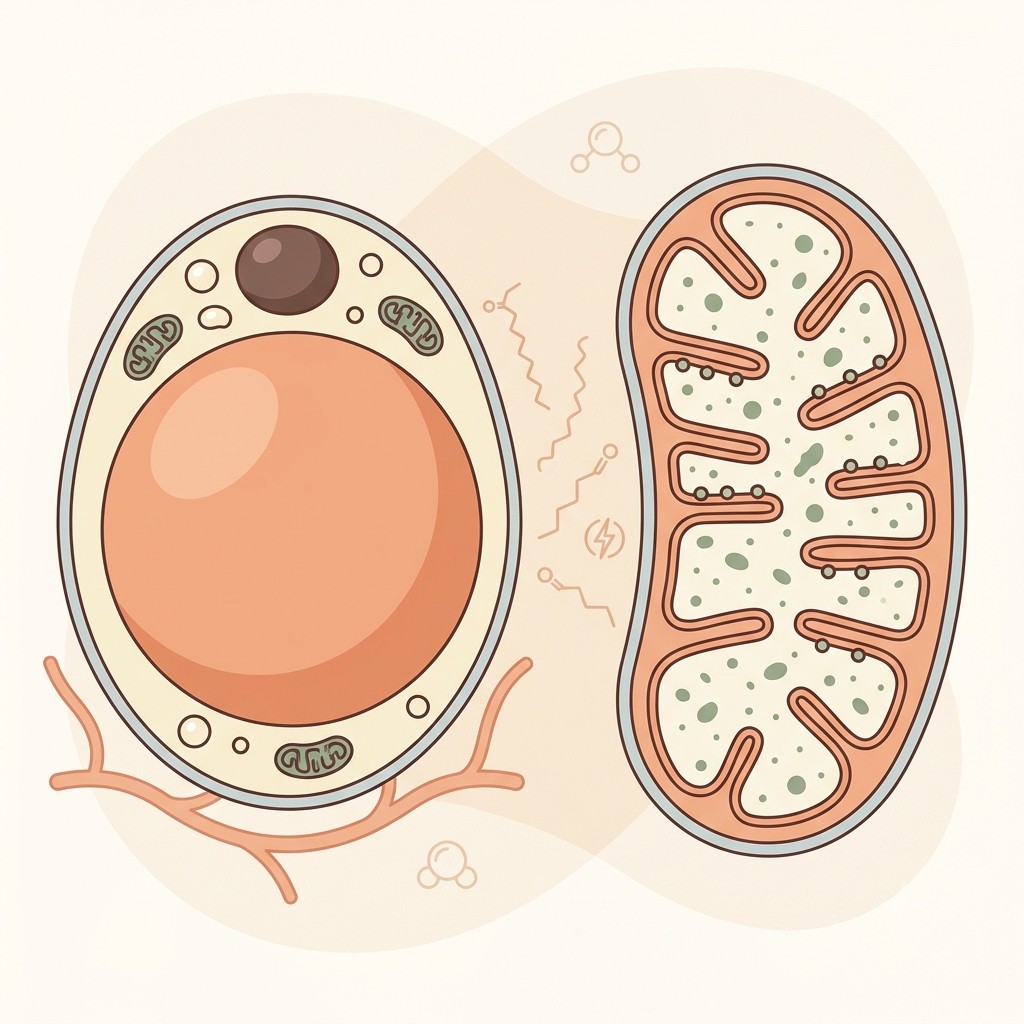
Mitochondrial Dysfunction
Obesity is essentially a metabolic disorder; one that affects approximately 93% of people today due to the poor conditions of modern life. When we eat too much or eat poorly, the mitochondrial membrane, the cellular organelle responsible for energy production and metabolism, becomes damaged. As a result, energy exchange and cellular respiration no longer function properly. The main contributors to this damage are processed foods, poor-quality sugar and starch, and an unhealthy lifestyle.
Insulin Resistance
When we consume sugar, it converts to fat due to increasing insulin resistance. This typically occurs with high consumption of sugar or processed foods; blood sugar rises, insulin rises, and elevated insulin leads to fat storage.
Initially, the body responds well to insulin, but as sugar and processed food intake gradually increases, cells stop responding adequately to rising insulin levels. For this reason, the most important goal is to prevent sudden spikes in insulin.
Gut Microbiome and Inflammation
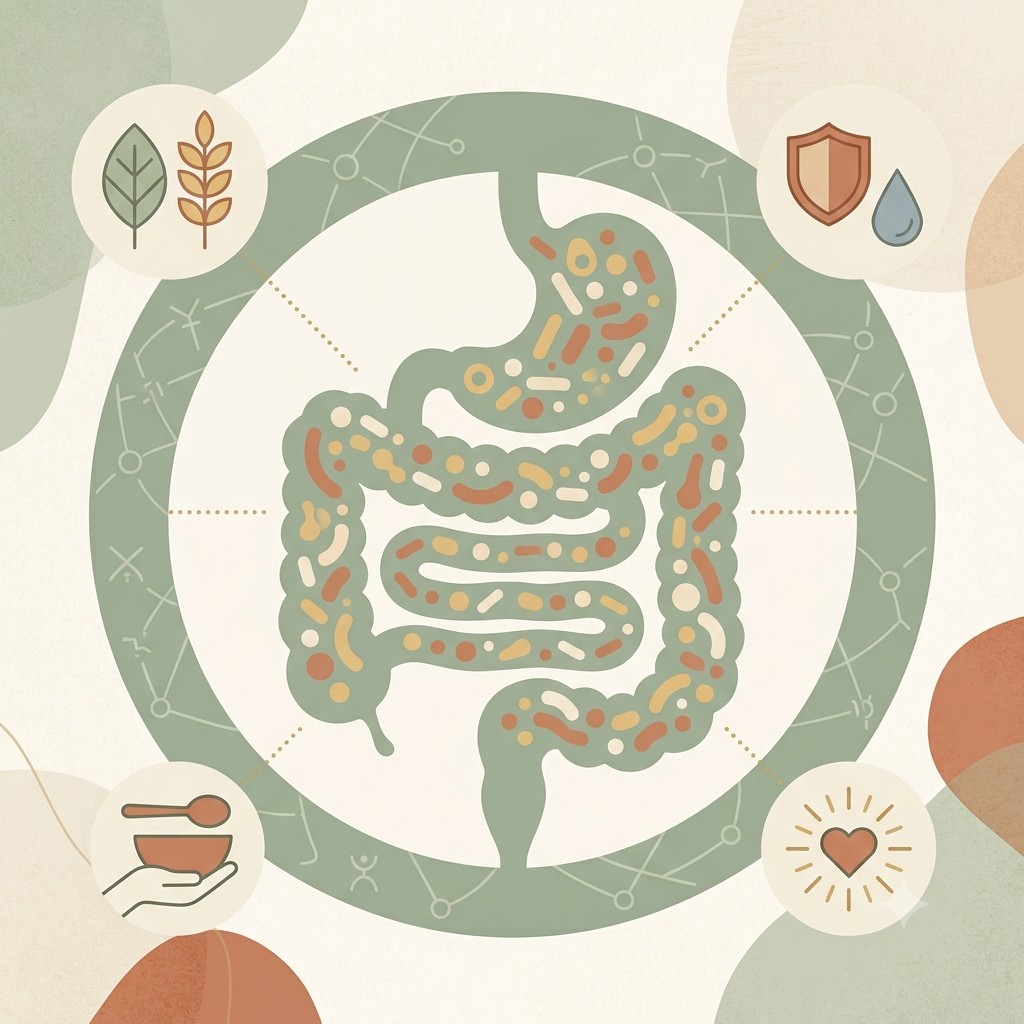
As these unfavorable dietary conditions enter the body, the balance between good and bad gut bacteria is disrupted; good bacteria play a vital role in metabolism, and the loss of this balance can lead to obesity and other disorders. Additionally, the gut lining, its fibrous protective layer, becomes damaged, allowing many of the hormones that promote obesity and inflammation to enter the bloodstream.
Disruption of Leptin and Ghrelin
Leptin and ghrelin are hormones released during hunger and satiety. Leptin signals fullness to the body; however, as fat cells increase, leptin receptors in these cells, much like insulin receptors, become resistant, and the fullness signal is no longer properly transmitted. Ghrelin, secreted in the gut, undergoes the same disruption, resulting in persistent cravings and hunger. Increased calorie intake and consumption of sugary, processed foods disrupt the regulation of these hormones, contributing to metabolic dysfunction and fat accumulation.
Poor Eating Habits
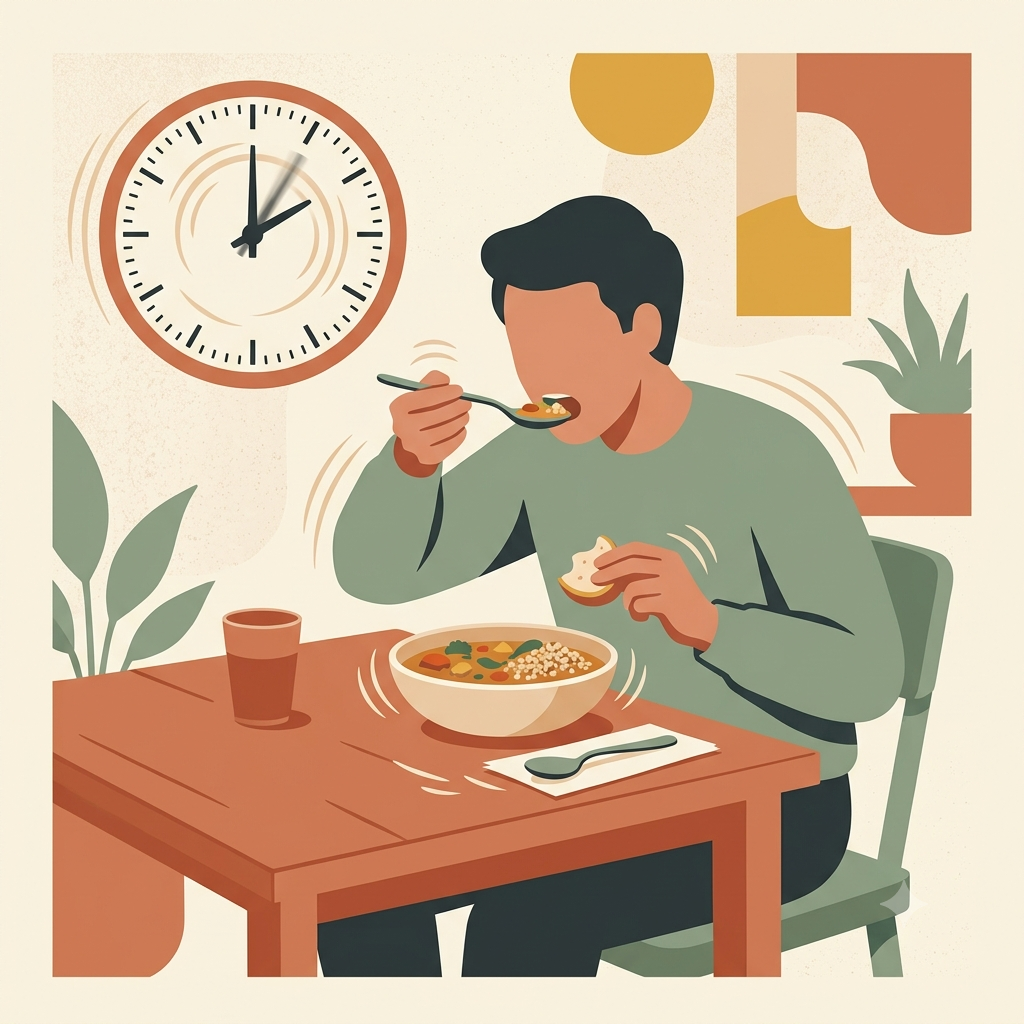
Eating too quickly and not chewing food thoroughly can reduce its metabolic efficiency by up to fourfold. Snacking at inappropriate times, especially in children who consume processed foods, hinders proper metabolism; this is because during periods of hunger, the body shifts from burning sugar to burning fat, and this fat-burning state is when metabolism reaches equilibrium. Enjoying food and eating with genuine appetite supports better digestion, whereas eating merely out of obligation tends to lead to overeating.
Strategies for Weight Loss and Balance
Choosing the Right Foods
Losing one pound requires burning approximately 3,500 calories. Exercise is highly beneficial because it builds muscle, and muscle itself functions as a highly active metabolic organ that supports fat burning. However, exercise alone is not enough; diet and eating habits play a decisive role.
When choosing food, consider the following:
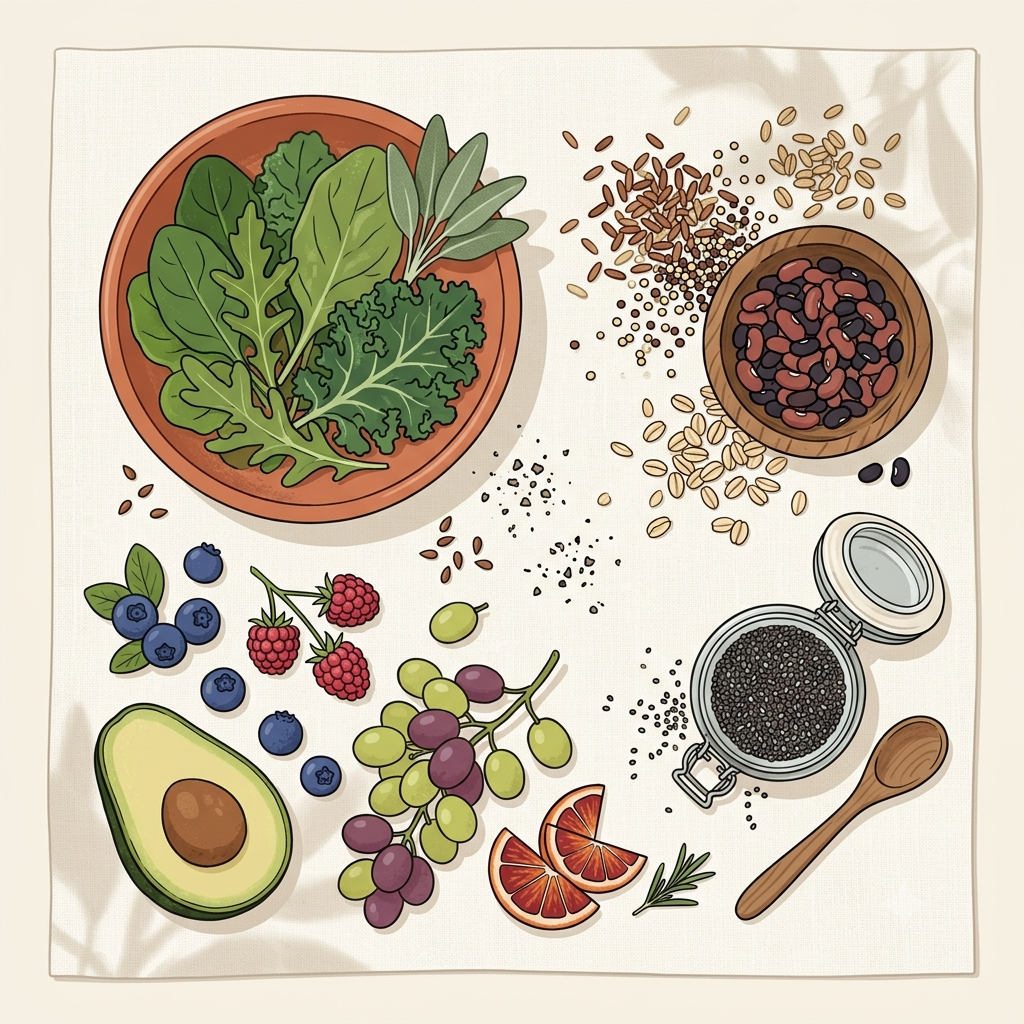
- Prefer foods with minimal processing.
- Read ingredient labels; ideally, a food item should contain no more than two or three ingredients.
Carbohydrates
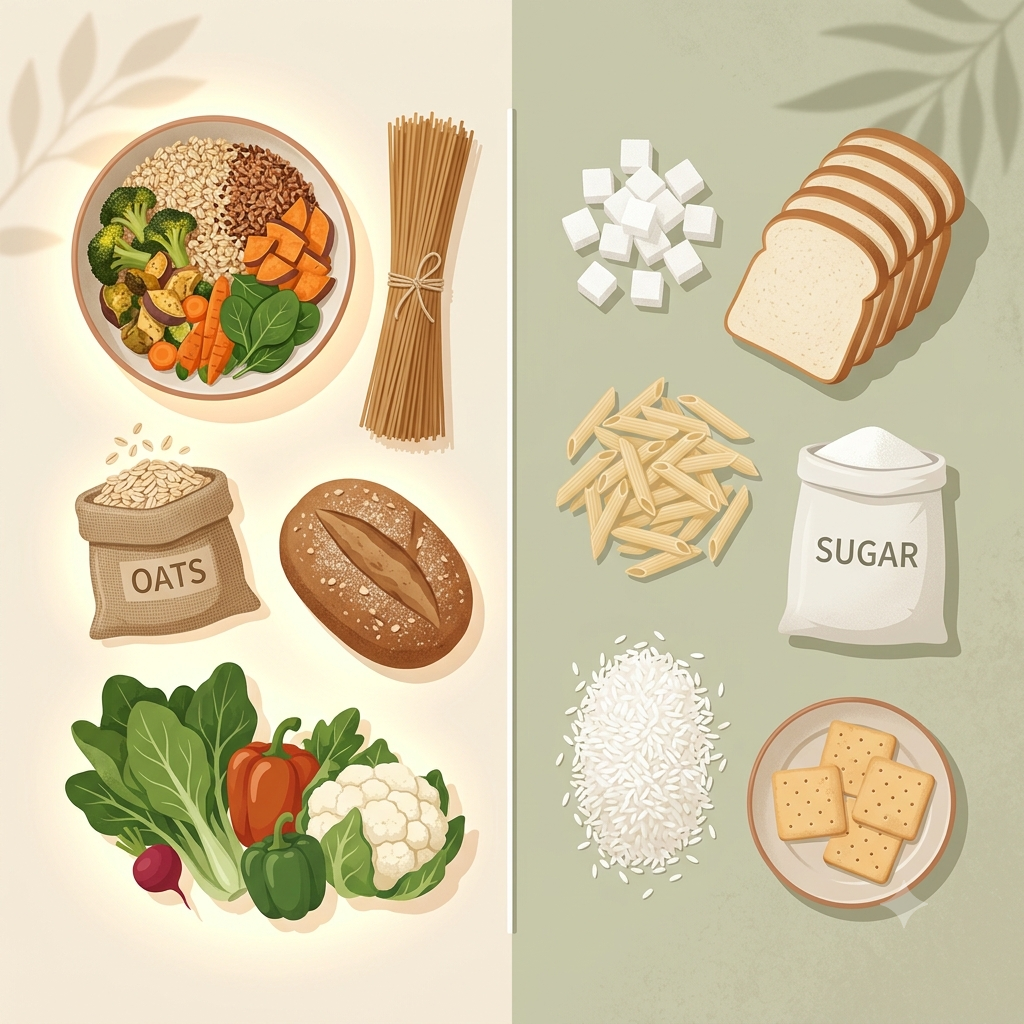
Sugar and simple carbohydrates, those lacking fiber, should be minimized. Consuming less than 50 to 60 grams of simple carbohydrates per day helps shift the body toward fat burning. The goal is not a strict diet but a lifestyle in which healthy carbohydrates are consumed in modest amounts.
Protein
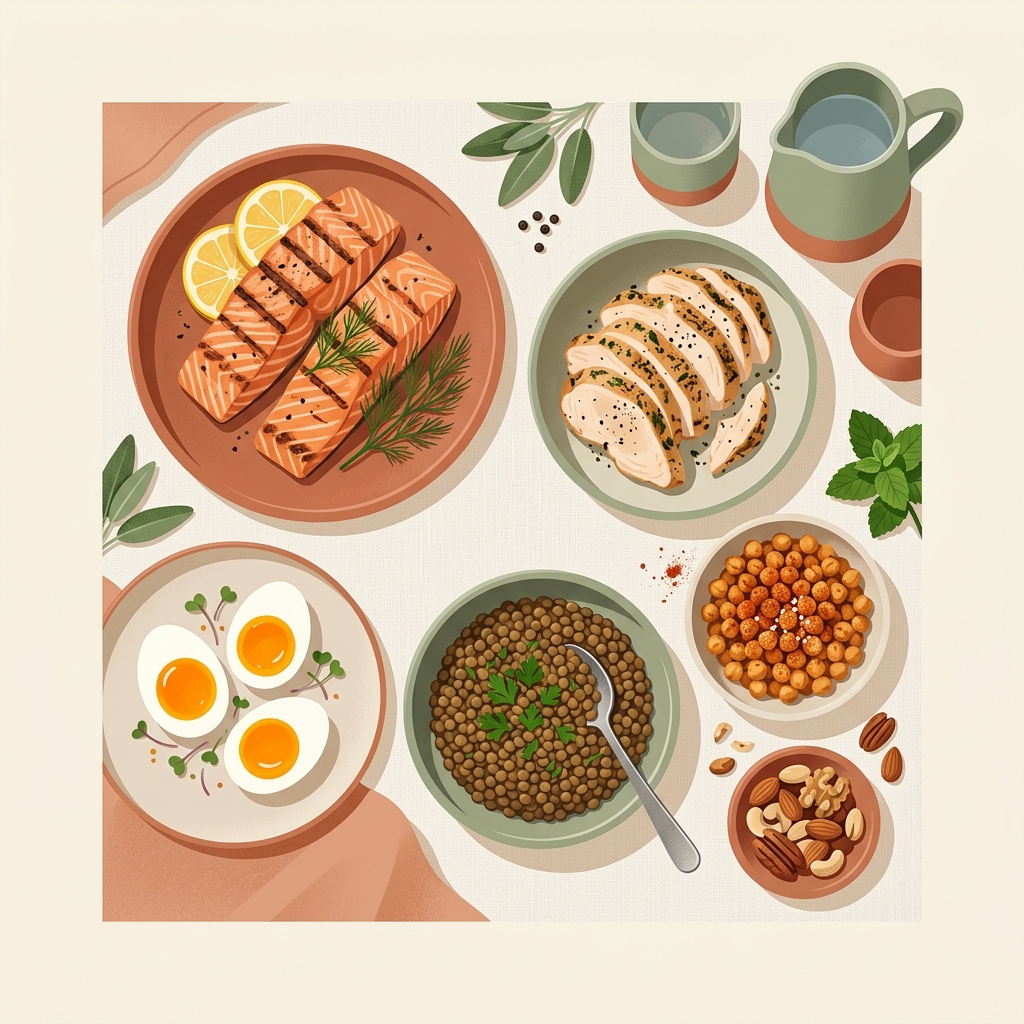
Protein sources can be animal-based, such as meat, poultry, and fish, or plant-based, such as legumes, certain vegetables, and nuts. Plant-based protein is generally absorbed less efficiently than animal protein; therefore, those following a vegetarian diet should pay close attention to getting adequate protein.
Fiber
Adequate fiber intake supports the growth of beneficial gut bacteria, helps maintain the integrity of the gut lining, and prevents constipation. The body needs roughly 30 to 40 grams of fiber daily. Fiber also promotes satiety and helps prevent ongoing hunger.
Healthy Fats
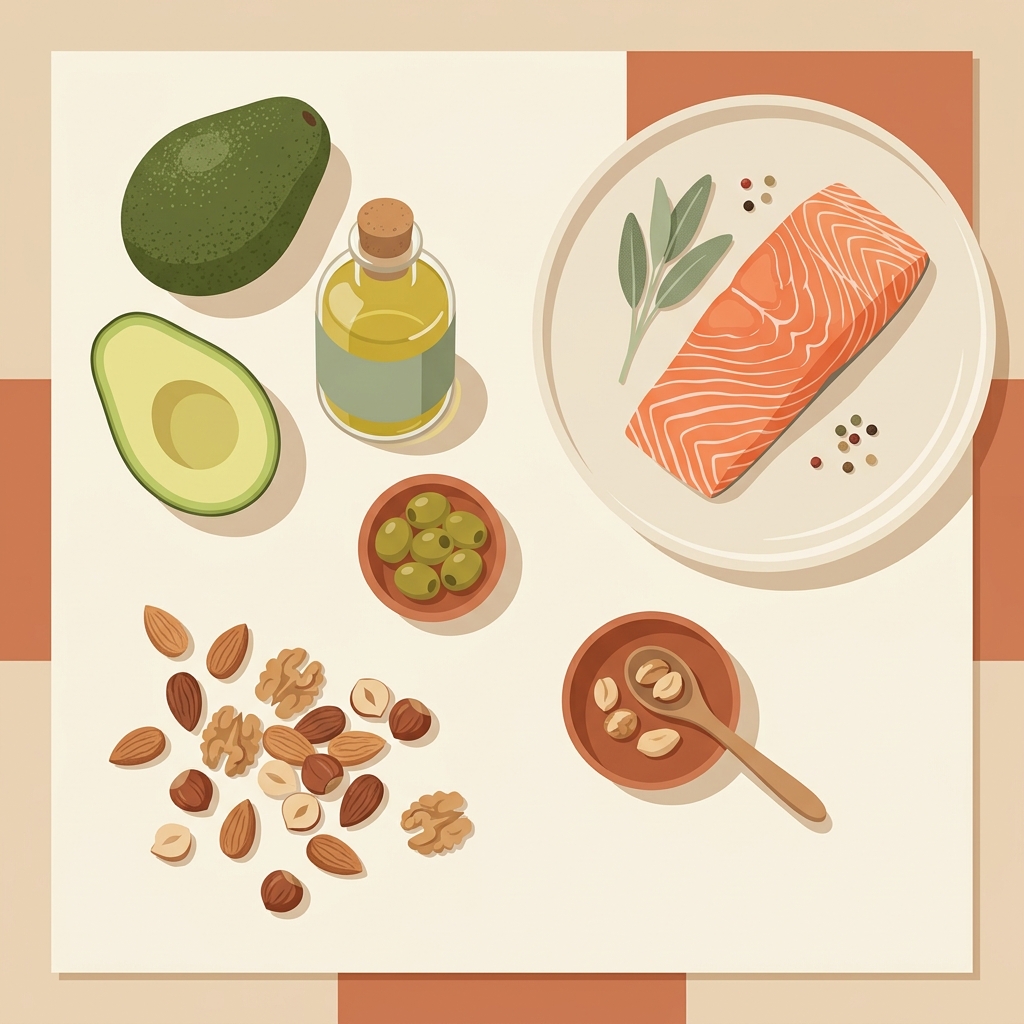
About 20 to 30 grams of healthy fat per day, roughly two tablespoons, is recommended. Good sources include quality animal fat, coconut oil, avocado oil, and olive oil; seed oils are best avoided.
Intermittent Fasting and Meal Timing
Drinking plenty of water and avoiding prolonged unhealthy fasting patterns are important. With intermittent fasting, it is recommended to gradually progress from a 12-hour fasting window to 17 or 18 hours within a 24-hour period; this should be done gradually and without pressure to achieve the desired effect. After 17 to 18 hours of fasting, fat burning gradually begins, which is particularly beneficial for individuals with a larger waist circumference or higher body weight.
Key points regarding meal timing:
- Meals should ideally not be eaten close to bedtime, since hormones such as growth hormone, melatonin, and insulin rise during sleep, and eating during this window undermines the opportunity for fat burning.
- If consuming something sweet, it is best to eat it after fiber, protein, or fat, and never on an empty stomach; this order reduces the insulin response.
- Drinking plenty of water is essential for metabolism and should never be overlooked.

Beneficial Supplements
Several supplements can support this process:
- Vitamin D: supports healthy metabolism and hormone production; a daily dose of around 1,000 units, ideally taken in smaller, more frequent doses, is recommended.
- Magnesium: up to 250 mg daily is needed.
- Omega-3: important for hormone production and brain structure.
- Probiotics: support gut health; natural sources include pickles, fermented vegetables, yogurt, and kefir.
- Antioxidants: found in many foods as polyphenols, particularly in colorful fruits and vegetables, and can also be taken as supplements when needed.
Stress and Obesity
High stress levels lead to fat accumulation; this is because stress triggers the release of cortisol, a hormone that itself inhibits fat burning and promotes fat storage. Cortisol also increases gut permeability and can be associated with conditions such as irritable bowel syndrome (IBS), skin problems, autoimmune diseases, and chronic inflammation; these factors together form a vicious cycle.
Ways to reduce stress include:
- Yoga
- Mindfulness practices and meditation
- Reading
- Artistic activities
- Social activities and enjoyable hobbies
Exercise for Weight Loss
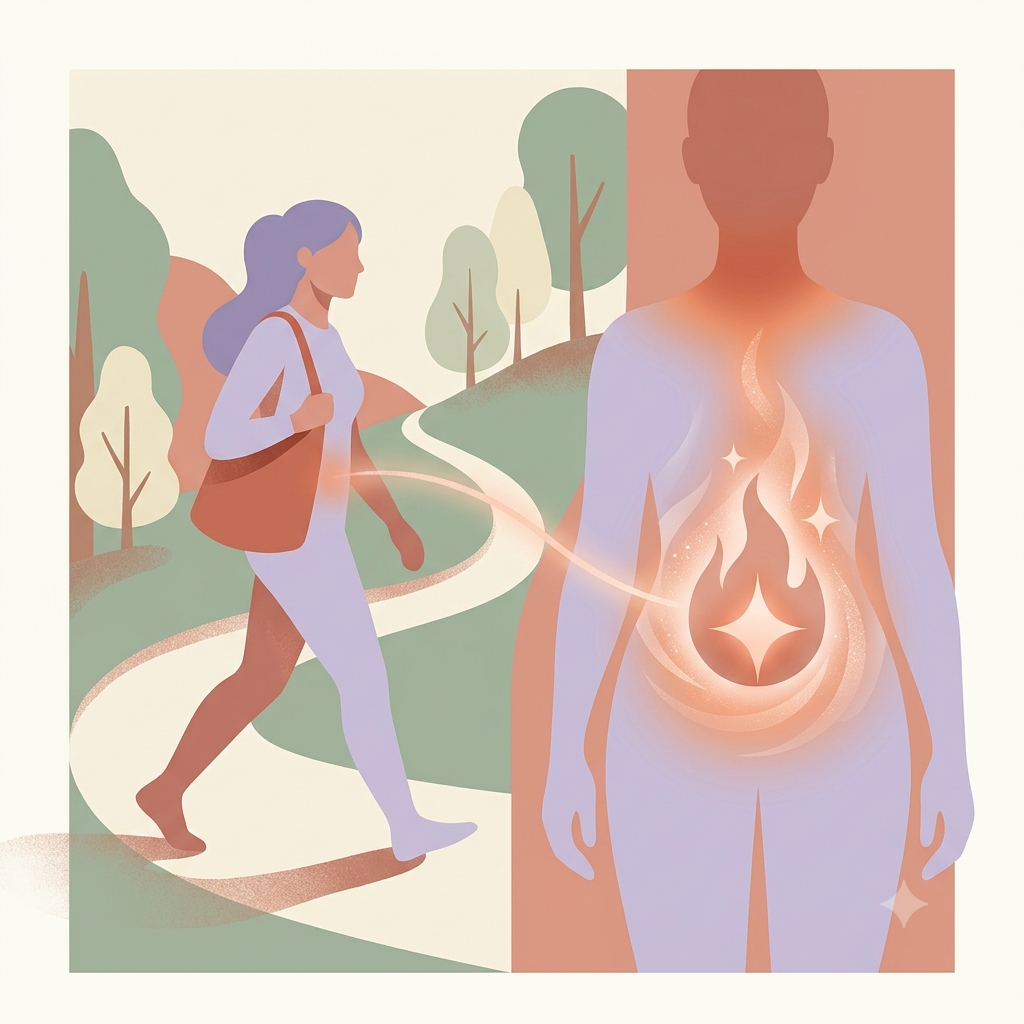
The type of exercise recommended for weight loss is not intense exercise; walking plays the primary role. Daily walking of at least thirty minutes is recommended. When possible, raising the heart rate for one to two minutes at intervals, up to around 120 beats per minute, without excessive strain, helps activate metabolism.
The recommended amount of weekly activity is around 150 minutes; more is better, up to about an hour of daily walking. In addition to supporting fat burning and activating metabolism, exercise boosts mood through endorphin release, especially when done outdoors.
Squats (sitting and standing) are also beneficial due to their effect on blood flow to the brain and the rest of the body; performing three sets of twenty squats daily supports the body’s metabolism. Light weight training at home can also be added to a routine. These exercises can be adapted for any age and physical condition.
Conclusion
Obesity is not merely a matter of appearance; it reflects a deeper metabolic disorder and chronic inflammation in the body, associated with a wide range of diseases. Understanding its causes and mechanisms, including the role of food quality, insulin resistance, gut microbiome health, and hunger and satiety hormones, is the foundational step toward restoring balance to the body. Paying simultaneous attention to healthy nutrition, adequate sleep, stress management, and regular physical activity offers a sustainable and realistic path toward a healthy weight.
[…] tissues. Ultra-processed foods are directly associated with serious health conditions such as obesity, type 2 diabetes, and cardiovascular […]