


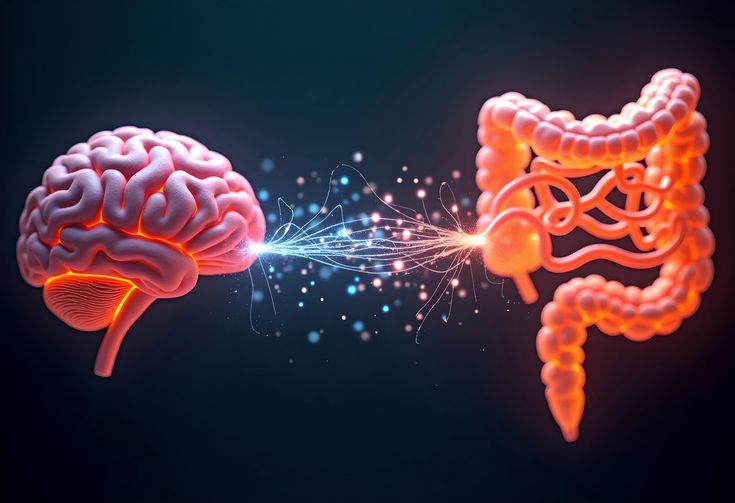
Brain–Gut Connection:
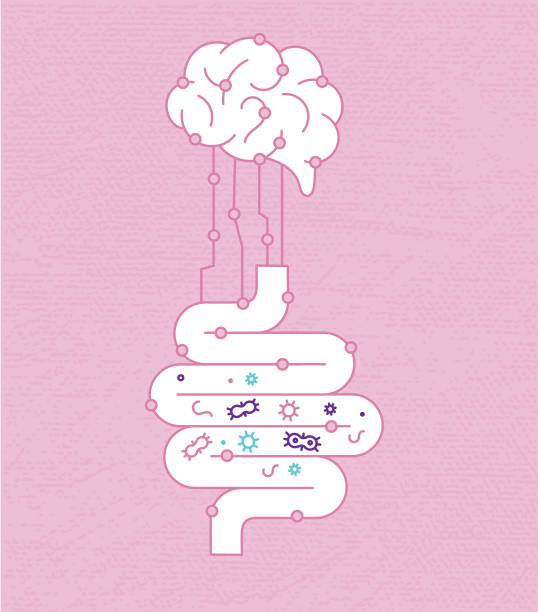
The brain and gut communicate through multiple pathways, and disorders in one system can affect the other. This interaction, known as the gut–brain axis, plays a crucial role in mental function, metabolism, and overall health.
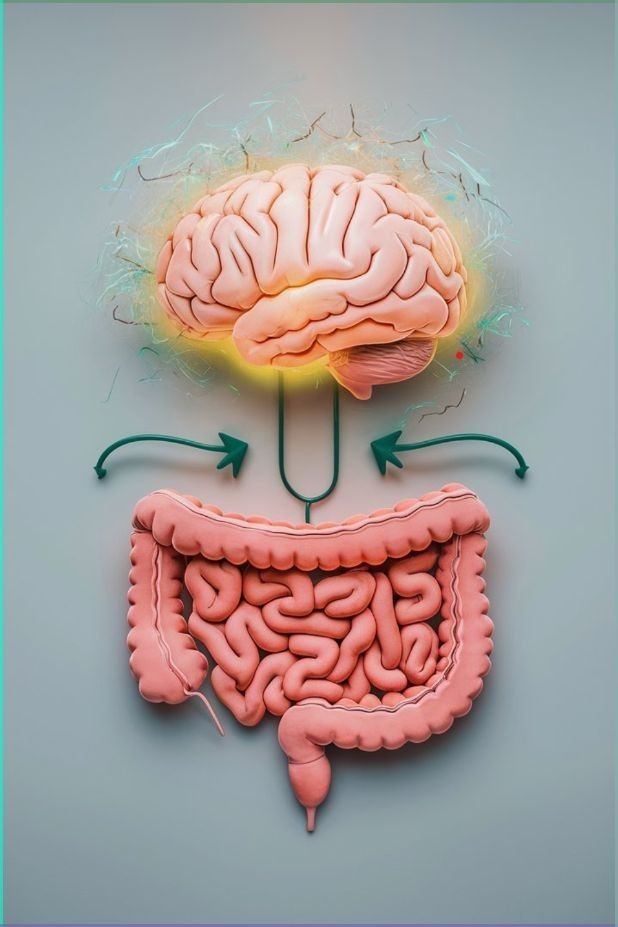
Pathways Linking the Brain and Gut
Vagus Nerve: Acts as a major communication highway, transmitting signals between the gut and the brain.
Enteric Nervous System (ENS): Interestingly, the gut contains more neurons than the brain itself.
Chemical Messengers: Compounds such as GABA, serotonin, adrenaline, and amino acids like glutamine play key roles in this communication.
Other Pathways: Hormonal and inflammatory routes further support the dynamic dialogue between the gut and brain, influencing digestion, metabolism, mood, and overall health.
Mental and Neurological Issues Related to Poor Nutrition
High consumption of processed carbohydrates and low-nutrient foods can lead to insulin resistance, impair mitochondrial function, and disrupt cellular energy production. These metabolic disturbances, combined with reduced beneficial gut bacteria and leaky gut syndrome, trigger chronic inflammation and immune dysfunction, ultimately affecting brain function and hormone balance.
Common issues associated with poor nutrition and insulin resistance include:
Mental and cognitive symptoms: Confusion, chronic fatigue, depression, anxiety, irritability, attention deficits, hyperactivity, and autism spectrum challenges.
Neurological disorders: Alzheimer’s disease, type 3 diabetes, and dementia.
Nutrition-Related Behavioral Challenges
Uncontrolled weight gain 📈
Intense food cravings 🍔
Stress-induced eating 😓
Binge-eating episodes 🍕
Unrealistic body image ideals 🤳
Eating disorders such as anorexia and bulimia 🍽️
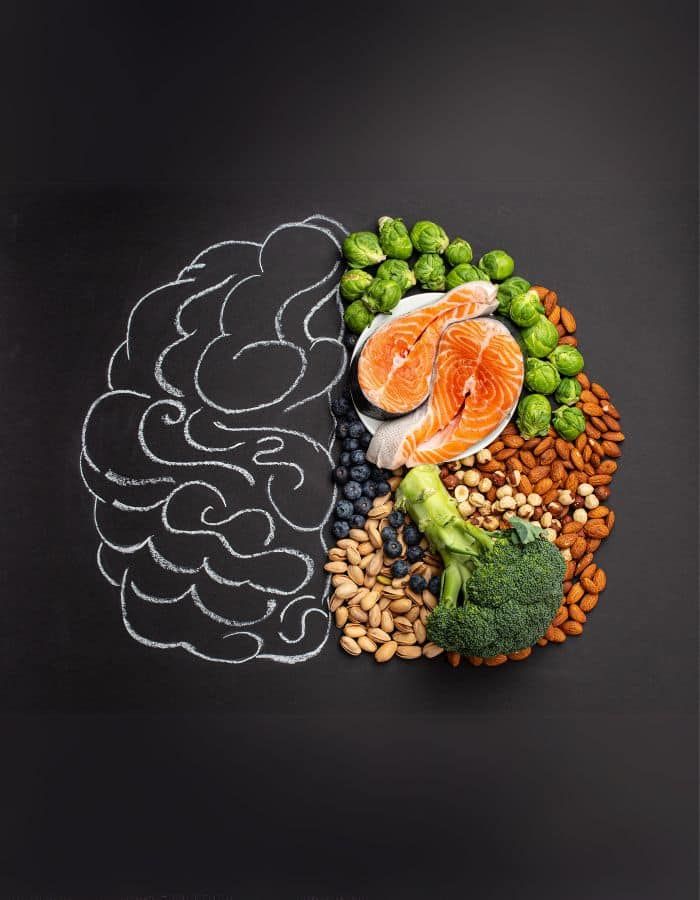
Strategies to Support Brain and Gut Health
Balanced Nutrition: A nutrient-rich, balanced diet (details in upcoming posts).
Regular Exercise: Aim for at least 30 minutes of walking daily.
Quality Sleep: Ensure sufficient and restorative sleep.
Stress Management: Practice meditation, yoga, reading, creative activities, or spending time in nature.
Sunlight Exposure: Supports vitamin D production and regulates circadian rhythm.
Avoid Smoking and Limit Alcohol: Essential for overall health.
The Hidden Dialogue Between Brain and Gut
Did you know that serotonin, the so-called happiness hormone, is produced more in the gut than in the brain?
Or that the gut has even more nerves than the spinal cord? Thousands of nerve connections link the brain and gut, meaning your mental state affects digestion, and digestion affects your mood as well.
Anxiety, stress, and poor diet can lead to digestive issues such as constipation, diarrhea, bloating, and indigestion. These problems are often associated with Irritable Bowel Syndrome (IBS), which is highly influenced by lifestyle and diet.
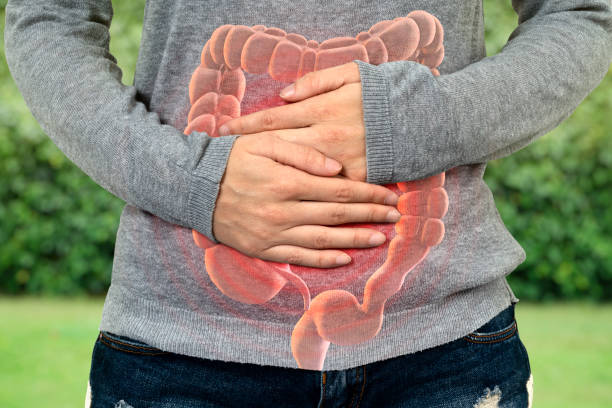
Triggers of IBS You Shouldn’t Ignore
Daily habits and dietary choices can gradually harm your gut health. Some of the most important triggers include:
Eating inflammatory or incompatible foods
Chronic stress
Overuse of medications
These factors may contribute to IBS and even lead to issues such as leaky gut.
IBS or SIBO?
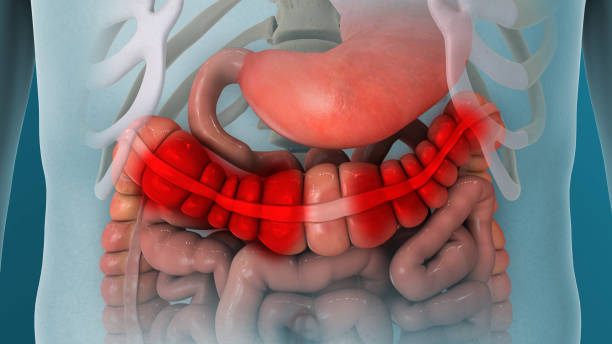
Many digestive problems like bloating, abdominal pain, and irregular bowel movements are often labeled as IBS. But that’s not always the case.
Small Intestinal Bacterial Overgrowth (SIBO) is one condition often mistaken for IBS.
In many cases, untreated gut bacteria can trigger or worsen IBS symptoms.
The Five R Approach to Managing IBS
Treating IBS cannot rely on medication alone. Achieving a healthy digestive system requires addressing the root causes. The first three steps of the 5R protocol are:
Remove: Eliminate inflammatory foods, toxins, and harmful microbes.
Replace: Provide the necessary substances for proper digestion, such as digestive enzymes and stomach acid.
Reinoculate: Restore microbial balance with probiotics and prebiotics.
Repair: Strengthen the gut lining with nutrients such as antioxidants, omega-3 fatty acids, and vitamins.
Restore: Reduce stress, ensure adequate sleep, and maintain a balanced lifestyle.
A calm mind equals a healthy gut.
What is FODMAP?
FODMAPs are short-chain carbohydrates, including:
Monosaccharides such as fructose
Disaccharides such as lactose
For people with IBS, these compounds are poorly digested and can cause bloating, gas, and abdominal pain.
Polyols and Their Effects
Polyols are a type of sugar alcohol found in sugar-free gum, certain fruits, and artificial sweeteners.
Because they are poorly absorbed, they may cause bloating and diarrhea, especially in those with IBS.
If you suffer from digestive problems, a low-FODMAP diet can help relieve symptoms.
Simple Adjustments to Improve Gut Function in IBS
Serotonin balance: Eating foods like bananas, turkey, and nuts can support healthy serotonin levels.
Meal timing: Adjusting your eating schedule, such as practicing intermittent fasting, can reduce IBS symptoms.
Mindful food choices: Thoughtful nutrition is the key to long-term management of IBS and gut health.
No comment