


What Is Insulin Resistance?
Insulin resistance is a condition in which your body no longer responds effectively to the hormone insulin. This can be an early stage of more serious conditions such as metabolic syndrome, type 2 diabetes, cardiovascular disease, fatty liver, and even premature aging.
The primary cause is long-term, excessive intake of glucose (sugars and starches).
Warning Signs of Insulin Resistance
If you experience any of the following, you may have insulin resistance:
Excess body weight, especially abdominal fat
Persistent fatigue
Poor sleep or insomnia
Mood swings, anxiety, irritability, or depression
Constant hunger and inability to feel full
Elevated triglycerides
Family history of diabetes or high blood pressure
Chronic inflammation (joint pain, digestive issues, or allergies)

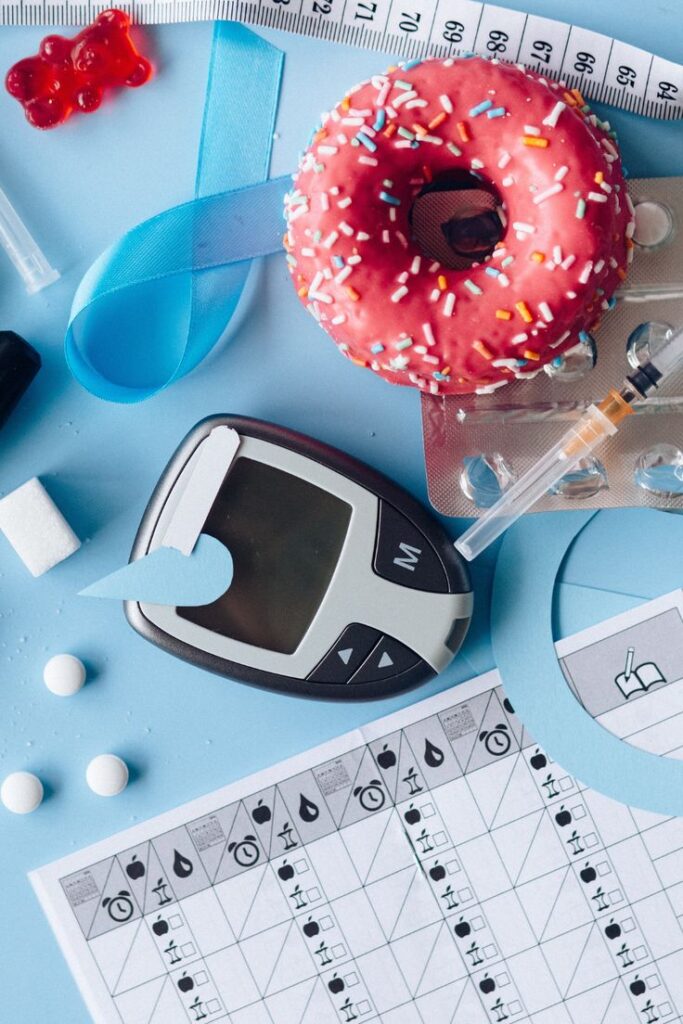
What Is Metabolic Syndrome?
Metabolic syndrome is diagnosed when at least three out of the following five criteria are present (according to the American Heart Association):
Waist circumference over 40 inches (men) or 35 inches (women)
Blood pressure higher than 130/85 mmHg
Fasting triglycerides over 150 mg/dl
Low HDL cholesterol: below 40 (men) or below 50 (women)
Fasting blood sugar over 90 mg/dl
A family history of high blood pressure, heart disease, or stroke further increases the risk.
Key Tests for Diagnosis
Triglyceride-to-HDL ratio greater than 3
Fasting insulin over 10 μIU/ml
HbA1C over 5.5%
Fasting blood sugar over 90 mg/dl
HOMA-IR index over 2–2.5
Combining lab results with clinical symptoms provides the most accurate diagnosis.

Common Causes of Insulin Resistance
Poor diet: excessive sugar and processed foods
Chronic stress and elevated cortisol
Poor sleep or insufficient rest
Sedentary lifestyle and lack of regular exercise
How to Reverse Insulin Resistance
The good news: insulin resistance is reversible!
With lifestyle changes, you can make your body sensitive to insulin again:
Healthy diet: Reduce sugar and starch to less than 20% of daily calories, avoid processed foods, consume enough protein and fiber, drink at least 2 liters of water daily, and incorporate intermittent fasting.
Regular exercise: At least 1 hour per day, combining aerobic and strength training.
Weight loss: Especially reducing abdominal fat.
Stress management and quality sleep.
Final Takeaway
Insulin resistance develops over years of poor dietary and lifestyle habits. But with awareness, timely action, and gradual changes, it can be controlled preventing serious health issues in the future.
[…] levels and fat accumulation in the liver. This is particularly common in individuals with insulin resistance and […]