


What Is Type 2 Diabetes?
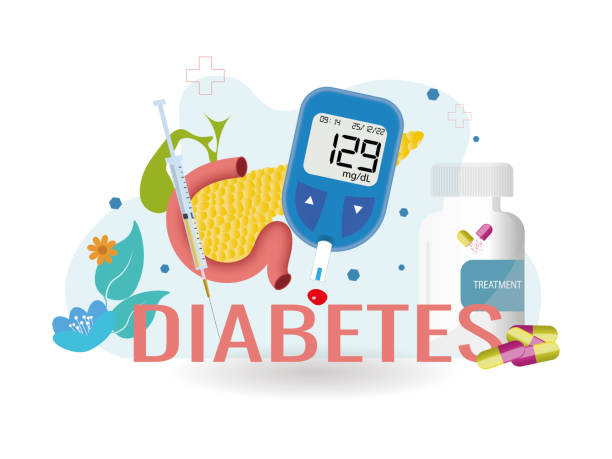
Type 2 diabetes is a chronic metabolic condition that develops gradually due to insulin resistance and impaired insulin secretion. It is most commonly triggered by poor dietary habits, excess calorie intake, obesity, physical inactivity, and, in many cases, a family history of diabetes.
Contrary to popular belief, type 2 diabetes is often reversible through proper lifestyle changes, weight loss, and a healthy, low-calorie diet.
Why Does Type 2 Diabetes Occur?
The most common causes and contributing factors include:
Genetic predisposition / family history
Excess body weight, especially abdominal obesity
High intake of calories and refined carbohydrates
Sedentary lifestyle and low physical activity
Chronic stress, sleep deprivation, and poor lifestyle choices
A combination of these factors increases insulin resistance. Over time, the pancreas becomes overworked and fatigued, leading to reduced insulin production. As a result, blood sugar levels rise and symptoms of diabetes emerge.
Major Complications of Uncontrolled Diabetes
If left untreated or poorly managed, diabetes can lead to serious and systemic health complications, including:
Cardiovascular diseases, heart attacks, and strokes
Kidney disorders, from recurrent infections to glomerular/tubular damage
Eye complications, such as cataracts and diabetic retinopathy, which may lead to blindness
Cognitive and psychological issues, including depression, dementia, and Alzheimer’s
Hypertension (high blood pressure)
Peripheral neuropathy, often presenting as tingling or numbness in hands and feet
Digestive issues, frequent infections, and skin conditions

Key Diagnostic Tests for Diabetes
Accurate diagnosis and effective management rely on the following tests:
Fasting Blood Sugar (FBS) – For initial screening and ongoing monitoring
2-Hour Postprandial (2HPP) / Glucose Tolerance Test (GTT) – For identifying prediabetes and gestational diabetes
HbA1C – Reflects average blood glucose over the past 3 months
Lipid Profile – Assesses cholesterol levels and cardiovascular risk
Insulin Level Tests – Evaluates insulin resistance and pancreatic function
Insulin Resistance: The Silent Disruptor
Insulin resistance occurs when cells fail to respond properly to insulin signals. It can lead to elevated blood sugar, increased fat storage, chronic fatigue, inflammation, and eventually type 2 diabetes.
Common causes of insulin resistance:
Poor nutrition, especially high sugar and processed foods
Chronic stress and elevated cortisol levels
Sleep deprivation and lack of exercise
Excess body fat, particularly visceral fat

Dietary Strategies for Blood Sugar Control
Proper nutrition is one of the most powerful tools for preventing and managing type 2 diabetes. When choosing foods, pay attention to:
Glycemic Indicators:
Glycemic Index (GI): Measures how quickly a carbohydrate-containing food raises blood sugar. A GI of 55–60 is considered good.
Glycemic Load (GL): A more accurate metric that considers the amount of carbohydrates plus fiber content. A healthy GL is around 11–12.
Example: Watermelon and carrots have high GI but low GL due to their fiber and water content, making them suitable in moderation.
Understanding the NOVA Classification of Foods
The NOVA classification system categorizes foods based on their level of processing:
Unprocessed / Minimally processed – Fruits, vegetables, legumes, etc.
Processed culinary ingredients – Oils, sugars, and salts used in cooking
Processed foods – Bread, cheese, canned goods
Ultra-processed foods – Chips, sodas, packaged snacks, ready-to-eat meals
📌 Pro Tip: Check food labels. If a product has more than 3–4 unfamiliar or chemical ingredients, avoid it. Choosing whole, natural foods supports long-term health.


The Most Effective and Side-Effect-Free Solution: Weight Loss
Weight reduction is the most sustainable and low-risk strategy for reversing insulin resistance and improving insulin sensitivity. As body fat decreases, insulin response improves naturally, often reducing or eliminating the need for medication.
Medical therapies (only under physician supervision) may include:
Oral medications such as Metformin
Injectable insulin
Newer agents such as Ozempic and similar drugs
Intermittent Fasting: A Natural Approach to Reset Metabolism
Intermittent fasting (IF) can be a powerful method to enhance fat burning, reduce insulin resistance, and promote cellular regeneration through a process called autophagy.
Autophagy allows cells to repair or recycle damaged components, reduce inflammation, and improve metabolic efficiency.
✅ For maximum benefits, combine intermittent fasting with a balanced diet rich in nutrients, fiber, and healthy fats.

Summary: Key Principles for Managing Type 2 Diabetes
Achieve and maintain a healthy body weight
Adopt a low-GI, high-fiber, nutrient-dense diet
Engage in regular physical activity
Prioritize quality sleep and stress management
Avoid ultra-processed foods and added sugars
Use medications only when necessary and under supervision
Monitor blood sugar and lipids regularly
[…] Sugar: Fiber slows down the absorption of sugar, making it especially beneficial for people with diabetes or those at […]