Alcohol has significant negative effects on physical and mental health. According to global research, no amount of alcohol is considered safe, and even light consumption increases the risk of chronic diseases.
Alcohol and Accelerated Aging
Alcohol directly accelerates the aging process. Key harmful effects include:
Reduced collagen production
Increased skin dryness
Early formation of wrinkles
Faster cellular aging due to toxic byproducts of alcohol metabolism
If maintaining healthy, youthful skin is important, avoiding alcohol is one of the most effective steps.
What Is an Alcohol-Induced Blackout?
One of the most dangerous effects of excessive alcohol intake is the occurrence of blackouts. During a blackout, the brain fails to store memories, making the person unable to recall events that happened hours before drinking. This is a warning sign of impaired brain function.
How Alcohol Disrupts Sleep Quality
Despite common belief, alcohol does not improve sleep. It actually causes:
Reduced deep sleep
Frequent nighttime awakenings
Increased fatigue and poor concentration the next day
Alcohol undermines restorative sleep and leads to lower daytime performance.
Alcohol and Metabolism: How It Alters Fat Burning
Alcohol interferes with the body’s natural metabolic processes. Once consumed, the body prioritizes metabolizing alcohol over burning fat. As a result:
Abdominal fat increases
Calorie burning decreases
Risk of metabolic disorders rises
This shift contributes to obesity, insulin resistance, and cardiovascular problems.
Alcohol’s Impact on Women’s Hormonal Health
Alcohol has direct, significant effects on women’s hormones. It may lead to:
Elevated estrogen levels
Increased risk of breast cancer
Irregular menstrual cycles
More severe PMS symptoms
Even small amounts can disrupt hormonal balance.
Is Moderate Drinking Safe?
The short answer is no. Scientific studies show that there is no risk-free level of alcohol consumption. Even occasional drinking increases the likelihood of cancer, cardiovascular disease, and neurological issues.
Alcohol and Vitamin Deficiencies
Alcohol disrupts nutrient absorption and commonly leads to deficiencies in:
These deficiencies can weaken the immune system, cause neurological problems, and lead to chronic fatigue.
Dangerous Alcohol–Drug Interactions
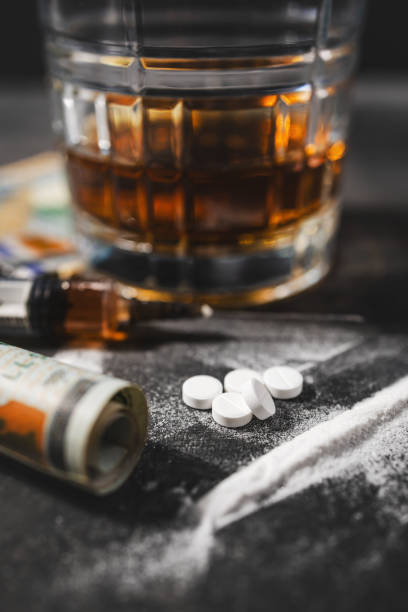
Combining alcohol with many medications is hazardous. The most dangerous combinations include:
Painkillers
Sedatives
Antidepressants
Mixing these with alcohol can lead to severe respiratory depression, dangerously low blood pressure, loss of consciousness, or even death.
Effects of Alcohol on Oral Health
Alcohol reduces saliva production and dries the mouth, creating an ideal environment for harmful bacteria. This can lead to:
Tooth decay
Gum disease
Bad breath
Increased risk of oral and throat cancers
Choose Health Consciously
Alcohol affects all aspects of life, from physical health and mental well-being to sleep quality and social relationships. Making an informed, health-centered decision about alcohol consumption is one of the most powerful ways to protect long-term wellness.





No comment