

Why Blood Pressure Matters
Every cell in the body relies on proper blood flow to receive oxygen and essential nutrients. This circulation is maintained by a healthy heart that pumps blood through a vast network of arteries. When blood pressure stays too high or too low for a long period, the function of vital organs becomes disrupted.
Hypertension, especially when chronic, can severely affect the brain, heart, kidneys, and eyes, leading to life-threatening complications such as:
Heart attack
Stroke
Kidney failure
Vision problems or even blindness
Why Does High Blood Pressure Occur?
Several lifestyle and biological factors contribute to elevated blood pressure:
Lifestyle-related causes:
Poor diet
Lack of physical activity
Inadequate sleep
Chronic stress
Smoking
Other risk factors:
Aging
Genetic predisposition
Higher prevalence in certain ethnic groups (e.g., African descent)
Secondary causes:
Certain medical conditions or medications can also raise blood pressure, including:
Adrenal gland tumors
Kidney diseases
Thyroid disorders
Long-term use of cough medicines
Anti-inflammatory drugs (e.g., ibuprofen)
Corticosteroids
Immunosuppressants
SSRIs (antidepressants)
Birth control pills
Recreational drugs (e.g., cocaine)
Any amount of alcohol
How the Heart and Blood Vessels Affect Blood Pressure
Blood pressure may rise when:
The heart cannot pump efficiently, causing blood to back up.
Arteries become stiff or narrow, restricting blood flow.
Both issues make it harder for blood to reach vital organs.
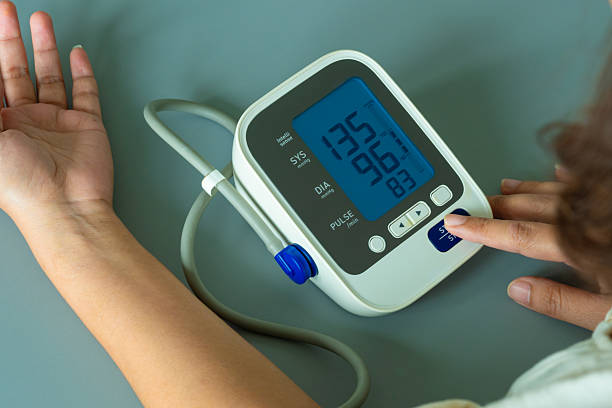
Blood Pressure Categories (According to ACC/AHA)
The American College of Cardiology and American Heart Association classify blood pressure into four main categories:
Normal Blood Pressure
Less than 120/80 mmHg
Elevated Blood Pressure
Systolic: 120–129 mmHg
Diastolic: below 80 mmHg
Stage 1 Hypertension
Systolic: 130–139 mmHg
Diastolic: 80–89 mmHg
Stage 2 Hypertension
Systolic: 140 mmHg or higher
Diastolic: 90 mmHg or higher
Hypertensive Crisis
A reading above 180/120 mmHg is considered a medical emergency.
Seek immediate medical attention.
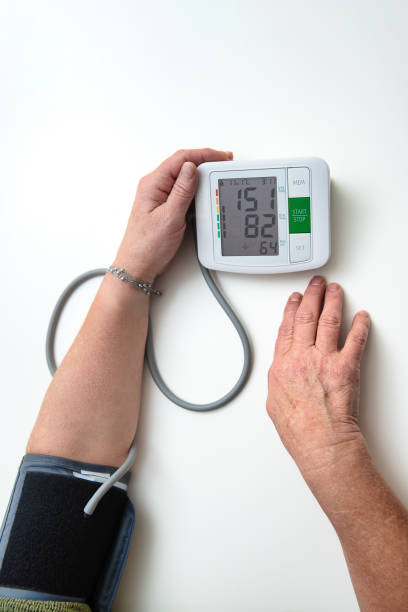
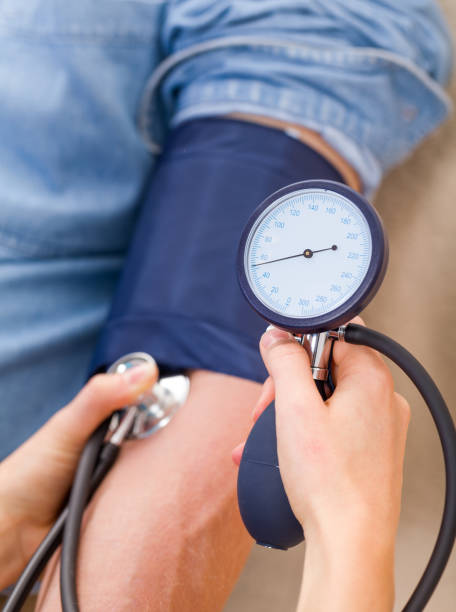
How to Correctly Measure Blood Pressure
To ensure accurate results:
Sit calmly for at least 5–15 minutes before measuring.
Rest your arm on a table at a 90-degree angle.
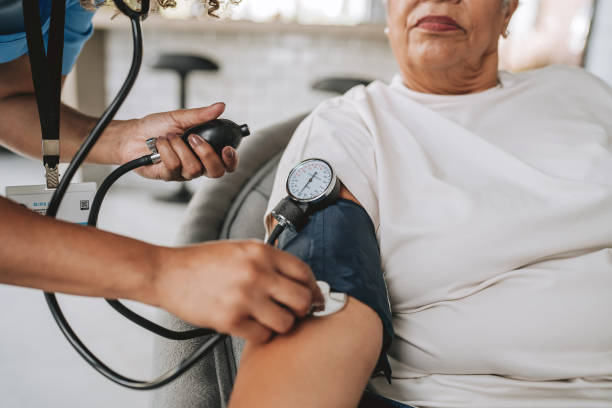
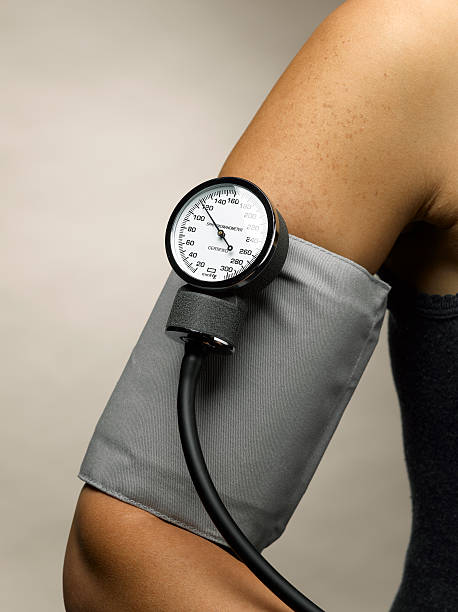
Place the cuff on your upper arm at heart level (not too tight).
Measure your blood pressure 2–3 times, one to two minutes apart, and average the results.
Always measure at the same time of day and on the same arm for consistency.
Routine monitoring is recommended twice a year starting at age 18, and more frequently for those with risk factors or pregnancy.
Understanding Systolic and Diastolic Pressure
Systolic (SBP): The pressure when the heart beats (maximum pressure).
Diastolic (DBP): The pressure between heartbeats (minimum pressure), indicating the condition of the arteries.
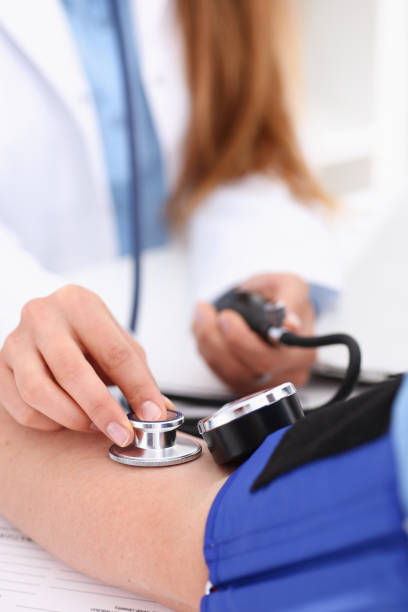
Symptoms of High Blood Pressure
Most people have no symptoms.
When symptoms do occur, they may include:
Headache
Dizziness
Nosebleeds
Shortness of breath
Because it is often silent, hypertension is known as a “silent killer.”
How to Lower and Control High Blood Pressure
1. Reduce refined carbs and sugars
Prefer complex carbohydrates such as whole grains and legumes.
2. Limit processed foods
Avoid chips, processed meats, fried foods, sugary drinks, and foods high in additives.
3. Reduce salt intake
You don’t need a salt-free diet; just avoid added salt from processed foods and remove the salt shaker from the table.
Recommended daily intake: 2–3 grams.
4. Choose healthy proteins
Include fish, chicken, and turkey.
5. Eat more fiber and vegetables
Helps regulate blood pressure and supports metabolic health.
6. Consume healthy fats
Up to 30 grams per day from sources like olive oil, nuts, and seeds.
7. Avoid smoking and alcohol
Both significantly increase blood pressure and cardiovascular risk.
8. Follow the DASH Diet
The Dietary Approaches to Stop Hypertension (DASH) diet is clinically proven to reduce blood pressure. It emphasizes whole foods, fruits, vegetables, low-fat proteins, and reduced sodium.
Conclusion
High blood pressure is a major global health challenge, often developing silently and causing serious complications if left untreated. With lifestyle adjustments, regular monitoring, and proper medical guidance, hypertension can be effectively prevented and managed.
No comment