


Hormonal Imbalances in Women
Hormones play a critical role in women’s health, and imbalances can lead to a wide range of issues, from acne, hair loss, vaginal dryness, and mood swings to abdominal fat accumulation, irregular periods, premenstrual syndrome (PMS), endometriosis, polycystic ovary syndrome (PCOS), infertility, and menopausal symptoms.
Many of these issues share a common root: chronic inflammation. This inflammation is influenced by insulin resistance, gut permeability, mitochondrial function, and stress levels. The proper functioning of various body systems is like an orchestra that must work in harmony to maintain hormonal balance.
Key Hormones and Their Roles
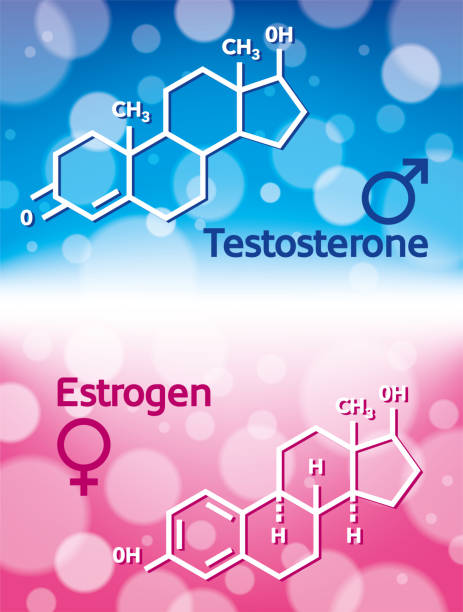
Estrogen: Secreted during the first half of the menstrual cycle (before ovulation), estrogen supports mood regulation, skin and hair health, and bone density.
Low estrogen symptoms: Dry skin and vaginal tissues, hair loss, decreased libido, light or irregular periods, osteoporosis.
High estrogen symptoms: Breast tenderness, heavy and painful periods, bloating, weight gain (especially abdominal), anxiety, and mood swings.
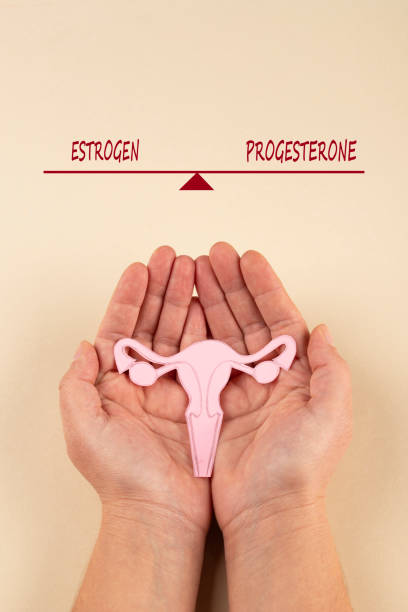
Progesterone: Prepares the uterus for pregnancy and regulates sleep, mood, and calmness.
Low progesterone symptoms: Insomnia, depression, heavy or irregular bleeding, infertility.
Insulin: Crucial for blood sugar regulation; insulin resistance can disrupt hormonal balance and contribute to PCOS.
Cortisol: The stress hormone, which can interfere with the function of estrogen and progesterone.
Thyroid hormones: Regulate metabolism and energy while working in concert with other hormones to maintain overall balance.
Root Causes of Hormonal Imbalances
Hormonal disruptions often stem from the following underlying factors:
Chronic inflammation and insulin resistance: Can elevate testosterone levels in women, leading to PCOS and ovulatory issues.
Gut permeability (“leaky gut”): Toxins called xenoestrogens enter the bloodstream, disrupting estrogen balance. Maintaining healthy gut microbiota (Estrobolome) is essential.
Chronic stress: Increased cortisol can disturb estrogen and progesterone balance.
Mitochondrial dysfunction: Mitochondria produce energy and synthesize hormones; healthy diet, exercise, and lifestyle support optimal mitochondrial function
Nutrition for Hormonal Health
Limit exposure to xenoestrogens (e.g., plastics, certain pesticides).
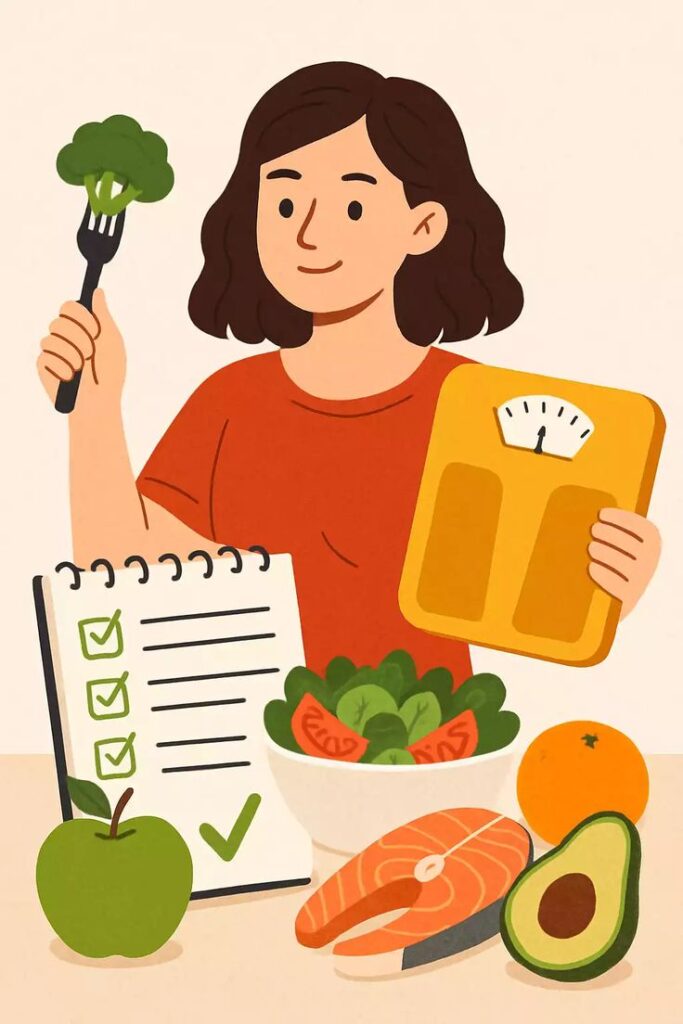
Ensure adequate protein (25–30g per meal from meat, fish, eggs, and nuts).
Consume sufficient fiber (35–40g/day) to support gut health.
Include healthy fats: olive oil, avocado, chia and flax seeds, fatty fish, and natural cholesterol sources.
Micronutrients: zinc, selenium, magnesium, vitamins C & D, and probiotics.
Foods that support liver function and estrogen metabolism: beets, lemon, green tea, leafy greens, and bone broth.
Nutrition Based on Menstrual Cycle
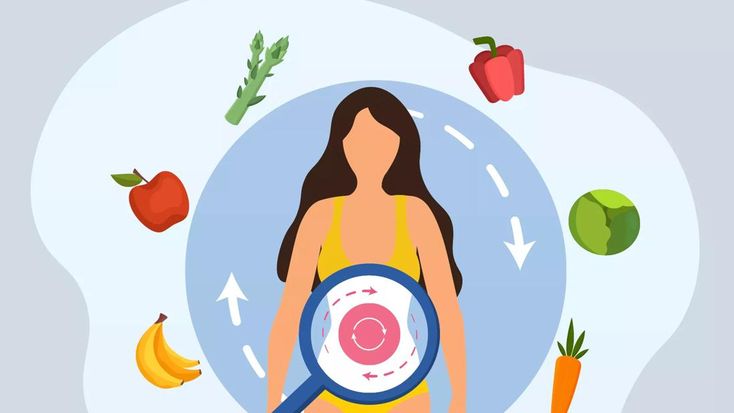
First half of cycle: Focus on fruits, vegetables, seeds, and light proteins.
Second half of cycle: Emphasize complex carbohydrates, nutrient-rich foods, and magnesium to reduce PMS symptoms.
During menstruation: Prioritize iron-rich and mineral-dense foods such as beets, radishes, bone broth, and lentils.
Exercise and Physical Activity
Walking and aerobic exercise: Reduce cortisol, improve mood, decrease insulin resistance, and aid detoxification.
Resistance and strength training: Promote muscle growth, improve bone density, and reduce insulin resistance.
Suggested routine: 30–40 minutes of walking every other day, gradual weight training, stretching, and Pilates.
Exercise According to Menstrual Phase
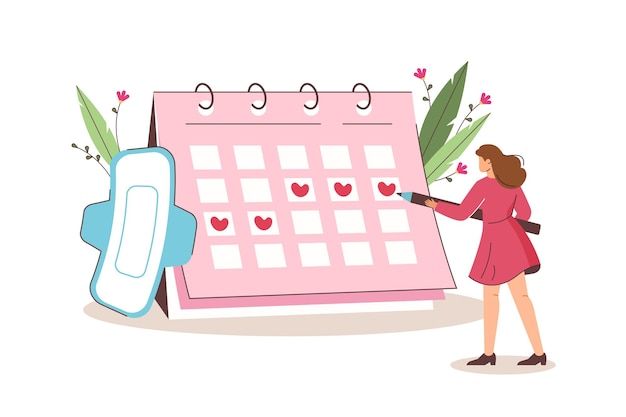
Follicular phase (days 1–10): Full activity and strength training.
Ovulation (days 11–15): Light strength training and aerobic exercises.
Luteal phase (days 16–28): Focus on relaxation, walking, and stretching.
During menstruation: Gentle stretching and walking.
Importance of Quality Sleep
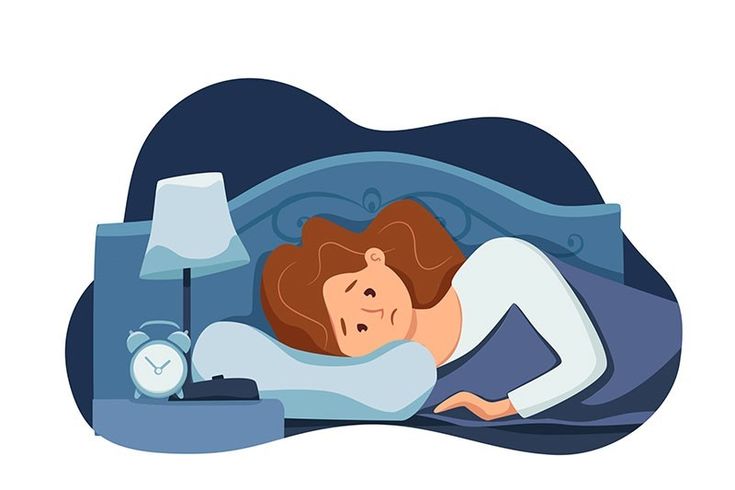
Good sleep lowers cortisol, supports progesterone levels, and promotes ovulation. Tips for better sleep:
Keep the bedroom cool and dark
Minimize blue light and stimulants in the afternoon
Use herbal teas that promote relaxation
Maintain calm pre-sleep routines
Hormonal Testing and Evaluation
For accurate assessment of hormonal imbalances:
Comprehensive medical history and family background
Blood tests including: glucose, HbA1c, CRP, triglycerides, HDL, thyroid panel, liver and adrenal function, cortisol, estrogen, progesterone, and FSH.
This post is the first in a series exploring hormonal imbalances, their root causes, and evidence-based strategies for management. Upcoming posts will cover cycle-based nutrition, intermittent fasting, exercise, and stress management for optimal hormonal health.
Causes of Vaginal Dryness and How to Treat It
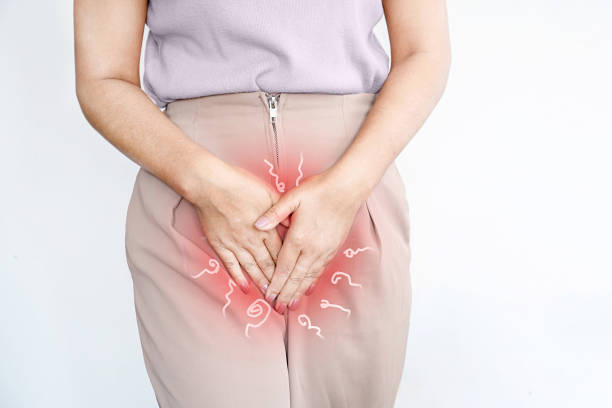
Vaginal dryness is a common issue among women, which can lead to discomfort, burning, and reduced sexual quality of life. One of the main causes is a decrease in estrogen levels, especially during menopause or in certain hormonal conditions. Reduced estrogen can cause thinning of the vaginal lining, decreased natural lubrication, and disruption of the vaginal microbiome, leading to an increased vaginal pH, dryness, and sensitivity.
Treatment Options for Vaginal Dryness:
Moisturizers and Lubricants
In the early stages, using vaginal moisturizers or water- or silicone-based lubricants is recommended to maintain moisture and reduce irritation.
Topical Estrogen
If symptoms persist, vaginal creams or suppositories containing estrogen can help restore the vaginal lining and natural lubrication.
Hormone Replacement Therapy (HRT)
If dryness continues, systemic hormone replacement therapy (oral, transdermal, or injectable) under the supervision of a specialist can be considered. This helps restore estrogen levels and provides long-term relief from symptoms.
💡 Note: Before starting any hormonal treatment, consultation with a gynecologist is essential to determine the most suitable approach for each individual.
Hormone Replacement Therapy (HRT) and Managing Menopause Symptoms
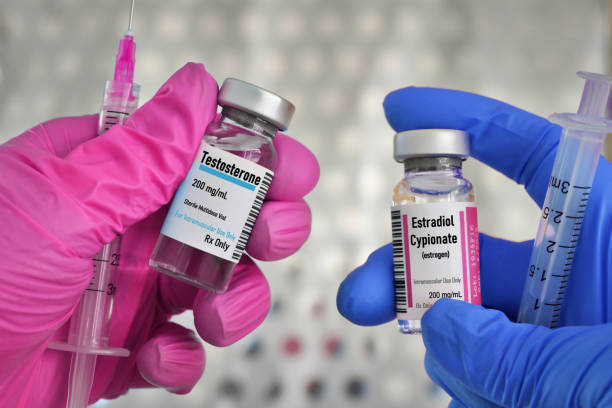
Hormone Replacement Therapy (HRT) is an effective method for alleviating menopause symptoms, but it should only be used in specific conditions and under the supervision of a specialist physician. HRT can be administered orally, via injection, patch, or vaginal application.
Main Indications for HRT:
1️⃣ Severe Hot Flashes or Autonomic Symptoms
When hot flashes and sudden sweating are moderate to severe or intolerable.
2️⃣ Genitourinary Symptoms
In women experiencing severe vaginal dryness, pain or discomfort during intercourse, or recurrent urinary tract infections.
3️⃣ Premature Menopause
Menopause occurring before the natural age range (45–55 years, average 51). HRT can be beneficial in these cases.
In individuals with thin bone structure or a family history of multiple fractures.
Timing of HRT Initiation:
The optimal time to start HRT is within 10 years after menopause or before the age of 60. Starting HRT after this window significantly reduces its effectiveness.
Who Should Not Use HRT?
Current or previous breast cancer
Family history of ovarian, endometrial, or estrogen-dependent breast cancer
Positive BRCA1 or BRCA2 genes or early onset cancer
History of cardiovascular disease, stroke, or uncontrolled hypertension
⚠️ Important Reminder: HRT should only be prescribed and supervised by a specialist physician. Self-treatment can be dangerous. This information is provided for general awareness only.
[…] has a direct connection with infertility and early menopause, as well as hormonal imbalances in both women and […]