Human Papillomavirus (HPV) is one of the most common sexually transmitted infections (STIs) worldwide. Most sexually active individuals will come into contact with HPV at some point in their live, often without even knowing it. There are over 200 known types of HPV, some of which can cause genital warts, while others, known as high-risk types, may lead to precancerous changes and cancers of the cervix, anus, penis, or throat.
How HPV Is Transmitted
HPV spreads primarily through skin-to-skin contact during vaginal, anal, or oral sex. Transmission can occur even when an infected person has no visible signs or symptoms. Using condoms can reduce the risk of infection, but they do not provide complete protection since HPV can infect areas not covered by a condom.
Symptoms and Health Risks
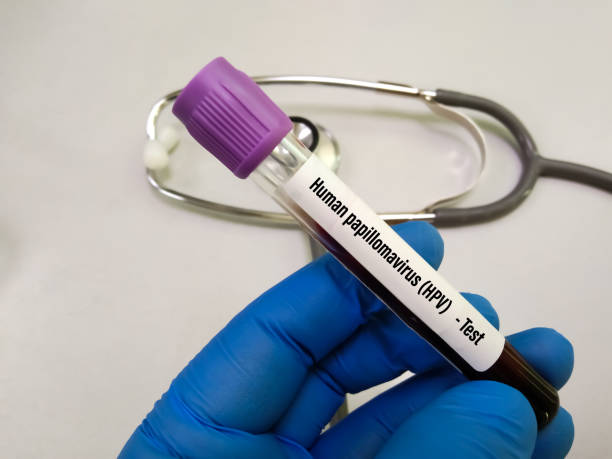
In many cases, HPV infections cause no symptoms and may clear up on their own within one to two years. However, some people develop genital warts or, in the case of persistent infection with high-risk types (especially HPV 16 and 18), cellular changes that can lead to cervical and other cancers. For women, regular screening with Pap tests (Pap smears) and, when indicated, HPV testing are essential for early detection and prevention of cervical cancer.
Prevention and HPV Vaccination
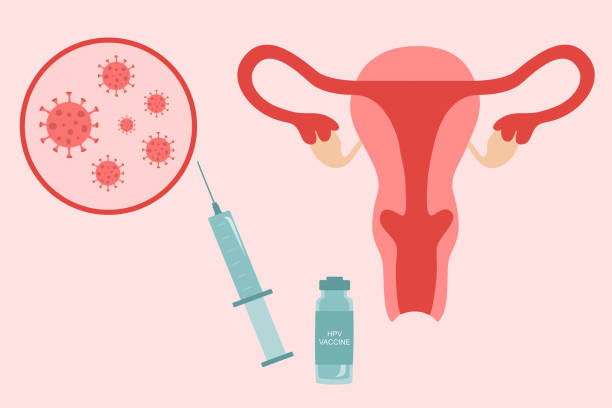
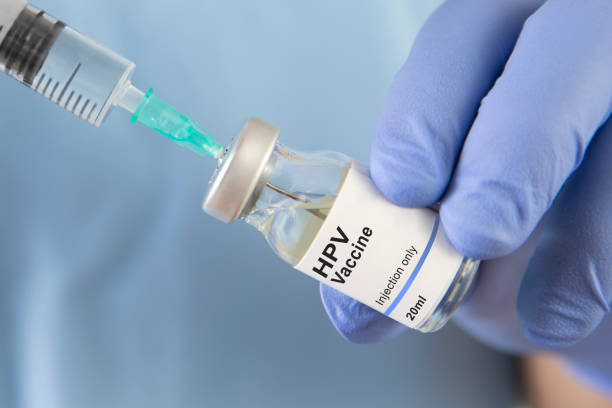
The most effective way to prevent HPV infection is through vaccination. Vaccines such as Gardasil and Cervarix protect against the most common and high-risk HPV types. The World Health Organization (WHO) recommends routine vaccination for girls and boys aged 9–14 years, ideally before the onset of sexual activity. In addition to vaccination, practicing safe sexual behaviors and undergoing regular medical check-ups are key steps in prevention.
Treatment
While there is no cure for the virus itself, the conditions it causes can be managed effectively. Treatments for warts or precancerous lesions include topical medications, cryotherapy (freezing), laser therapy, or surgical removal. Ongoing follow-up with a healthcare provider is crucial to monitor and manage any complications.
Important Note: Early diagnosis and regular medical check-ups are the best ways to prevent serious HPV-related complications. If you notice any unusual skin lesions in the genital area or have concerns about HPV infection, consult a qualified healthcare professional.



No comment