

What Is Inflammation?
Inflammation is the body’s natural defense response to injury, infection, or harmful stimuli. It is a core part of the immune system’s job: protecting the body and initiating the healing process.
Acute Inflammation vs. Chronic Inflammation
Acute inflammation is short-term and typically appears as a rapid, visible response to an injury or infection redness, swelling, heat, and pain. Think of a cut, a sprained ankle, or a sore throat. This type of inflammation is protective: it helps the body fight off harmful invaders and begin tissue repair, and it usually resolves within days once the threat is gone.
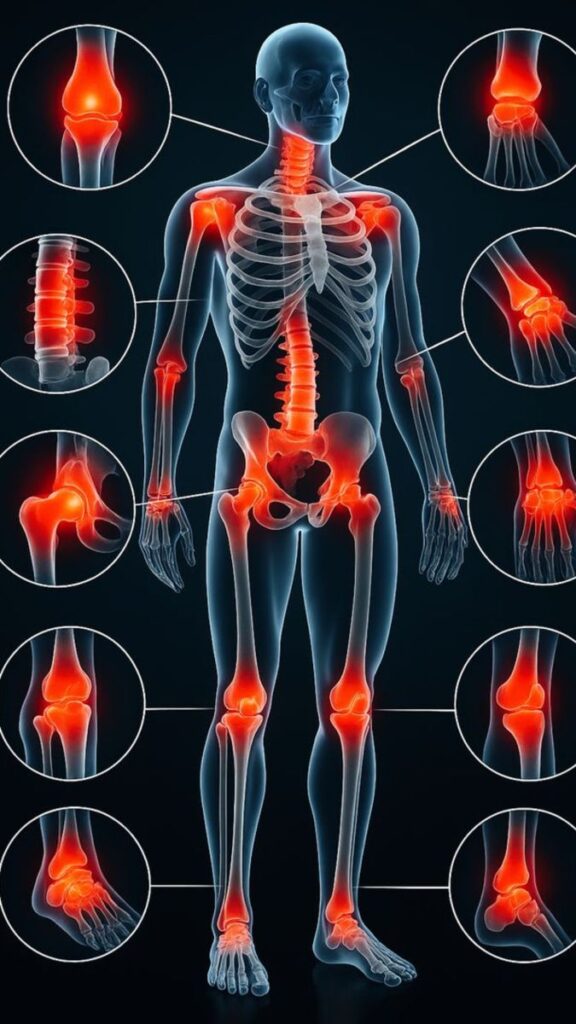
Chronic inflammation, on the other hand, is a low-grade, long-term inflammatory response that persists for months or even years, often without obvious symptoms. Instead of protecting the body, this prolonged state gradually damages healthy tissues and organs and is now recognized as an underlying driver of many modern chronic diseases.
What Causes Chronic Inflammation?
Chronic inflammation can develop from a combination of genetic and environmental / lifestyle factors:
- Genetics: Research suggests that genetic predisposition accounts for roughly 30 to 40 percent of the risk of chronic inflammation.
- Lifestyle and environmental factors account for the remaining 60 percent, and include:
- Chronic stress
- Poor or insufficient sleep
- An unhealthy, processed diet high in sugar and refined carbohydrates
- Lack of physical activity / a sedentary lifestyle

As with most diseases, the causes of chronic inflammation fall into two categories: genetic and environmental. Here, the genetic factor plays a smaller role. In other words, if a family has a predisposition to obesity, type 2 diabetes, Alzheimer’s, or any of the conditions mentioned, this does not mean we are destined to develop them. There are many documented cases of two siblings from the same family who, due to two completely different lifestyles, ended up with two entirely different outcomes when it comes to these diseases one staying healthy while the other developed the most severe form of the condition.

Conditions Linked to Chronic Inflammation
Chronic, low-grade inflammation has been linked to a wide range of health conditions, including:
- Metabolic syndrome
- Obesity
- Type 2 diabetes
- Autoimmune diseases
- Allergies
- Leaky gut and other digestive/gut issues
- Hormonal imbalances
- Fatty liver disease
- Cancer
- High blood pressure
- Mood changes
- Heart disease
- Alzheimer’s disease
- Reduced longevity

The Mechanism Behind Chronic Inflammation
At the cellular level, chronic inflammation is closely tied to two key mechanisms:
- Mitochondrial damage: Mitochondria, the energy-producing structures within our cells, become damaged and less efficient under conditions of chronic stress, poor diet, and inactivity. This dysfunction contributes to a cycle of ongoing inflammation.
- Increased insulin resistance: As inflammation rises, the body’s cells become less responsive to insulin. This insulin resistance drives further inflammation and metabolic imbalance, creating a self-reinforcing cycle.
Here is the broader mechanism by which lifestyle factors lead to chronic inflammation: high stress raises cortisol levels; consuming unhealthy, highly processed foods especially those high in sugar and refined carbohydrates is a major nutritional factor. When our stress levels are high, when we don’t exercise (keeping the body and metabolism inactive), or when we don’t get quality sleep, all of these disrupt our metabolic balance.
Genetic vs. Environmental Causes
As with most diseases, the causes of chronic inflammation fall into two categories: genetic and environmental. Here, the genetic factor plays a smaller role. Scientific studies indicate that only 30 to 40 percent of chronic inflammation is linked to genetic factors, while 60 percent is attributed to environmental factors.
In other words, if a family has a predisposition to obesity, type 2 diabetes, Alzheimer’s, or any of the conditions mentioned, this does not mean we are destined to develop them. There are many documented cases of two siblings from the same family who, due to two completely different lifestyles, ended up with two entirely different outcomes when it comes to these diseases one staying healthy while the other developed the most severe form of the condition.
Environmental Factors and How They Trigger Chronic Inflammation
Among environmental factors, the most important is nutrition, followed by physical inactivity, a sedentary lifestyle, excessive stress, poor sleep, and the absence of a joyful life. All of these can contribute to and create the conditions for chronic inflammation.
Here is the mechanism by which these factors lead to chronic inflammation: high stress raises cortisol levels; consuming unhealthy, highly processed foods especially those high in sugar and refined carbohydrates is a major nutritional factor. When our stress levels are high, when we don’t exercise (keeping the body and metabolism inactive), or when we don’t get quality sleep, all of these disrupt our metabolic balance.
Nutritional Strategies to Combat Chronic Inflammation
Reducing Processed Foods
From a nutritional standpoint, what should we do to fight chronic inflammation, whether it has already developed or to prevent it from developing? Currently, 45 to 50 percent of the world’s population is overweight. Processed foods, unfortunately supplied to us by food industry companies, are loaded with additives and preservatives to make them tastier and more appealing. It has been proven that this is the single biggest factor damaging our metabolism and causing chronic inflammation. This is therefore our first area of focus.
Unfortunately, reliable sources indicate that more than 40 to 50 percent of the food we consume daily is processed meaning food that we do not obtain from nature and prepare at home, but rather food that has been altered and manufactured in some way. We should try to reduce this to a very low percentage. There is clear evidence, which will be shared later, of how effective this reduction has been.


Cutting Down on Sugar and Carbohydrates
The second important factor is excessive consumption of sugar and carbohydrates, especially simple sugars and refined carbohydrates. Evidence shows that people typically consume around 150 grams of sugar and carbohydrates per day through their regular diet. This amount should be reduced as much as possible, because sugar and carbohydrates lead to insulin resistance. Wherever insulin rises, obesity follows, which damages the intestinal wall and leads to leaky gut and all of the complications associated with chronic inflammation arise from this.
Adequate Hydration
We need to be very mindful of proper hydration. If we don’t drink at least two liters of water throughout the day, our normal metabolism is disrupted. This is because cellular respiration is impaired, nutrients are not properly absorbed, and toxins are not properly eliminated. This is a point that must be given serious consideration.


Healthy Fats
Healthy fats are very important, at around 20 to 25, up to 30 grams per day. Remember that good fats mainly include coconut oil, olive oil, avocado oil, and healthy animal fats. Most plant-based oils that are hydrogenated become trans fats, and these are a primary cause of leaky gut and one of the key factors linked to chronic inflammation.


Adequate Fiber Intake
Fiber plays an important supporting role in reducing chronic inflammation. It feeds beneficial gut bacteria, supports a healthy gut lining, and helps regulate blood sugar and insulin response all of which are directly connected to inflammatory processes in the body. Prioritizing fiber-rich whole foods such as vegetables, fruits, legumes, and whole grains is an important part of an anti-inflammatory diet.
The Role of Good Sleep
Quality sleep is essential for keeping chronic inflammation in check. During deep sleep, the body carries out important repair and regulatory processes, including balancing hormones and cortisol levels and supporting immune function. Insufficient or poor-quality sleep disrupts this process, raises stress hormones, and contributes directly to the inflammatory cycle. Aiming for consistent, restful sleep each night is a key pillar of any anti-inflammatory lifestyle.


Physical Activity and Stress Management
Beyond these general nutritional principles, regular physical movement is essential at least a balanced amount of exercise and physical activity each day. It’s also important to actively manage stress through meditation, yoga, spending time in nature, and engaging in activities we enjoy, such as art and reading. By reducing stress in these ways, we can build a healthier, more balanced lifestyle for ourselves.

Lifestyle Strategies to Reduce Chronic Inflammation
Bringing all of this together, here are the core lifestyle habits that help lower chronic inflammation:
- Reduce intake of processed foods and added sugars
- Limit refined carbohydrates
- Stay well hydrated (at least 2 liters of water daily)
- Get adequate quality protein
- Choose healthy fats and avoid trans fats
- Include enough fiber from whole foods
- Prioritize consistent, restful sleep
- Engage in regular physical activity
- Actively manage stress through practices like meditation, yoga, time in nature, and enjoyable hobbies
- Build a balanced, joyful lifestyle overall
No comment