

Sleep: The Complete Guide
Sleep is not downtime it’s an active, tightly regulated biological process, generated by specific brain circuits that shift electrical activity, hormone release, and body temperature between distinct modes throughout the night. Far from being passive, sleep is one of the most metabolically active periods of the 24-hour day, and it affects nearly every system in the body: the brain, heart, metabolism, immune system, and hormonal balance. Every animal studied so far, from fruit flies to whales, sleeps or has a sleep-like state a strong hint that something this costly, in terms of lost foraging and vigilance time, must be doing something essential. This guide covers the essentials: how sleep works, why it matters, how much you need, common problems, and what actually helps with evidence levels noted throughout so you can tell settled science from areas still being researched.
How Sleep Works
Two systems control when you sleep:
- Circadian rhythm your internal ~24-hour clock, run by the suprachiasmatic nucleus (SCN) in the brain, synced mainly by light exposure. It governs melatonin release (which signals “it’s night”) and cortisol (which promotes daytime alertness, normally peaking shortly after waking and declining through the day).
- Homeostatic sleep drive sleep pressure that builds the longer you’re awake, driven by a molecule called adenosine. Caffeine works by blocking adenosine’s effects, not by removing the underlying pressure which is why the sleepiness “hits” once caffeine wears off.
These two systems interact: the circadian rhythm produces an alerting signal that peaks in the evening, temporarily counteracting accumulated sleep pressure which is why people often feel a late burst of energy before that signal drops and sleepiness increases sharply.
Body temperature also plays a role: a drop in core temperature in the evening helps trigger sleep onset, which is why a cool bedroom aids sleep. Light especially blue-wavelength light from screens is the strongest external cue for this whole system, which is why evening screen use can delay sleep onset.
The Chemistry Behind Wakefulness and Sleep
A handful of brain chemicals do the actual work of switching you between wakefulness and sleep:
- Orexin (hypocretin) stabilizes wakefulness and keeps REM sleep from intruding into waking life. Its near-total loss causes narcolepsy.
- GABA, the brain’s main inhibitory neurotransmitter, is released by sleep-promoting neurons to suppress the brain’s arousal centers many sedative medications work by boosting GABA activity.
- Histamine promotes alertness, which is why antihistamines that block it (like diphenhydramine) cause drowsiness as a side effect.
- Cortisol normally peaks about 30–45 minutes after waking and declines through the day, reaching its lowest point around midnight chronic stress can flatten or shift this rhythm.
Chronotypes and Genetics
People differ in their natural inclination toward earlier or later sleep timing a trait called chronotype, which sits on a spectrum from strong “morning types” to strong “evening types” and is influenced substantially by genetics. Twin and family studies show sleep duration, timing, and quality are all meaningfully heritable. Chronotype itself shifts across life, moving later during adolescence and earlier again with aging a biological pattern, not a matter of discipline.
| Stage | Share of Night | What Happens |
|---|---|---|
| N1 | ~5% | Light transition into sleep |
| N2 | ~45–50% | Light sleep; memory processing |
| N3 (deep sleep) | ~15–20% | Physical repair, growth hormone release, brain waste clearance |
| REM | ~20–25% | Dreaming, emotional processing, memory consolidation |
Deep sleep dominates the first half of the night; REM lengthens toward morning which is why cutting sleep short disproportionately reduces REM. Each stage does different work: N2 is where sleep spindles and K-complexes help protect sleep from disruption while supporting memory processing; N3 is when growth hormone peaks and the brain’s glymphatic system flushes out metabolic waste, including proteins implicated in Alzheimer’s disease; REM is when the brainstem induces near-total muscle paralysis (so you don’t act out dreams) while the brain processes emotional memory and forms creative, novel connections between ideas. Sleep architecture also shifts with age infants spend nearly half their sleep in REM, children get proportionally more deep sleep to support growth, and older adults lose much of their N3 sleep, which is part of why sleep can feel less refreshing later in life even with a similar number of hours.
Why Sleep Matters
- Brain: Sleep consolidates memory, supports learning and creativity, and helps regulate emotion REM sleep in particular helps process emotional memories, sometimes described as “overnight therapy.”
- Immune system: Poor sleep weakens immune response (even reducing vaccine antibody response after just one short night) and raises inflammation markers.
- Heart and metabolism: Chronic short sleep is linked to higher blood pressure, insulin resistance, and weight gain (via disrupted hunger hormones higher ghrelin, lower leptin that increase appetite and cravings).
- Physical recovery: Growth hormone, released mainly during deep sleep, drives tissue repair and muscle recovery a key reason athletes perform and recover better with adequate sleep.
- Long-term health: Chronic poor sleep is associated with increased risk of cardiovascular disease, type 2 diabetes, and through impaired overnight brain waste clearance a possible link to Alzheimer’s risk (an active area of research). Both chronically short and chronically very long sleep are associated with higher mortality risk in large studies.
- Fertility and hormones: Sleep disruption affects reproductive hormone regulation in both sexes, including testosterone, which is released primarily during sleep.
- A single bad night vs. chronic debt: These are different phenomena. One poor night triggers a temporary stress response a spike in cortisol, a dip in insulin sensitivity that mostly resolves within a day or two of normal sleep. Chronic restriction, even by just an hour or so per night over weeks, doesn’t fully reset between nights: cortisol rhythms flatten, inflammation stays elevated, and the brain’s ability to judge its own impairment gets worse. This is why “pushing through” a rough week and recovering later only partly works a single recovery night handles acute sleepiness reasonably well, but not weeks of accumulated strain.
Consequences of Not Sleeping Enough
Short term: Even one short night measurably impairs attention, working memory, and reaction time and increases emotional reactivity, so small frustrations feel bigger. Glucose tolerance can drop after just one bad night, and immune markers shift within 24 hours.
Longer term: People sleeping 6 hours a night for several consecutive nights show cognitive impairment comparable to legal alcohol intoxication, yet consistently underestimate how impaired they actually are. Chronic short sleep is linked in large longitudinal studies to increased risk of hypertension, coronary artery disease, stroke, and type 2 diabetes. Sleep-deprived people also show weaker immune responses — in controlled studies, people who got a vaccine after a short-sleep night produced fewer antibodies than well-rested participants, and people sleeping under 6 hours were found to be roughly four times more likely to catch a cold after controlled viral exposure compared to those sleeping 7+ hours.
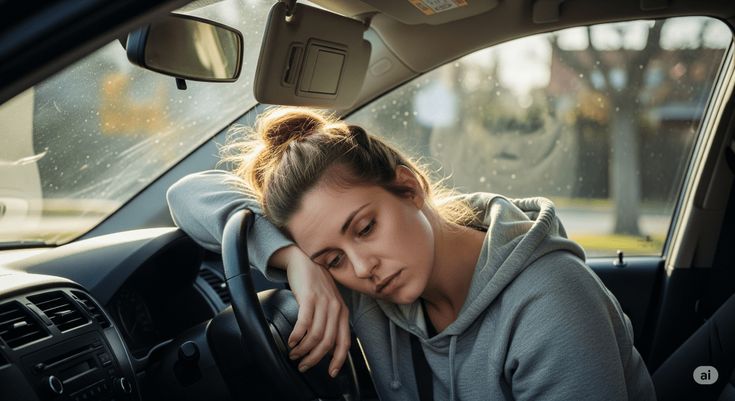
Driving, work, and safety: Drowsy driving produces impairment comparable to alcohol-impaired driving at certain thresholds of restriction, and is a significant, likely underreported contributor to serious road accidents, since there’s no simple roadside test for it the way there is for alcohol. Workplace productivity studies estimate that insufficient sleep costs advanced economies well over 1% of GDP annually through errors, absenteeism, and lost output. Athletes show reduced strength, endurance, and reaction time, along with higher injury risk, under chronic sleep restriction.
Mortality: Multiple large longitudinal studies show a U-shaped relationship between sleep duration and all-cause mortality both chronically short and chronically very long sleep are associated with increased risk relative to the 7–8 hour range, though the long-sleep side of that curve may partly reflect underlying illness rather than long sleep itself causing harm.
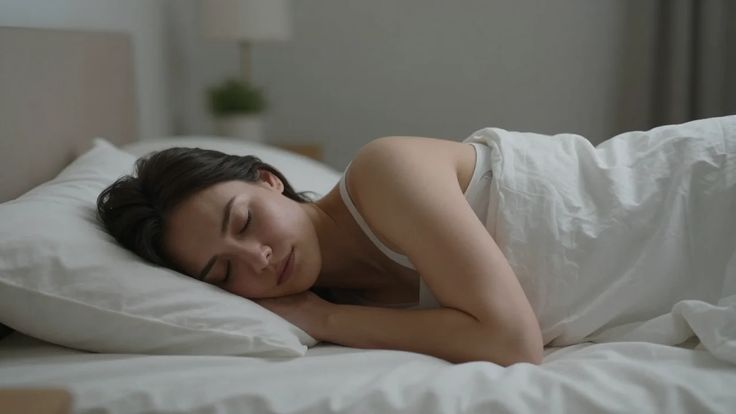
How Much Sleep Do You Need?
| Age Group | Recommended Sleep |
|---|---|
| Newborns | 14–17 hrs |
| Infants | 12–16 hrs |
| Toddlers | 11–14 hrs |
| School-age | 9–12 hrs |
| Teens | 8–10 hrs |
| Adults | 7–9 hrs |
| Older adults (65+) | 7–8 hrs |
True genetic “short sleepers” who thrive on 4–6 hours are rare a small number of specific gene variants have been identified in some such individuals, but they represent a tiny fraction of the population. Most people who sleep short hours habitually are simply sleep-restricted, not biologically adapted they feel less impaired than they actually are, since subjective sleepiness ratings can partially normalize after days of restriction even as objective performance (memory, reaction time, glucose metabolism) does not fully recover. This gap between feeling adapted and being genuinely unimpaired is part of why chronic short sleep is riskier than it feels day to day.
These numbers are also population-level guidance, not rigid personal rules individual need varies with genetics, health status, and life circumstances (illness and pregnancy both increase sleep need). A practical personal marker: do you wake without an alarm feeling reasonably refreshed, and can you sustain attention and mood through the day without heavy caffeine reliance?
Sleep Across Life
Sleep needs and patterns shift throughout life:

Newborns and infants lack a mature circadian rhythm at first, sleeping in short bouts across the full 24 hours, with REM making up nearly half of total sleep thought to support the extraordinarily rapid brain development of this period. Circadian consolidation typically begins around 2–4 months, and most infants develop a more predictable day-night pattern by around 6 months.
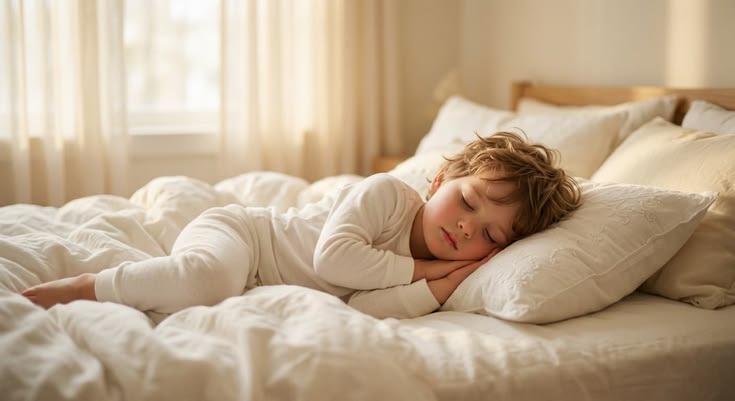
Childhood carries a high proportion of deep (N3) sleep, coinciding with peak physical growth; consistent schedules are linked to better emotional regulation and academic performance.
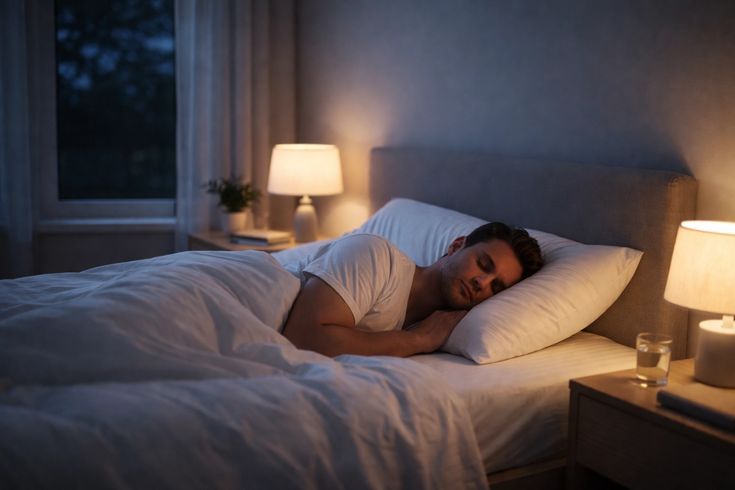
Adolescence brings a well-documented, biologically driven circadian delay teens are genuinely wired to sleep and wake later, not just being undisciplined which, combined with early school start times, is a major contributor to widespread teenage sleep deprivation.
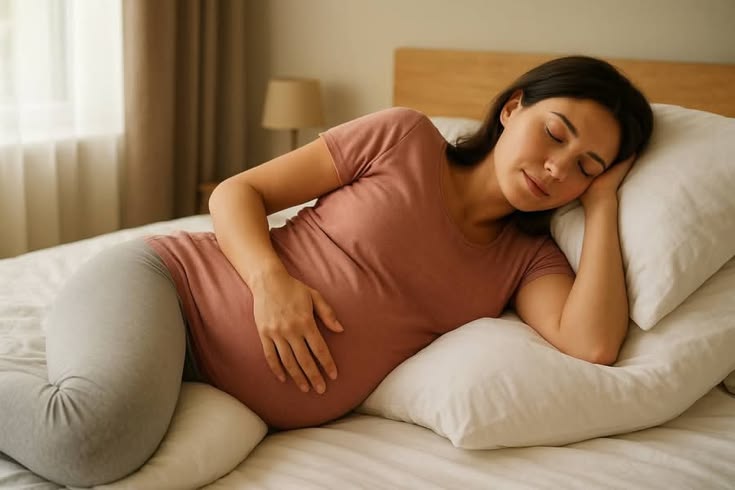
Pregnancy disrupts sleep differently by trimester: hormonal changes and fatigue early on, physical discomfort and frequent urination later; restless legs syndrome and sleep apnea both increase in prevalence during pregnancy.
Menopause is strongly associated with worsened sleep, driven by declining estrogen and progesterone (which has mild sedative properties), hot flashes and night sweats that fragment sleep, and increased risk of insomnia and sleep apnea.
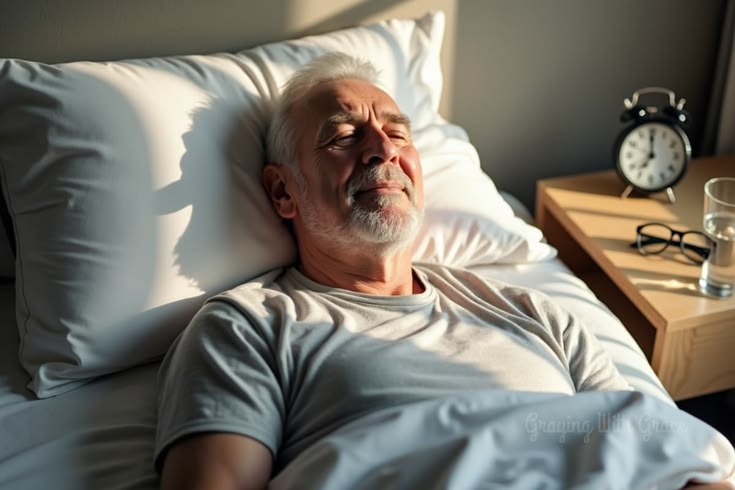
Older adults shift to earlier natural sleep/wake timing, lose much of their deep (N3) sleep, and experience more fragmented sleep with frequent brief awakenings yet their underlying biological need drops only modestly (7–8 vs. 7–9 hours), which is why the common belief that seniors simply require much less sleep is a myth rather than a fact.
What Disrupts Sleep
Psychological factors: Stress, anxiety, and depression are among the most common contributors stress activates the body’s HPA axis, elevating cortisol and adrenaline at times when they should be declining, directly opposing sleep onset.
Schedule and light-related factors: Shift work forces sleep against the body’s circadian signal; jet lag results from a mismatch between the internal clock and a new time zone; evening screen use delays melatonin release both through blue light and through the alerting effect of engaging content itself.
substances: Caffeine blocks adenosine receptors, directly interfering with sleep drive, and its effects can persist 6+ hours depending on individual metabolism (genetic differences in caffeine metabolism explain why it affects people so differently). Nicotine is a stimulant that increases time to fall asleep and fragments sleep. Alcohol, despite shortening time to fall asleep, suppresses REM in the first half of the night and causes rebound fragmentation later. Certain medications some antidepressants, corticosteroids, beta-blockers, and stimulant medications can interfere with sleep as a side effect.
Environmental factors: Noise even at levels too low to fully wake you can fragment sleep architecture and reduce time spent in deep sleep, a well-documented effect in people living near airports or busy roads. An overly warm room interferes with the natural overnight temperature drop, and excess ambient light (including device indicator lights) degrades sleep quality even without conscious awareness.
Conditioned arousal: A common, underappreciated pattern where, after a period of real sleep trouble, the brain starts associating the bed itself with wakefulness and frustration perpetuating insomnia even after the original cause resolves. This is specifically why CBT-I includes stimulus control techniques (like leaving the bed if you can’t sleep after ~20 minutes) rather than relying on willpower alone.
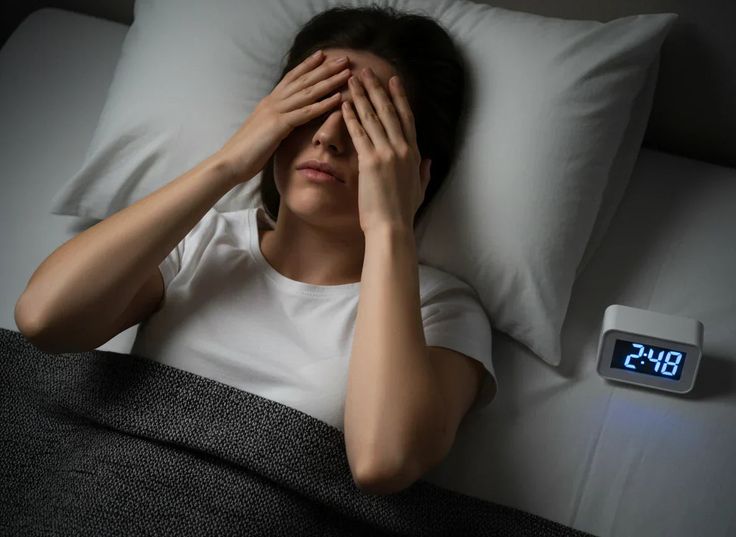
Insomnia difficulty falling or staying asleep, causing daytime impairment. Often driven by stress, anxiety, or the conditioned-arousal pattern described above. First-line treatment is CBT-I (Cognitive Behavioral Therapy for Insomnia), which has stronger long-term evidence than medication, since it addresses the underlying learned patterns rather than just masking symptoms.
Obstructive Sleep Apnea repeated airway blockage during sleep; signs include loud snoring, witnessed breathing pauses, gasping awakenings, morning headache, and daytime sleepiness. Risk rises with obesity, older age, and larger neck circumference, but it also occurs in people of normal weight due to airway anatomy. Diagnosed via a sleep study (in-lab or validated home test) and treated with CPAP (a pressurized air mask), weight management, positional therapy, or oral appliances. Untreated OSA carries meaningfully increased cardiovascular risk, which is why it shouldn’t be dismissed as “just snoring.”
Central Sleep Apnea breathing pauses caused by the brain failing to signal breathing muscles properly, not airway blockage; often linked to heart failure, stroke, or opioid use, and treated by addressing the underlying cause rather than with the same approach as OSA.
Restless Legs Syndrome an uncomfortable crawling or aching urge to move the legs, worse at rest and in the evening, temporarily relieved by movement; often linked to iron deficiency or dopamine signaling issues, and treatable with iron repletion or dopaminergic medication once identified. It’s a distinct neurological condition, not simply “restlessness” or anxiety.
Periodic Limb Movement Disorder repetitive involuntary limb movements during sleep that fragment sleep continuity, often noticed first by a bed partner rather than the person themselves; overlaps with RLS but is a distinct condition defined by movement during sleep itself.
Narcolepsy excessive daytime sleepiness from a REM-regulation disorder caused by loss of orexin-producing neurons, sometimes with cataplexy (sudden muscle weakness triggered by strong emotion). Managed with wake-promoting medication and scheduled naps; it’s a lifelong but manageable condition, not simply “randomly falling asleep.”
Idiopathic Hypersomnia chronic excessive daytime sleepiness and severe difficulty waking (“sleep drunkenness”) without the specific REM abnormalities of narcolepsy; generally harder to manage than narcolepsy.
Parasomnias sleepwalking and night terrors arise from deep sleep (disorders of arousal, no memory afterward, most common in childhood and usually resolving by adolescence), while nightmares arise from REM sleep (full waking, vivid recall). Ensuring a safe sleep environment matters more than trying to “wake” someone mid-episode.
REM Sleep Behavior Disorder loss of normal muscle paralysis during REM, causing people to physically act out dreams (punching, kicking, shouting); more common in older adults and worth flagging to a doctor, since it’s a recognized early marker of future neurological conditions including Parkinson’s disease.
Circadian rhythm disorders a mismatch between your internal clock and required schedule: Delayed Sleep-Wake Phase Disorder (persistent, biologically-driven difficulty sleeping and waking at conventional times, common in teens and young adults — not laziness), Advanced Sleep-Wake Phase Disorder (very early natural timing, more common in older adults), Shift Work Disorder, and Jet Lag Disorder. Managed with strategically timed light exposure and sometimes timed melatonin.
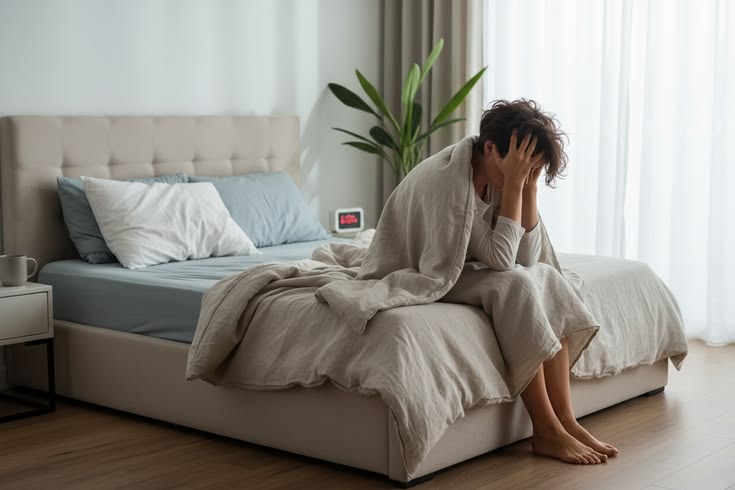
Sleep and Mental Health
The relationship is bidirectional. Insomnia is present in the majority of depressive episodes and is both a symptom of depression and anxiety and an independent risk factor for developing them longitudinal studies show insomnia can predict the future onset of depression, not just follow from it. Poor sleep amplifies stress and emotional reactivity, while REM sleep specifically helps process emotionally charged memories, sometimes described as “overnight therapy” chronic sleep loss disrupts this process.
Anxiety disorders commonly involve difficulty falling asleep due to hyperarousal and racing thoughts, which in turn amplifies next-day anxiety sensitivity, creating a reinforcing loop. Nightmares and sleep fragmentation are core features of PTSD, not incidental symptoms, and are specifically targeted by evidence-based trauma treatments. The relationship between ADHD and sleep is complex: many people with ADHD have genuinely disrupted sleep architecture and delayed circadian timing, sleep deprivation itself can produce ADHD-like symptoms (particularly in children), and some ADHD medications can further disrupt sleep. Reduced sleep need is a hallmark feature of manic episodes in bipolar disorder, and disrupted sleep can itself trigger mood episodes in susceptible individuals. Chronic stress and burnout sustain elevated evening cortisol, directly opposing the physiological conditions needed for sleep onset.
Because the relationship runs in both directions, effective treatment often needs to address both poles at once CBT-I has shown benefit not just for insomnia itself, but as an add-on that improves outcomes in depression and anxiety when combined with standard psychiatric care.
Nutrition and Exercise
| Food/Supplement | Evidence Level |
|---|---|
| Magnesium (if deficient) | Moderate |
| Glycine | Moderate |
| Tart cherry juice | Moderate |
| Timed melatonin (jet lag, circadian shifts) | Moderate–Strong |
| Melatonin for general insomnia | Modest/Moderate |
| Kiwi | Limited |
| Chamomile | Limited |
| Valerian | Limited (inconsistent trial results) |
| Ashwagandha | Limited/Emerging |
| Vitamin D, Omega-3s | Limited |
| Caffeine | Strong evidence of disruption |
| Alcohol | Strong evidence of disruption |
No supplement replaces consistent sleep habits or treating an underlying sleep disorder — think of the “moderate evidence” items as modest add-ons, not fixes. Caffeine’s effects can last 6+ hours depending on individual metabolism, so an afternoon cutoff is a reasonable default; heavy or late meals close to bedtime can also worsen reflux and delay sleep onset.
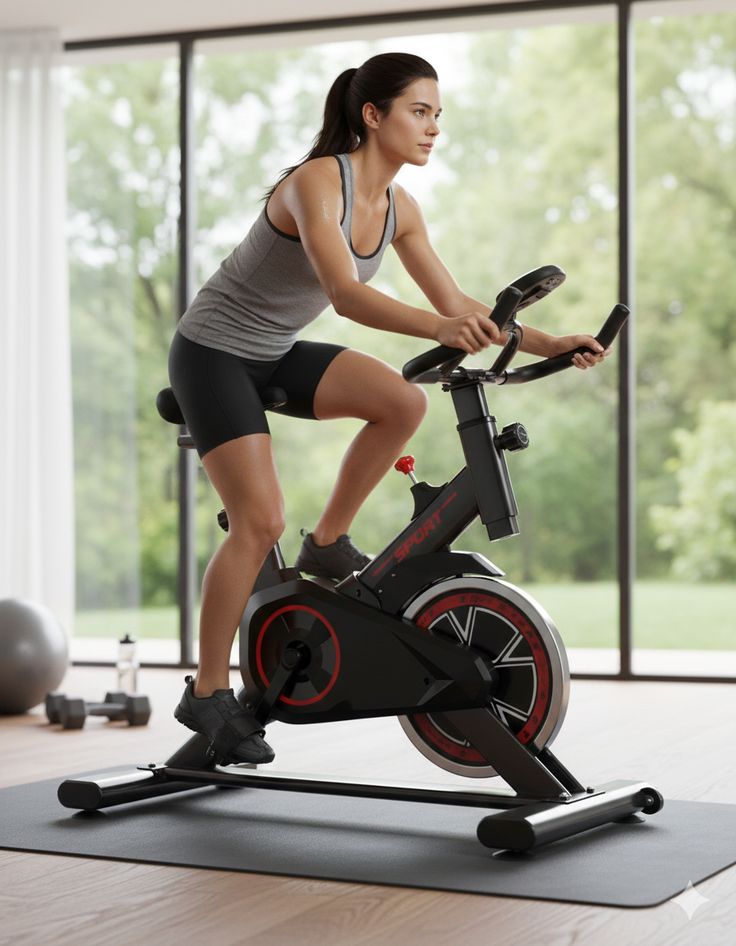
Exercise: Regular aerobic and resistance training reliably improve sleep quality and reduce insomnia symptoms across studies among the most consistently evidence-backed non-drug tools available. Yoga, combining movement with breath regulation, shows specific benefit for insomnia symptoms and sleep-related anxiety. Morning exercise is a safe default and reinforces circadian timing through associated light exposure. Evening exercise is fine for most people if it ends 1–2 hours before bed very intense, late sessions may be overstimulating for some, though this isn’t universal. Adequate sleep, in turn, supports the muscle repair and hormonal processes central to training adaptation and recovery, making the relationship genuinely two-way.
The Two-System Model, in Practice
It helps to understand how the circadian rhythm and homeostatic sleep drive interact, because it explains a few common experiences. Sleep pressure from adenosine builds steadily the longer you’re awake a fairly straight upward line. The circadian rhythm, meanwhile, produces its own alerting signal that rises and falls across the day and happens to peak in the few hours before habitual bedtime, temporarily counteracting the sleep pressure that’s built up by then which is why people often notice a burst of evening energy even after a long day awake. Once that circadian signal drops in the couple of hours before bed, sleep pressure goes unopposed and sleepiness increases sharply, creating a fairly narrow nightly “sleep gate” during which falling asleep is easiest.
This also explains why naps are a double-edged tool: a nap reduces accumulated sleep pressure, which can restore alertness short-term, but because it dissipates part of that pressure, it can also make it harder to fall asleep later that night especially if the nap is long or late in the day. Short naps (20–30 minutes) earlier in the day sidestep this problem for most people.
Optimizing Your Sleep Environment
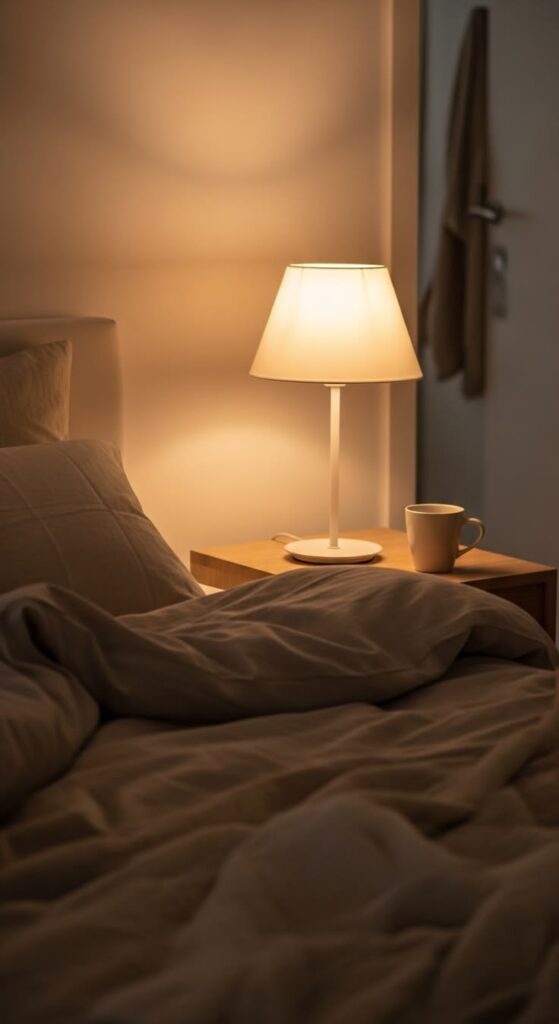
Beyond the general “cool, dark, quiet” guidance, a few specific environmental factors are worth knowing. Noise disrupts sleep even at levels too low to cause full waking, reducing time spent in deep, restorative stages a well-documented effect in people living near airports or busy roads, and one reason white noise or earplugs can genuinely help in noisy settings. A too-warm room interferes with the natural evening drop in core body temperature that helps trigger sleep onset; there’s no single scientifically “optimal” number, but most people do better on the cooler side of comfortable. Light including small device indicator lights and streetlight leakage through curtains measurably affects sleep quality even without waking you up, so blackout curtains or an eye mask are reasonable, low-effort interventions. Mattress and bedding comfort matter too, though “optimal” firmness is highly individual rather than universal.
Sleep Hygiene (What Actually Helps)
Strong evidence:
- Consistent sleep/wake time, every day including weekends. This is arguably the single highest-impact habit, since it anchors both the circadian rhythm and sleep drive to a stable daily reference point.
- Morning light exposure, ideally natural light
- Caffeine cutoff in the early-to-mid afternoon
- Cool, dark, quiet bedroom
- Treating diagnosed disorders directly hygiene alone won’t fix sleep apnea or resolve chronic insomnia
Moderate evidence:
- Less screen time and blue light before bed
- Avoiding alcohol/heavy meals close to bedtime
- A relaxing wind-down routine
- Reserving the bed mainly for sleep, to avoid it becoming associated with wakefulness
Weaker evidence, often overstated:
- Highly specific “optimal” room temperatures
- Elaborate supplement combinations not tested together in trials
- Most commercial sleep-tracker-derived recommendations useful for spotting patterns, but not diagnostic tools
A Note on Sleep Trackers
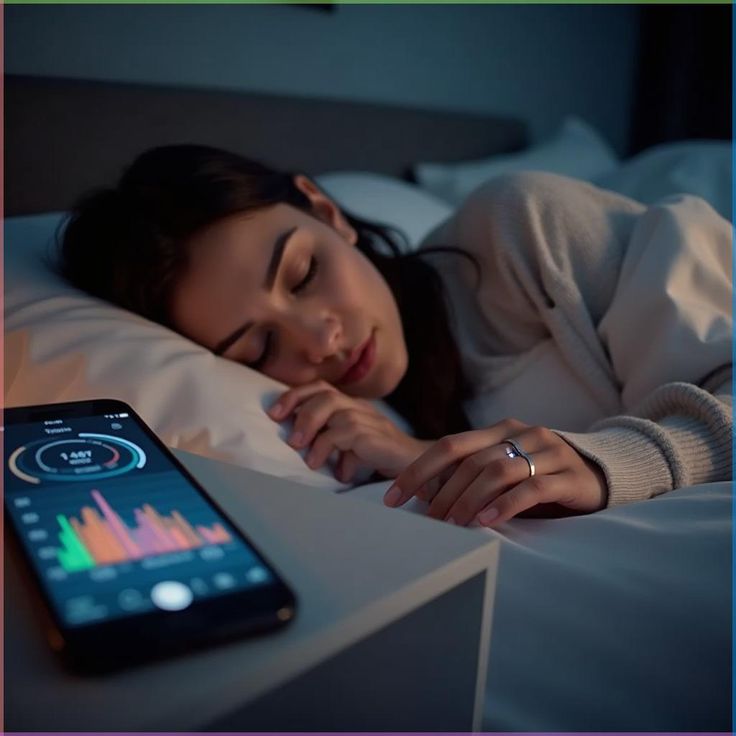
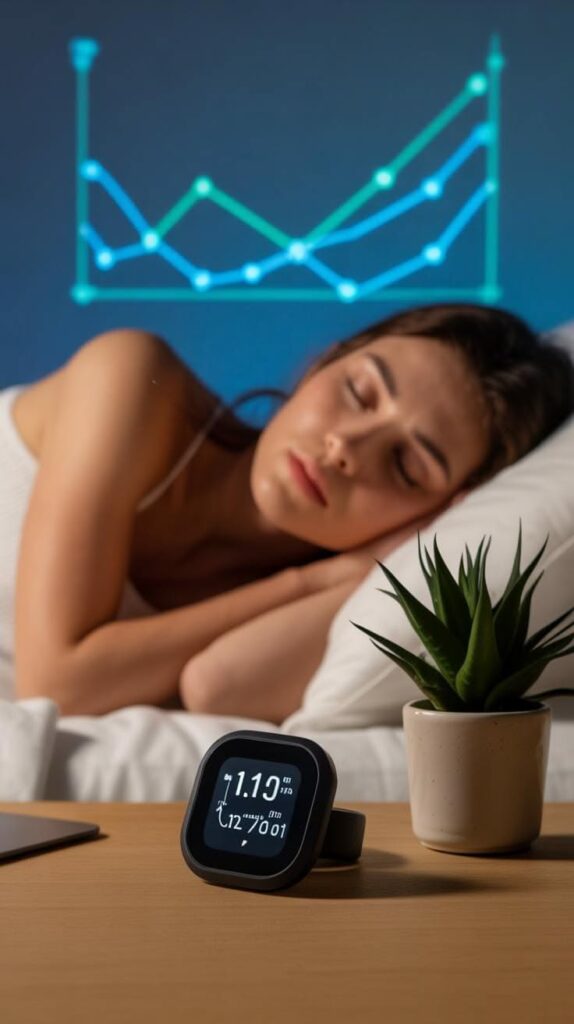
Consumer wearables estimate sleep using movement and heart rate variability a reasonable but imperfect proxy for the EEG-based measurements used in clinical sleep studies. They’re generally fairly accurate at estimating total sleep time and wake/sleep boundaries, but noticeably less accurate at distinguishing specific stages (particularly REM vs. light sleep) compared to clinical equipment. Used loosely, they’re useful for spotting patterns over time like noticing shorter sleep after late caffeine. They aren’t diagnostic tools, though, and becoming anxious about hitting a specific “sleep score” each night can paradoxically make sleep worse. If a tracker consistently flags something concerning (like very low oxygen readings), that’s a reasonable prompt to get evaluated not a diagnosis in itself.
Common Myths
- “Everyone needs 8 hours” the real range is 7–9 for adults, with individual variation based on genetics and health.
- “Alcohol helps you sleep” it shortens time to fall asleep but fragments sleep and suppresses REM in the first half of the night, leaving you less rested.
- “You can catch up on weekends” partially, but it doesn’t fully reverse the metabolic and cognitive effects of sleep debt, and the schedule shift can worsen next week’s sleep timing (“social jet lag”).
- “Older adults need less sleep” need drops only slightly (7–8 hrs vs. 7–9); they just sleep more fragmented, not because they biologically require much less.
- “Melatonin is a sleeping pill” it’s a timing signal, most useful for jet lag and circadian shifts, not a general sedative; its effect on typical insomnia is modest.
- “Sleeping pills solve insomnia” they offer short-term relief but don’t address underlying causes; CBT-I has stronger evidence for lasting improvement.
- “Snoring is always harmless” mild, occasional snoring usually is; loud, habitual snoring with breathing pauses is not, and deserves evaluation.
Quick FAQs
How long should it take to fall asleep? About 10–20 minutes; under 5 minutes regularly can signal sleep deprivation.
Are naps bad? Short naps (20–30 min) earlier in the day are fine; long or late naps reduce sleep pressure and can hurt nighttime sleep.
Is snoring dangerous? Occasional mild snoring is usually harmless; loud, habitual snoring with breathing pauses should be checked for sleep apnea.
Does poor sleep cause weight gain? Yes via increased hunger hormones and cravings, it’s a real contributing factor, not just correlation.
Can you train yourself to need less sleep? Not really people adapt to tolerating sleepiness, but objective performance (memory, reaction time) stays impaired even when it doesn’t feel that way.
Is it normal to wake up during the night? Brief awakenings are normal and usually forgotten; frequent or prolonged ones that affect daytime function are worth mentioning to a doctor.
When should I see a doctor? Persistent insomnia (weeks+), loud snoring with breathing pauses, excessive daytime sleepiness despite enough time in bed, or unusual sleep behaviors (acting out dreams, etc.).
Is melatonin safe to take every night? Short-to-moderate term use is generally well tolerated in adults, but it’s best discussed with a clinician for long-term or pediatric use, since formulation and dosing vary a lot between products.
Why do I feel groggy even after 8+ hours of sleep? This can be “sleep inertia” from waking mid-cycle out of deep sleep, or a sign of poor sleep quality (like undiagnosed sleep apnea) rather than insufficient duration — quality and duration aren’t the same thing.
Can lack of sleep cause weight gain even without eating more? Sleep loss shifts appetite hormones (higher ghrelin, lower leptin) and increases cravings for calorie-dense foods, so it often does lead to eating more, alongside metabolic effects that independently favor fat storage.
Is it bad to sleep with a phone nearby? The main issue is temptation to check it (delaying sleep) and light exposure if the screen lights up; on silent/do-not-disturb with the screen face-down, proximity itself isn’t clearly harmful.
Does everyone dream every night? Yes dreaming occurs across multiple REM periods each night; whether you remember it depends on whether you wake up during or shortly after REM.
Why do I wake up at the same time every night? This often reflects a transition between sleep cycles and is frequently linked to stress, light exposure, or an irregular schedule rather than anything inherently abnormal.
Is caffeine after lunch really a problem? For many people yes caffeine’s half-life is roughly 5–6 hours on average (longer for slow metabolizers), so an early-afternoon coffee can still be partly active at bedtime.
Can poor sleep in one partner affect the other? Yes a restless or snoring bed partner measurably fragments the other person’s sleep in many couples, which is part of why treating conditions like sleep apnea benefits both people, not just the patient.
Key Takeaways
- Sleep is essential, not optional it affects your brain, heart, metabolism, and immune system.
- Most adults need 7–9 hours; consistency matters as much as duration.
- CBT-I, not medication, is the first-line treatment for chronic insomnia.
- Loud snoring with breathing pauses is worth a medical check, not something to ignore.
- The single highest-impact habit: a consistent wake-up time, every day.
Biggest mistakes people make: treating sleep as flexible rather than essential; relying on weekend catch-up sleep instead of daily consistency; dismissing loud snoring as harmless; reaching for sleeping pills before trying CBT-I; using alcohol as a sleep aid.
Red flags that need prompt attention: witnessed breathing pauses with gasping or choking; sudden severe daytime sleepiness with episodes of muscle weakness; acting out dreams in a way that risks injury; and sleep disruption occurring alongside significant mood changes or suicidal thoughts the latter warrants prompt professional mental health support, not just a sleep-focused fix.
A realistic way to start: rather than trying to overhaul everything at once, most people see the biggest, fastest improvement from picking one or two of the strongly supported habits usually a consistent wake time and a caffeine cutoff and holding them steady for two to three weeks before adding more. Sleep habits compound: a stable wake time anchors the circadian rhythm, which in turn makes the evening wind-down and sleep onset noticeably easier, often without any additional changes.
Selected Sources
This guide draws on consensus guidelines and research from the American Academy of Sleep Medicine, National Sleep Foundation, NIH/NINDS, CDC, American Heart Association, Cochrane systematic reviews on CBT-I and melatonin, and peer-reviewed research published in journals including The Lancet, JAMA, NEJM, BMJ, Nature, and Sleep Medicine Reviews.
This article is for general educational purposes and does not replace individualized medical advice. If you have persistent sleep problems, consult a healthcare provider or sleep specialist.
No comment