


What Is Leaky Gut?
Why It Happens and How You Can Fix It
Many of you have recently asked about “leaky gut,” so in this post we’ll cover what it is, why it happens, which health issues it’s been linked to, and most importantly, how you can work on improving it.
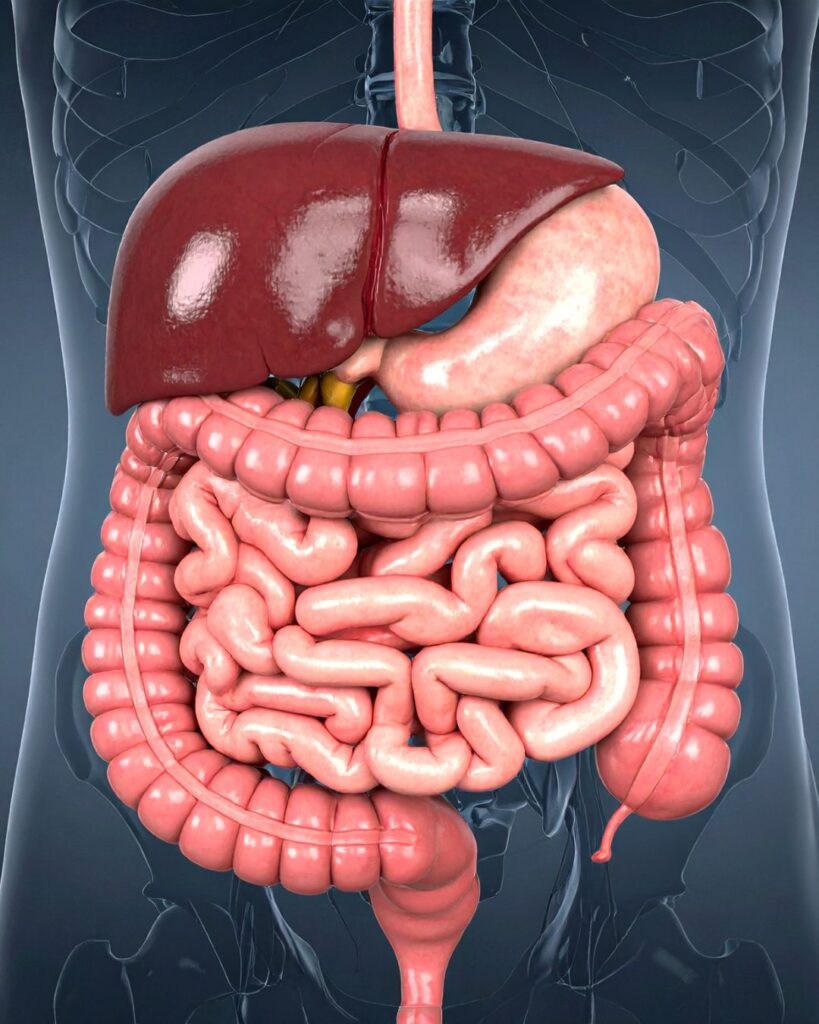
What Is Leaky Gut?
The gut lining is made up of column-shaped cells covered by a layer of mucus. These cells are directly connected to the blood vessels beneath them.
In a healthy gut, when the right nutrients arrive, beneficial bacteria thrive in that environment and help build the protective mucus layer. This mucus acts like a barrier, preventing undigested food particles, toxins, and infectious agents from entering the bloodstream.
But when this mucus layer gets damaged, the spaces between gut cells widen, allowing unwanted substances to leak through into the blood. This is where the term “leaky gut” comes from.
Why Does Leaky Gut Happen?
Several factors can damage the gut lining and disrupt the balance of the gut microbiome:
- High sugar intake, which raises blood sugar by causing insulin resistance
- High carbohydrate intake, even without raising blood sugar
- Alcohol consumption
- Processed foods, due to preservatives, additives, and low-quality oils
- Chronic stress and elevated cortisol
These factors disrupt the balance of gut bacteria, prevent the protective mucus from forming properly, and the sugar/processed foods themselves can directly damage the gut lining.

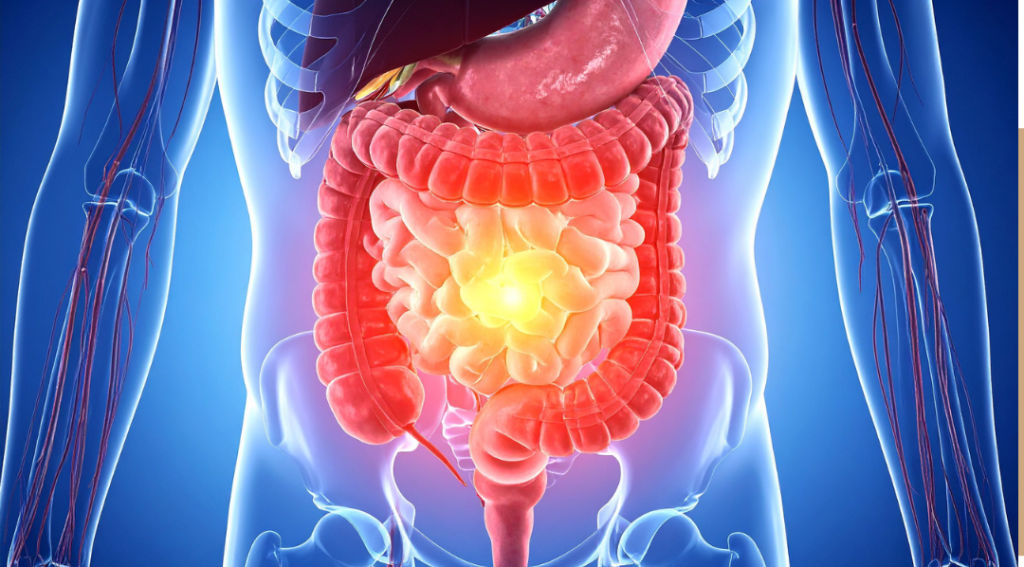
What Health Issues Has Leaky Gut Been Linked To?
When unwanted substances pass from the gut into the bloodstream, the body can mount inflammatory and immune responses that may contribute to a wide range of issues, including:
- Obesity and diabetes, due to disruption of metabolic processes
- Cardiovascular disease
- Autoimmune conditions (since antigens that would normally be filtered out can pass through)
- Neurological issues, mood disorders, and Alzheimer’s (due to interference with neurotransmitters)
- Hormonal imbalances, including hypothyroidism and sex hormone imbalances like PCOS
- Digestive issues such as IBS and increased sensitivity to food allergens
- Skin, digestive, and respiratory allergies
- Increased cancer risk
- Fatty liver disease
- Accelerated aging
How Can You Improve Leaky Gut?
The good news is that leaky gut is something you can work on improving. Here are the key approaches:
- Reduce carbohydrates and starches to help lower blood sugar and reduce insulin resistance
- Cut out processed foods and focus on whole, real foods
- Eat enough fiber, which feeds beneficial gut bacteria and directly supports repair of the gut lining
- Eat healthy fats and omega-3s, which help maintain the gut lining and support beneficial bacteria
- Exercise regularly to support healthy cellular function and overall health
- Manage stress, since cortisol is one of the biggest contributors to gut lining damage
Summary
Leaky gut essentially comes down to a breakdown of the gut’s protective mucus layer and an imbalance in the gut microbiome — something that’s been linked to a wide range of health issues, but that can be improved through lifestyle and dietary changes. A few key habits, cutting back on sugar and carbs, avoiding processed foods, getting enough fiber and healthy fats, exercising, and managing stress, play a key role in repairing the gut lining and supporting overall gut health.
This post is for educational and informational purposes only and is not a substitute for professional medical advice. Please consult your doctor for diagnosis and treatment of any condition.
No comment