


Which Types of Dietary Fats Are Healthiest?
A Guide to the Best Sources of Healthy Fats for Well-being
In recent years, public awareness about the role of fats in a healthy diet has increased significantly. Unlike the past, when fats were generally viewed as harmful, today we understand that the type of fat consumed plays a critical role in heart health, brain function, and metabolic performance. In this article, we’ll explore some of the best sources of healthy fats and identify which fats to avoid.
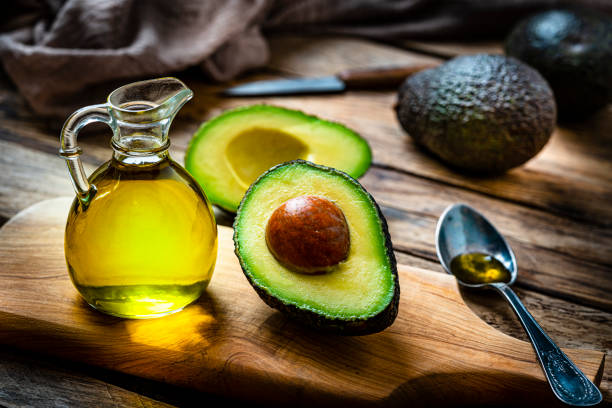
Avocado Oil: A Blend of Flavor and Health
Avocados are a natural source of healthy fats, and avocado oil is packed with oleic acid, vitamin E, and anti-inflammatory compounds. It has a high smoke point, making it great for cooking.
Ideal for light frying and sautéing
Supports absorption of fat-soluble vitamins
Promotes skin and eye health
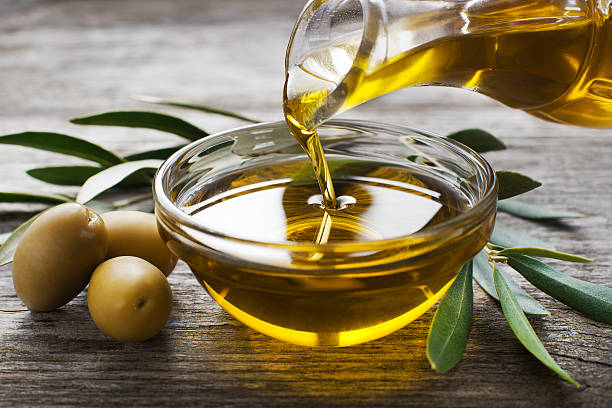
Extra Virgin Olive Oil: The Mediterranean Liquid Gold
Extra virgin olive oil is one of the healthiest plant-based fats, widely used in the Mediterranean diet. It’s rich in oleic acid (a monounsaturated fat) and powerful antioxidants such as polyphenols. Its benefits include:
Reducing inflammation
Supporting cardiovascular health
Enhancing brain function
Important Note: To gain the full benefits, choose high-quality extra virgin olive oil and consume it raw or at low temperatures.

Butter and Ghee: Traditional Choices with Nutritional Value
Butter and ghee (clarified butter, known as “Kermanshahi oil” in Iran) are animal-based fats that can be rich in fat-soluble vitamins (A, D, E, K) and butyric acid especially when sourced from grass-fed animals.
Ghee contains less lactose and casein than butter
Highly stable at high temperatures
Ideal for traditional cooking
Coconut Oil: A Unique and Controversial Option
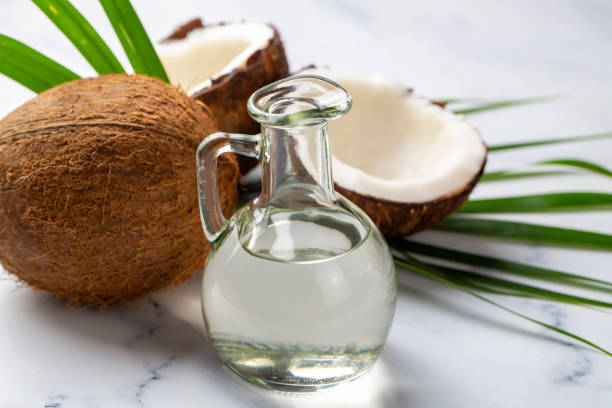
Coconut oil contains medium-chain triglycerides (MCTs), which are rapidly metabolized and used by the body for energy. Although classified as a saturated fat, moderate consumption may offer some benefits.
Provides quick energy
Has antibacterial and antifungal properties
Suitable for light cooking and skin/hair care
Caution: Due to its high saturated fat content, it should be consumed in moderation.


Fish Oil & Omega-3s: Essential Fats for Brain and Heart
Oils from fatty fish such as salmon, sardines, and mackerel are rich in omega-3 fatty acids. These essential fats play a vital role in brain health, reducing triglycerides, and fighting inflammation.
Recommended intake: 2–3 servings of fatty fish per week
Or high-quality omega-3 supplements, under medical guidance
Unhealthy Fats: Avoid Industrial Seed Oils
Unlike the beneficial fats above, industrial seed oils like sunflower, corn, canola, and soybean oil are often imbalanced in their omega-6 to omega-3 ratio. Excessive intake may contribute to chronic inflammation.
Extracted through industrial heat-based methods
Unstable at high heat
Linked to metabolic disorders with long-term use
When it comes to dietary fat, quality and source matter. Natural fats with minimal processing especially those derived from healthy plant and animal sources can play a vital role in promoting overall health. For optimal results, aim for a balanced and varied intake of good fats in your daily nutrition.
[…] Healthy fats are very important, at around 20 to 25, up to 30 grams per day. Remember that good fats mainly include coconut oil, olive oil, avocado oil, and healthy animal fats. Most plant-based oils that are hydrogenated become trans fats, and these are a primary cause of leaky gut and one of the key factors linked to chronic inflammation. […]
[…] healthy fats: olive oil, avocado, chia and flax seeds, fatty fish, and natural cholesterol […]
[…] overall health and proper digestive function. Unlike other nutrients such as proteins and fats, which provide energy, fiber is mostly indigestible but offers numerous health […]