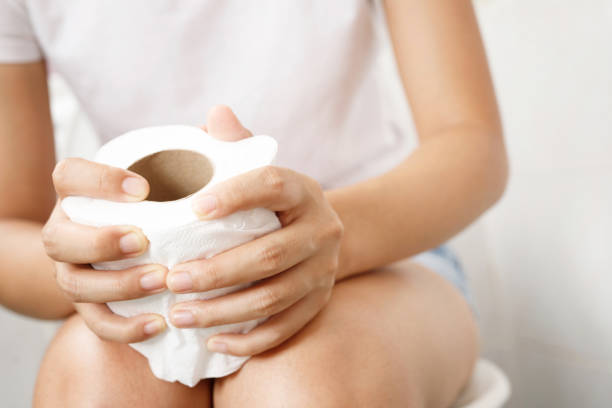
Constipation is defined as having fewer than three bowel movements per week, often accompanied by hard, dry stools and painful defecation. It is one of the most common gastrointestinal problems and can significantly affect quality of life.
Causes
The most common causes of constipation are often related to lifestyle and diet:
Low dietary fiber intake: High consumption of processed and ready-made foods reduces fiber intake.
Physical inactivity: Sedentary lifestyle and prolonged sitting decrease bowel motility.
Ignoring the urge to defecate: Busy schedules may prevent timely response to the natural urge.
Medications: Certain drugs, including antihypertensives and painkillers, may cause constipation.
Medical conditions: Diabetes and some hormonal disorders can contribute to constipation.
Prevention and Management Strategies
To improve bowel function and relieve constipation, the following strategies are recommended:
Adequate Hydration
Drink at least 2 liters of water per day to soften stools and support bowel movements.
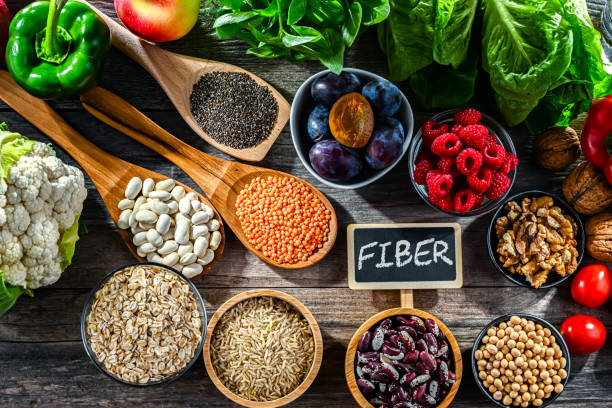
Consume 30–40 grams of fiber daily. Studies indicate that approximately 90% of people consume much less than the recommended amount. Effective fiber sources include:
Vegetables and fruits
Chia seeds
Whole grains
Both soluble and insoluble fibers help improve bowel function.
These interventions should ideally be combined with lifestyle modifications and used for 1–2 weeks to establish regular bowel habits, then gradually reduced.
Natural Cleansing Method
Mix 2 teaspoons of salt and lemon in warm water and drink on an empty stomach. This can stimulate bowel movements within approximately 30 minutes.
Establish a Routine
Maintain regular defecation times and dedicate at least 30 minutes to allow complete evacuation.
Summary
Constipation is a common gastrointestinal issue influenced by diet, lifestyle, medications, and medical conditions. Effective management includes:
Adequate hydration
High-fiber diet
Regular physical activity and yoga
Establishing routine bowel habits
Using probiotics, prebiotics, and certain fruits
In acute cases, short-term laxatives or natural remedies may be used to re-establish regularity. Developing consistent bowel habits is the key to long-term prevention of constipation.








[…] Costipation […]