Iron Deficiency: Causes, Symptoms, and How to Address It
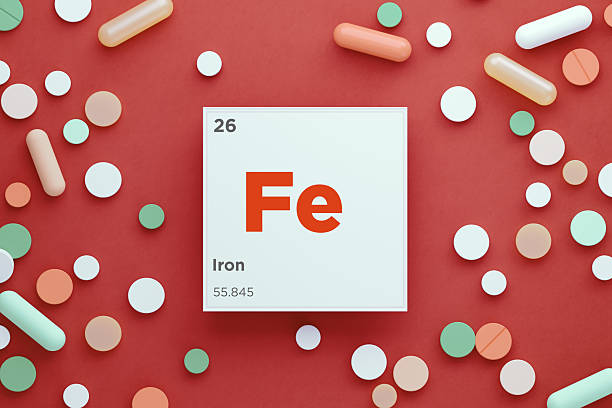
Iron is a vital mineral that plays a key role in essential bodily functions such as oxygen transport, energy production, and metabolic regulation. Iron deficiency is one of the most common nutritional deficiencies worldwide, affecting individuals across all age groups and genders.
Why Do We Develop Iron Deficiency?
Iron deficiency typically arises due to one or more of the following factors:
1. Inadequate Iron Intake
This is more commonly seen in infants and young children. Breast milk alone does not provide enough iron to meet the rapid growth needs of infants, especially before the introduction of iron-rich solid foods.
2. Increased Iron Requirements
Certain physiological or medical conditions increase the body’s need for iron, including:
Pregnancy, due to the development of the fetus and placenta
Chronic inflammation, which impacts metabolic balance and blood sugar regulation
3. Iron Loss
Blood loss is one of the most significant causes of iron deficiency, commonly due to:
Heavy menstrual bleeding in women
Gastrointestinal bleeding, such as ulcers or inflammatory bowel disease
4. Impaired Iron Absorption
Certain gastrointestinal disorders (e.g., celiac disease) or surgeries can impair the absorption of iron in the intestines.
The Role of Iron in the Body
Iron is essential for the proper function of several proteins, including:
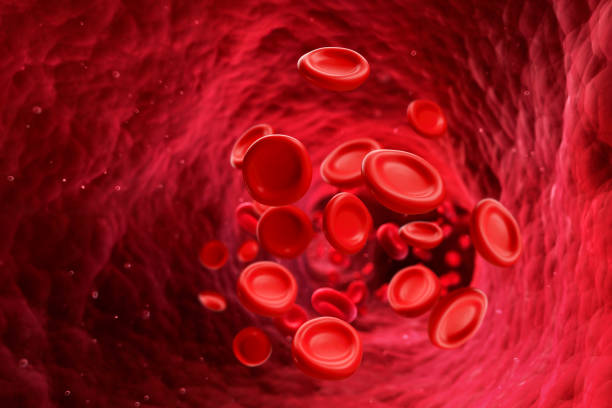
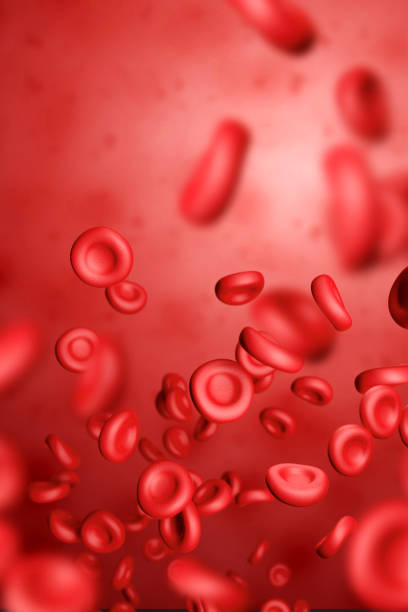
Hemoglobin: Iron is a core component of hemoglobin in red blood cells, which carries oxygen from the lungs to tissues throughout the body.
Myoglobin: In muscle tissue, iron is part of myoglobin, a protein that helps muscles use oxygen effectively during physical activity.
How Do You Know If You Have Iron Deficiency?
Common symptoms of iron deficiency include:
Pale skin
Fatigue and general weakness
Lack of energy and motivation
Irritability
Rapid or irregular heartbeat
Brittle or spoon-shaped nails
If you notice these symptoms, it’s important to consult a healthcare provider. Your doctor will assess your medical history (including diet, menstrual patterns, and stool color) and may order the following diagnostic tests:
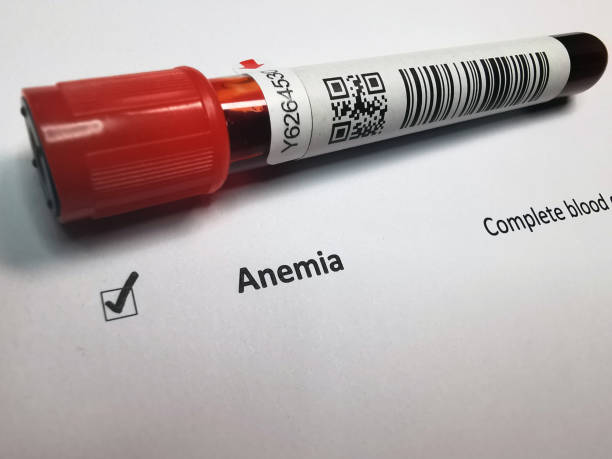
Complete Blood Count (CBC) to check hemoglobin and red blood cell indices
Serum Iron, Ferritin (iron storage levels), and Total Iron Binding Capacity (TIBC)
Stool occult blood test (performed over three samples) to detect hidden gastrointestinal bleeding
If the initial tests don’t identify the cause, you may be referred to specialists such as:
Gastroenterologist for endoscopy or colonoscopy
Gynecologist for reproductive system evaluations
Hematologist or Pathologist for bone marrow analysis and specialized diagnostics
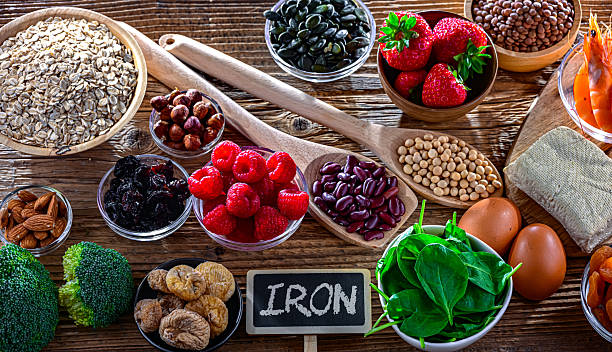
Dietary Sources of Iron
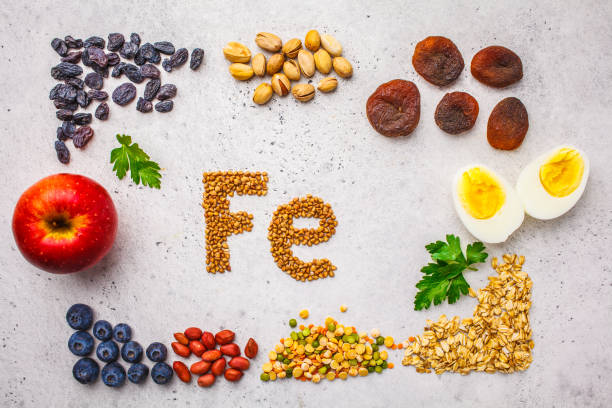
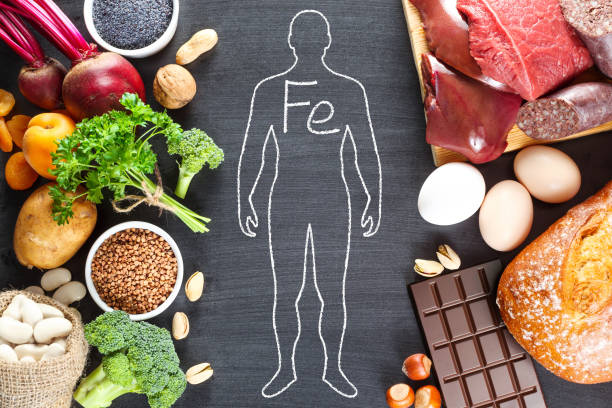
Iron comes in two main forms in food: heme iron (animal-based, better absorbed) and non-heme iron (plant-based, less easily absorbed).
Animal Sources (highly absorbable):
Red meat
Liver and organ meats
Eggs
Plant Sources (lower absorption):
Spinach
Broccoli
Legumes
Nuts and seeds
Tip: Consuming foods rich in vitamin C (e.g., oranges, tomatoes, bell peppers) alongside plant-based iron sources can significantly enhance absorption.
Conclusion
Iron deficiency can negatively affect energy levels, cognitive function, and overall health. Early detection and appropriate treatment through dietary changes or supplementation are essential to prevent long-term complications. If you suspect you may have low iron levels, consult a healthcare professional for proper evaluation and management.




No comment