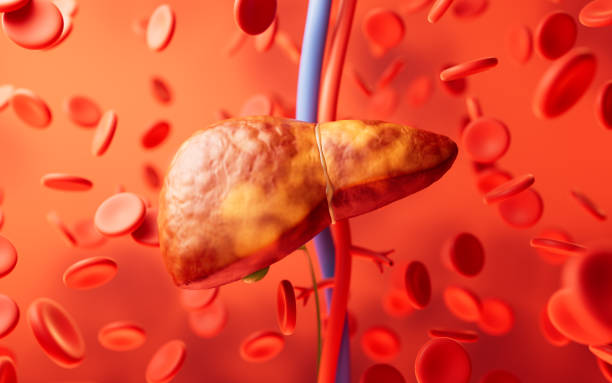
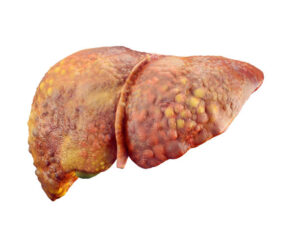
Fatty liver disease (Hepatic Steatosis) is a condition characterized by the excessive accumulation of fat within liver cells. While often asymptomatic in its early stages, it can progress to chronic inflammation, fibrosis, cirrhosis, and even liver failure if left untreated.
Common Causes of Fatty Liver
Several factors can contribute to the development of fatty liver, the most common of which include:
Alcohol Consumption: Chronic alcohol intake is a leading cause of fatty liver, as it increases fat deposition in liver cells and causes direct cellular damage.
Poor Diet and High Sugar/Caloric Intake: Excessive consumption of sugary foods, simple carbohydrates, and processed meals leads to elevated triglyceride levels and fat accumulation in the liver. This is particularly common in individuals with insulin resistance and obesity.
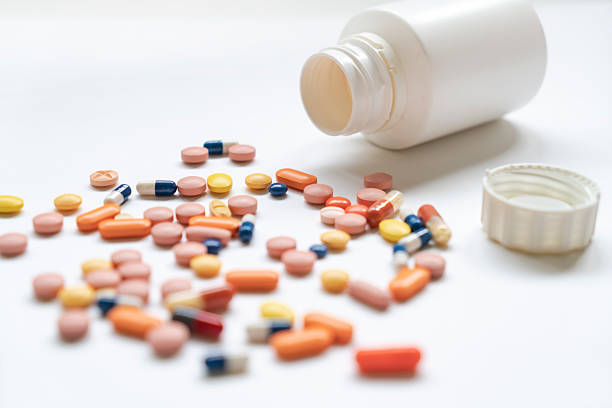
Exposure to Toxins and Certain Medications: Some medications (e.g., corticosteroids, tetracyclines) and additives in processed foods may contribute to liver fat buildup or liver cell injury.
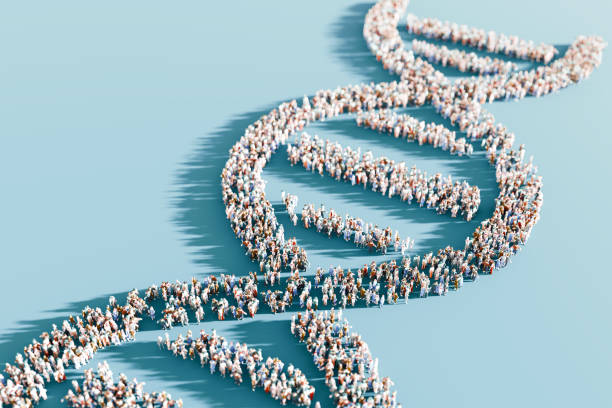
Genetic Predisposition: A family history of fatty liver disease or metabolic disorders can increase susceptibility.
Prevention and Treatment
The good news is that non-alcoholic fatty liver disease (NAFLD) is largely reversible in its early stages through lifestyle changes. Key strategies include:
Complete cessation of alcohol consumption
Adopting a healthy diet:
Reducing intake of simple sugars, sugary beverages, and highly processed foods
Increasing dietary fiber through fruits, vegetables, and whole grains
Incorporating healthy protein sources such as lean meats, legumes, and fish
Consuming beneficial fats, especially omega-3 fatty acids (e.g., from fatty fish, flaxseeds, walnuts)
If fatty liver disease progresses unchecked, it may lead to:
Non-Alcoholic Steatohepatitis (NASH): A more severe form involving liver inflammation and potential fibrosis.
Liver Cirrhosis: Advanced scarring of liver tissue, which can lead to irreversible damage and liver dysfunction.
Increased risk of systemic complications: Including cardiovascular disease, type 2 diabetes, and other metabolic disorders.
Conclusion
Fatty liver disease is a growing but largely preventable health concern. Early detection combined with dietary improvements, alcohol cessation, regular exercise, and weight management can significantly reverse or halt disease progression.





No comment