


What Is Sinusitis and How Does It Develop?
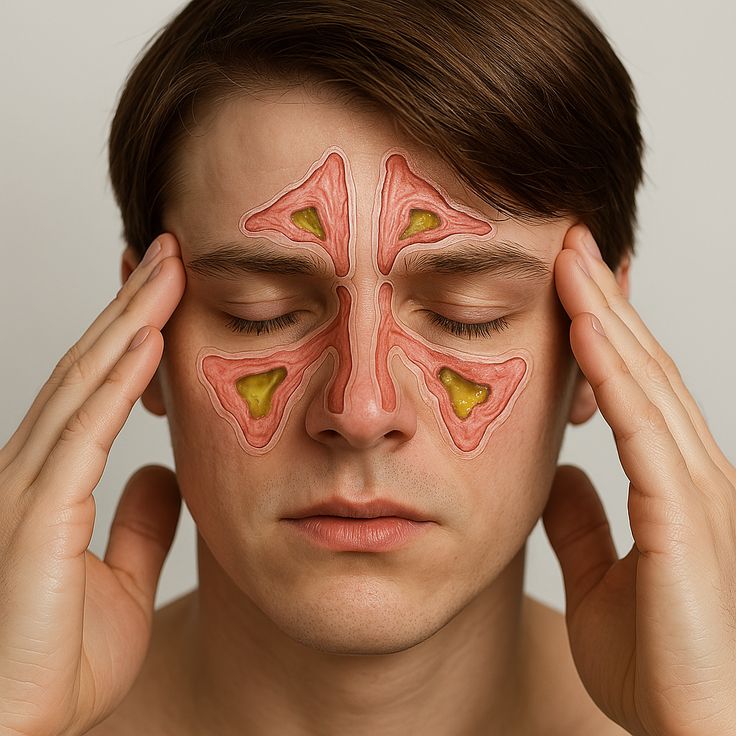
Sinusitis, or inflammation of the sinus cavities, is a common condition that often begins with a simple cold. If not managed correctly, it can progress to chronic inflammation and repeated infections. Understanding how sinusitis develops and how to prevent it is essential for effective treatment.
What Are the Sinuses?
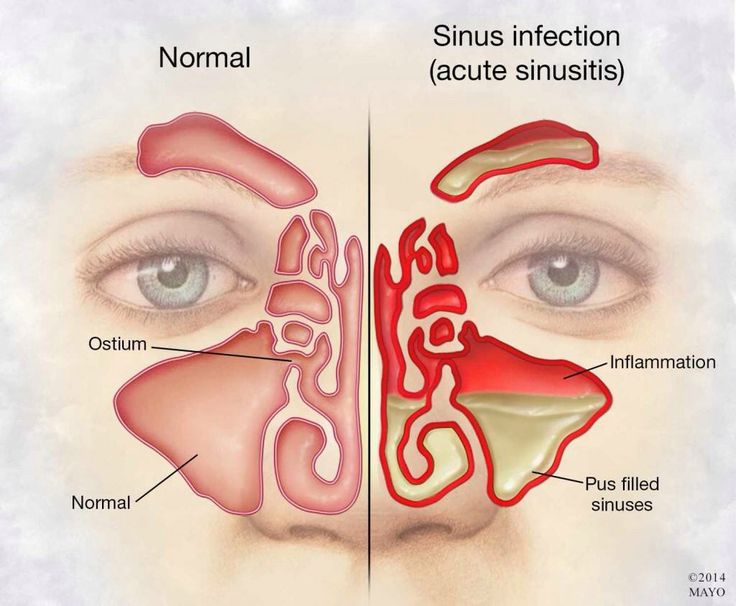
Sinuses are air-filled cavities located in the forehead, cheeks, and around the nose. These cavities are connected to the nasal passages and their main functions include:
Draining mucus into the nose
Moisturizing and warming inhaled air
Reducing the weight of the skull
Supporting voice resonance
When these drainage pathways are open, mucus flows normally and no symptoms occur.
How Does Sinusitis Develop?
During viral infections, such as the common cold, or due to allergies, the nasal and sinus linings become swollen. This swelling can:
Block the drainage pathways
Trap mucus inside the sinuses
Create pressure and pain
Provide an environment for bacteria to grow
If this blockage persists, a simple viral sinus inflammation may progress to bacterial sinusitis, which often requires antibiotic treatment.
Symptoms of Acute and Chronic Sinusitis
Sinusitis usually begins with cold-like symptoms and may progress to:
Headache, especially around the forehead or eyes
Nasal congestion
Thick nasal discharge or post-nasal drip
Fever
Facial pressure or heaviness
Reduced sense of smell
Chronic or Recurrent Sinusitis
In recurrent or long-lasting cases:
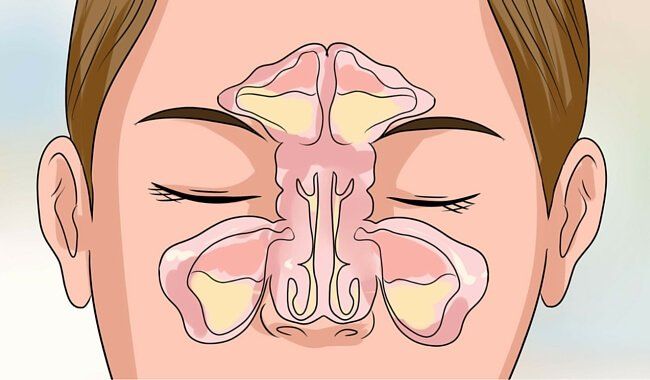
The sinus lining becomes thickened, making recovery slower
Episodes occur more frequently
Symptoms may last for weeks or months
Additionally, structural issues such as deviated septum or naturally narrow sinus drainage pathways can cause repeated or persistent sinusitis.

Prevention and Treatment Strategies
The primary goal in treating sinusitis is to open the drainage pathways and reduce inflammation. Effective strategies include:
1. Regular Nasal Irrigation
Rinse the nose with warm saline or normal saline solution
Ideally start from the first day of cold symptoms
Helps clear mucus and reduce swelling
Note: Nasal decongestant drops should be used cautiously, as overuse may cause dependence or raise blood pressure.
2. Adequate Hydration
Drinking plenty of water and warm fluids helps thin mucus and promotes drainage.
3. Avoiding Triggers
Certain foods and environmental factors can worsen inflammation:
Spicy foods
Melon and kiwi
Alcohol
Cigarettes and secondhand smoke
4. Warm Steam Inhalation
Steam helps moisturize the airways, reduce congestion, and soothe sinus pain.
5. Medications
With a physician’s recommendation:
Antihistamines (especially in allergy-related cases)
Pain relievers and fever reducers
Antibiotics when bacterial infection is suspected
Management of Chronic Sinusitis
When symptoms become persistent or recurrent:
Antibiotic therapy may be required
Specialized sinus irrigation by an ENT specialist
Endoscopic sinus surgery in cases of structural blockage (e.g., deviated septum, narrow sinus openings)
These interventions help maintain open drainage pathways and prevent recurrence.
Conclusion
Sinusitis often begins with simple inflammation during a cold but can progress to a chronic and recurring condition if left untreated. Effective control includes:
Regular nasal rinsing
Staying hydrated
Avoiding dietary and environmental triggers
Using steam inhalation
Treating colds promptly
Seeking medical evaluation when symptoms persist
No comment