

Menopause: A Complete, Evidence-Based Guide from Perimenopause to the Years After

Menopause is not a disease. It is a natural stage of life. But its symptoms can affect sleep, mood, relationships, work and long-term health. Over the past twenty years, much of what the public has heard about hormone therapy was incomplete or outdated. This guide walks through every stage, from perimenopause to the years after menopause, using the latest guidelines from leading medical organizations.
Key points at a glance
- Menopause is defined as 12 consecutive months without a period, when no other cause explains it. The average age is about 51.
- The transition (perimenopause) can last several years, and symptoms often begin well before periods stop completely.
- Hot flashes and night sweats are the most common symptoms. According to ACOG, between 50% and 92% of women experience them during this stage.
- Under the 2026 guidelines of the American College of Obstetricians and Gynecologists (ACOG) and the American College of Physicians (ACP), systemic hormone therapy is the most effective treatment for hot flashes and is a first-line option for eligible women.
- The best time to start hormone therapy is before age 60 or within 10 years of menopause onset.
- Hormone therapy is not recommended to prevent heart disease or dementia. Its main goals are controlling symptoms and, in specific cases, protecting bone.
- Current evidence does not support herbal supplements or phytoestrogens (such as soy isoflavones) for menopausal symptoms.
What exactly is menopause?
Menopause is the point at which the ovaries stop releasing eggs on a regular schedule and the production of estrogen and progesterone drops markedly. Clinically, it is diagnosed after 12 full months without a period. That means the exact date can only be identified looking back.
A few terms are worth knowing:
- Perimenopause (the menopausal transition): the years when hormone levels fluctuate and periods become irregular. Symptoms usually begin here.
- Menopause: the point when you have gone 12 months without a period.
- Postmenopause: all the years afterward. Women spend roughly one third of their lives in this stage.
- Premature ovarian insufficiency (POI): loss of normal ovarian function before age 40, also called premature menopause.
- Early menopause: menopause between ages 40 and 45.
- Surgical menopause: menopause caused by surgical removal of both ovaries. Symptoms are usually more sudden and more severe.
Perimenopause: the years before menopause
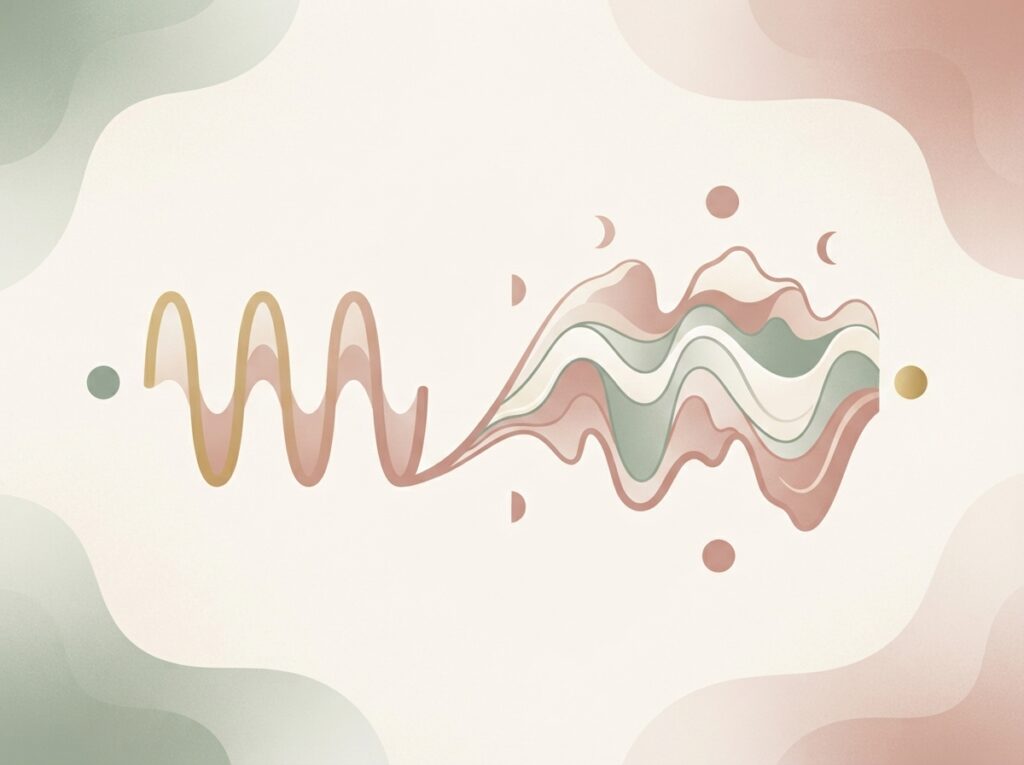
Many women assume menopausal symptoms begin after periods stop, but most women start noticing them years earlier. In perimenopause, estrogen does not simply decline. It rises and falls unpMenopause is not a disease. It is a natural stage of life. But its symptoms can affect sleep, mood, relationships, work and long-term health. Over the past twenty years, much of what the public has heard about hormone therapy was incomplete or outdated. This guide walks through every stage, from perimenopause to the years after menopause, using the latest guidelines from leading medical organizations.redictably, and these swings are behind many of the symptoms. In SWAN, a large study that followed American women for years, hot flashes lasted a median of about seven years, and in some women, especially those whose symptoms began during perimenopause, they continued for more than ten years.
Common signs of perimenopause:
- Irregular cycles: shorter or longer gaps between periods, changes in flow, skipped periods
- Hot flashes and night sweats
- Sleep problems
- Mood changes such as irritability, anxiety or low mood
- Palpitations
- Headaches or migraines that may get worse
Which symptoms need medical evaluation? Very heavy bleeding, bleeding between periods, bleeding after sex, and any vaginal bleeding after menopause should always be checked by a doctor, because the cause may be in the uterus and should not automatically be blamed on hormones.
Pregnancy is also still possible during perimenopause. If you do not want to become pregnant, keep using contraception until 12 months after your last period if you are over 50, and discuss the exact timing with your doctor.
Diagnosis: do you need a blood test?
In women over 45 who have symptoms and changing periods, perimenopause and menopause are diagnosed from symptoms and history, and a hormone test is usually unnecessary. The reason is that hormone levels, such as FSH, swing from day to day in perimenopause, so a single normal result does not rule anything out. Testing is useful in these situations: women under 40 whose periods stop, women aged 40 to 45 with symptoms, and cases where another cause such as a thyroid problem or pregnancy is suspected.
Menopausal symptoms and how they are treated
Hot flashes and night sweats (vasomotor symptoms)
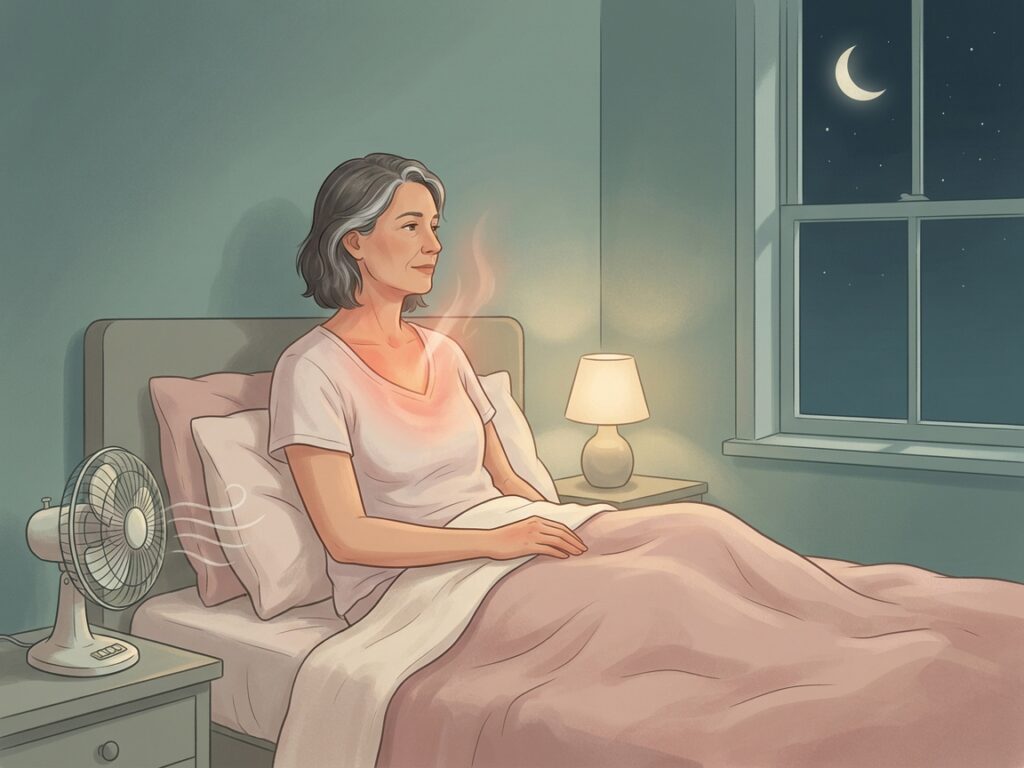
A hot flash is a sudden feeling of heat in the upper body, face and neck, often with sweating, flushing and sometimes a racing heart. When it happens at night it is called a night sweat, and it can disrupt sleep. The cause appears to be altered function of the brain’s temperature control center in response to falling estrogen.
Hot flashes are not just an annoyance. They can seriously affect quality of life, concentration, work performance and mental health.
Sleep problems
Sleep disruption is linked directly to hormonal changes and indirectly to night sweats. ACOG’s 2026 guideline specifically recommends hormone therapy for sleep disturbance caused by hot flashes. Chronic insomnia can also be treated with good sleep habits and cognitive behavioral therapy for insomnia (CBT-I).
Mood changes
The risk of depressive symptoms and anxiety is higher during perimenopause, especially in women with a history of depression or sensitivity to hormonal shifts, such as postpartum depression or severe premenstrual symptoms. An important point: according to ACOG, current evidence is not sufficient to recommend for or against hormone therapy as a treatment for menopausal depression. If depression is the main symptom or you meet the criteria for major depressive disorder, it should be treated according to standard depression guidelines (medication and psychotherapy) and not simply attributed to menopause.
Brain fog and memory
Many women report mild forgetfulness and trouble concentrating. These changes are real, but in most cases they are temporary and do not signal the start of dementia. If memory loss is severe or interferes with daily functioning, see a doctor.
Genitourinary syndrome of menopause (GSM)
Lower estrogen makes vaginal and urinary tissues thinner and drier. This group of changes is called genitourinary syndrome of menopause and includes vaginal dryness and burning, pain during sex, urinary urgency and recurrent urinary tract infections. Unlike hot flashes, these symptoms usually do not improve on their own and tend to worsen over time. The good news is that effective treatments exist: moisturizers and lubricants to start, and low-dose vaginal estrogen (cream, tablet or ring), which is absorbed into the body only in very small amounts and is a suitable option for many women, even some who do not use systemic hormone therapy. ACOG plans to publish separate guidance on GSM in 2027.
Weight and body composition
Around midlife, with falling estrogen and loss of muscle mass, more fat is stored around the abdomen. This pattern is associated with a higher risk of diabetes and heart disease and is a key reason for resistance training and good nutrition at this stage.

Menopausal hormone therapy (MHT)
The story of a great fear
In the 1990s, more than one in four American women took hormone therapy, on the assumption that it also protected against heart disease and dementia. Then, in 2002, results of the large Women’s Health Initiative (WHI) trial linked a combination of estrogen and progestin to higher risks of stroke, blood clots and breast cancer. Prescriptions fell sharply, and from 2003 a boxed warning, the strongest kind of label warning, was added to these drugs.
Later analyses gave a more accurate picture. A key problem was that the average age of WHI participants was about 63, meaning many were years past menopause, which differs from women who start treatment near the onset of menopause. A new analysis of WHI data found that women in their 50s who took estrogen had no increased risk of heart problems, while women in their 70s did. This idea is called the timing hypothesis: when treatment starts matters for the balance of benefit and risk.
Where things stand today: the 2025 and 2026 updates
In November 2025, the US Food and Drug Administration (FDA) announced it would remove references to cardiovascular disease, breast cancer and probable dementia from the boxed warnings on menopausal hormone therapy products, and approved updated labeling for the first products in February 2026. The boxed warning about endometrial cancer remains for systemic estrogen-only products. To be accurate, this decision was supported by some experts and criticized by others, who objected to how the review was conducted. JoAnn Manson of Harvard Medical School stressed that the evidence for broad overall health benefits of hormone therapy is not as conclusive as some officials described.
In October 2026, the American College of Physicians (ACP) and then the American College of Obstetricians and Gynecologists (ACOG) published new guidelines. Both consider systemic estrogen (with a progestogen in women who have a uterus) the most effective treatment for hot flashes. ACOG gives hormone therapy a strong recommendation for hot flashes and the sleep disturbance they cause in women without contraindications. The detailed 2025 recommendations of the International Menopause Society (IMS) and the 2026 statement of the European Menopause and Andropause Society (EMAS) also favor individualized, evidence-based care.
An important difference from the past: older guidelines said use the lowest dose for the shortest time, while the 2026 guidelines emphasize shared, individualized decision-making between doctor and patient.
What are the benefits of hormone therapy?
- Fewer hot flashes and night sweats: it is the most effective treatment available.
- Better sleep in women whose sleep is disrupted by hot flashes.
- Treatment of genitourinary symptoms (with local vaginal forms).
- Prevention of bone loss: hormone therapy is approved for preventing bone loss, and in the WHI trial it reduced fracture risk.
Risks and limitations
- Endometrial cancer: estrogen alone raises the risk in women who have a uterus, which is why a progestogen must be added. Women who have had a hysterectomy usually do not need one.
- Breast cancer: in the WHI trial, the estrogen plus progestin combination was associated with a small increase in risk. The absolute increase is small, on the order of fewer than one extra case per 1,000 women per year, and estrogen alone did not show an increased risk in that trial. Even so, women with a history of breast cancer are generally not candidates for hormone therapy, and individual risk should be assessed before starting.
- Blood clots (venous thromboembolism): oral estrogen raises the risk. Observational studies suggest that estrogen delivered through the skin (patch, gel or spray) appears to carry less or no added risk, so the skin route is often preferred in women with clot risk.
- Heart disease and stroke: in women who start before age 60 or within 10 years of menopause, the balance of benefit and risk is generally favorable. Starting at older ages carries more risk.
Who should not take hormone therapy?
Systemic hormone therapy is generally not recommended in these situations: vaginal bleeding without a known cause, a history of or current breast cancer or estrogen-dependent endometrial cancer, a history of blood clots, stroke or heart attack, active liver disease, and certain clotting disorders. Only your doctor, after reviewing your full history, can determine the complete list for you.
Types of hormone therapy
- Estrogen alone: for women who do not have a uterus.
- Estrogen plus progestogen: for women with a uterus (pill, patch, or a levonorgestrel IUD for the progestogen part).
- Conjugated estrogens with bazedoxifene: ACOG suggests it as an alternative to estrogen plus progestogen.
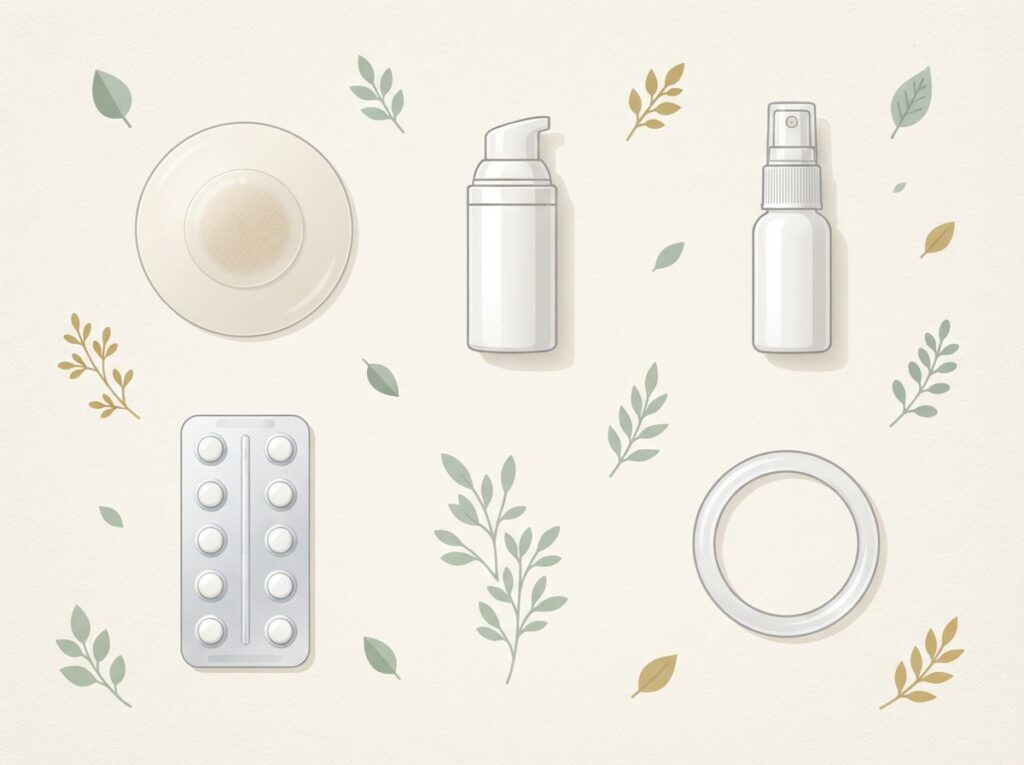
- Forms: pills, patches, gels, sprays, and local vaginal forms.
Not all products are equal. Custom compounded hormones made by specialty pharmacies and sometimes marketed as bioidentical do not have the safety and quality oversight of standard approved drugs and should not be confused with them.
How long should hormone therapy continue?
There is no single duration that fits everyone. Current guidelines say the decision to start and to stop should be made jointly by doctor and patient and revisited over time as risks and symptoms change. Continuing after age 60 may be appropriate if symptoms persist and the individual assessment supports it. Persistent or unexpected bleeding after starting treatment should be evaluated.
Non-hormonal treatments
Some women cannot or do not want to take hormone therapy. Options with good evidence include:
- Antidepressants (SSRIs and SNRIs): such as low-dose paroxetine and venlafaxine. ACOG strongly recommends them for women with hot flashes or depressive symptoms who do not want or cannot take hormone therapy. If you take tamoxifen, some of these drugs interact with it, so consult your doctor.
- Newer non-hormonal drugs (neurokinin receptor antagonists): fezolinetant (Veozah) and elinzanetant (Lynkuet). They act directly on the brain pathway that regulates body temperature. Fezolinetant requires liver function monitoring.
- Gabapentin: when other options are ineffective or not tolerated.
Non-drug approaches
ACOG recommends exercise, cognitive behavioral therapy, mindfulness-based interventions, clinical hypnosis and acupuncture for one or more menopausal symptoms (hot flashes, sleep, mood and anxiety). These can be used alone but work best alongside medication. To be fair, the evidence for some, such as acupuncture, is more limited. In women with overweight, weight loss may also help reduce hot flashes.
Herbal supplements and phytoestrogens
Products based on soy and isoflavones, black cohosh, essential oils and so-called hormone balance supplements are heavily marketed. ACOG states that current evidence does not support phytoestrogens or herbal supplements for hot flashes or other menopausal symptoms, and that these products have not been tested for safety, efficacy or purity. This does not mean eating soy foods is harmful. Soy as food is part of a healthy diet. You just should not expect it to treat hot flashes like a medicine.
Long-term health after menopause
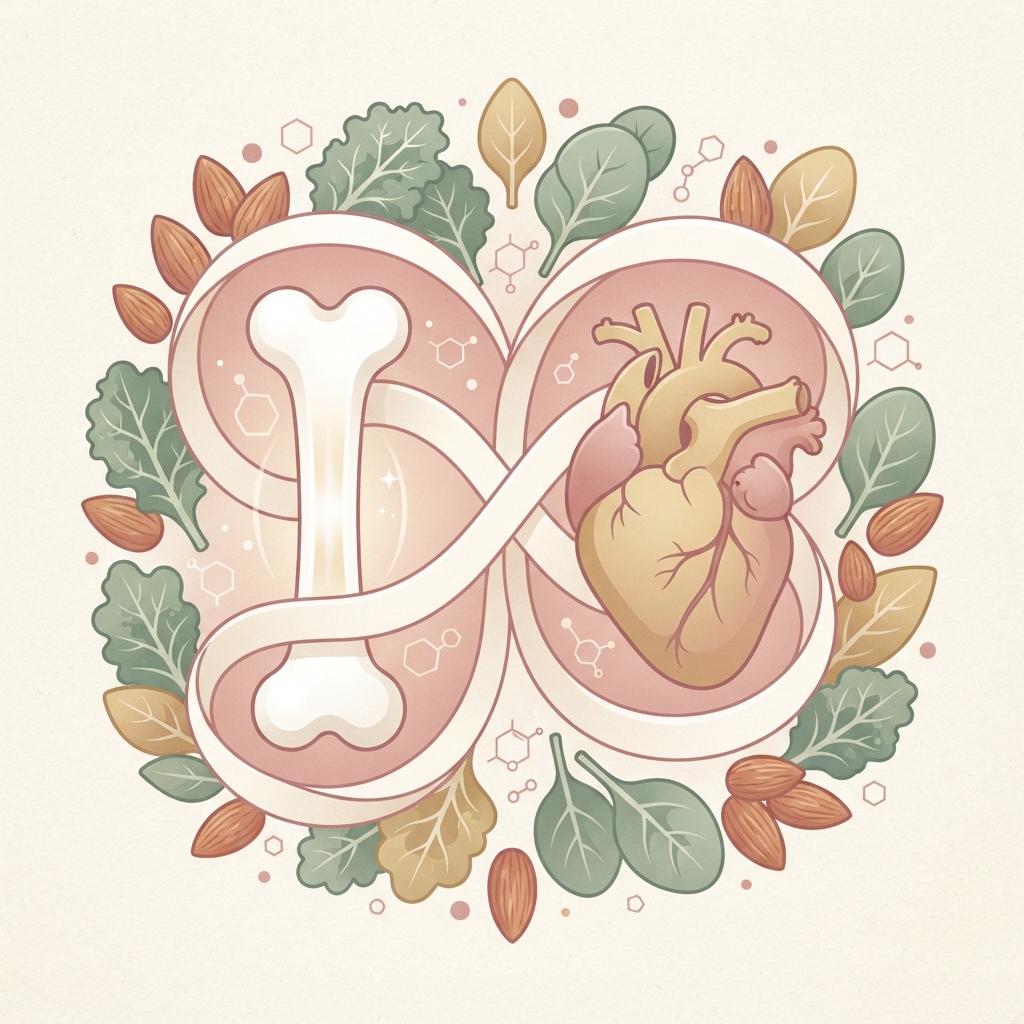
Falling estrogen affects more than symptoms. It also influences long-term health.
Bones
Bone loss speeds up in the years around menopause and raises the risk of osteoporosis and fractures. Proven strategies:
- Regular weight-bearing and resistance exercise
- Enough calcium, vitamin D and protein from diet, with supplements if needed after testing and medical advice
- Not smoking and limiting alcohol
- Bone density testing (DEXA) as your doctor advises, usually from age 65 and earlier if you have risk factors
- Bone-specific medications when osteoporosis or high fracture risk is present
Heart and blood vessels
Cardiovascular disease is the leading cause of death in women, and the risk rises after menopause. LDL cholesterol, blood pressure and abdominal fat tend to increase. A key point: hormone therapy is not recommended to prevent heart disease. Real prevention comes from controlling blood pressure, cholesterol and blood sugar, not smoking, regular exercise, enough sleep and a Mediterranean-style diet. Start these checks at the beginning of midlife.
Brain and memory
Hormone therapy is not recommended to prevent dementia or cognitive decline. In the WHIMS substudy of women aged 65 and older, hormone therapy was associated with a higher risk of dementia. Well-established ways to protect brain health include exercise, controlling blood pressure and blood sugar, good sleep, social and mental engagement, and avoiding smoking.
Sexual and urinary health
Changes from GSM are treatable, and you do not need to endure them. Many women are embarrassed to bring it up and go years untreated. Pelvic floor exercises can also help with urinary leakage.
Preventive screening
Talk to your doctor about these checks: mammography according to age and risk, cervical screening (Pap or HPV test), blood pressure, lipid profile, blood sugar, thyroid function and bone density.
Early menopause and surgical menopause
Menopause before age 45, especially before 40, increases the lifetime risk of osteoporosis, heart disease and some mental health problems. In this group, hormone therapy is generally recommended until the average age of natural menopause (around 51) unless there is a contraindication, because the goal is to replace hormones the body should still be making, not to treat menopause in the usual sense. This situation should always be followed with a gynecologist or endocrinologist. Women who have had breast cancer or chemotherapy need their own individualized treatment plan.

Lifestyle: what actually helps?
Lifestyle is not a substitute for medical treatment of severe symptoms, but it is the foundation of health in this stage:
- Regular exercise: a mix of aerobic and resistance training. Its effect on mood, sleep, bones, weight and the heart is well supported.
- Nutrition: a Mediterranean-style pattern, enough protein, vegetables and fruit, whole grains, and less ultra-processed food.
- Sleep: a regular schedule, a cool dark bedroom, less caffeine and alcohol in the afternoon and evening.
- Quitting smoking: smoking is linked to earlier menopause and more severe hot flashes.
- Stress management: mindfulness and CBT have good evidence.
- Hot flash triggers: for some women alcohol, spicy food and hot drinks are triggers. A symptom diary helps you find yours.
When should you see a doctor?
- Symptoms are affecting your quality of life, sleep or work
- Heavy bleeding, bleeding between periods, or any bleeding after menopause
- Depression, severe anxiety or thoughts of harming yourself (seek help promptly)
- Symptoms started before age 45
- You want to make a decision about hormone therapy
- You are worried about osteoporosis or heart health
A good starting point is a gynecologist or a doctor familiar with midlife health. Before the visit, note your symptoms, the dates of your last periods, and your family history, especially of breast cancer, heart disease and osteoporosis.
Myths and facts
- Myth: Hormone therapy is always dangerous. Fact: this view comes from an older study of a specific age group. Risks depend on age, timing of starting, type of hormone and personal history.
- Myth: Hormone therapy brings back youth and prevents every disease. Fact: its main goals are symptom control and, in specific cases, bone protection, not prevention of heart disease or dementia.
- Myth: Herbal supplements are natural, so they are safe. Fact: natural does not mean safe or effective.
- Myth: Menopause is the end of womanhood and attractiveness. Fact: menopause is a biological stage, not the end of anything.
- Myth: You just have to put up with the symptoms. Fact: effective treatments exist, and you do not have to suffer.
Conclusion
Menopause is a natural, manageable stage. The symptoms are real, effective treatments exist, and there is no need to go without care because of old fears. At the same time, every treatment, hormonal or not, should be chosen based on your age, medical conditions and preferences. The best approach is an open conversation with your doctor, combining medical treatment with a healthy lifestyle.
This article is for education and is not a substitute for medical advice. Talk to your doctor before starting, changing or stopping any treatment.
Sources
- ACOG. Management of menopause-related vasomotor, sleep, and mood symptoms (Clinical Practice Guideline), 2026. https://www.acog.org/clinical/guidance/clinical-practice-guideline/2026/11/management-of-menopause-related-vasomotor-sleep-and-mood-symptoms/
- American College of Physicians. Recommendation on hormone therapy as first-line treatment for menopausal vasomotor symptoms, 2026.
- International Menopause Society. Recommendations on women’s midlife health and menopause hormone therapy. Climacteric, 2025. https://www.tandfonline.com/doi/10.1080/13697137.2025.2585487
- European Menopause and Andropause Society. Healthy Menopause: EMAS 2026 framework. Maturitas, 2026.
- The Menopause Society. 2022 Hormone Therapy Position Statement. Menopause, 2022.
- The Menopause Society. 2023 Nonhormone Therapy Position Statement. Menopause, 2023.
- U.S. FDA. FDA Approves Labeling Changes to Menopausal Hormone Therapy Products. https://www.fda.gov/news-events/press-announcements/fda-approves-labeling-changes-menopausal-hormone-therapy-products
- Writing Group for the Women’s Health Initiative Investigators. Risks and benefits of estrogen plus progestin in healthy postmenopausal women. JAMA, 2002.
- Avis NE, et al. Duration of menopausal vasomotor symptoms over the menopause transition (SWAN). JAMA Internal Medicine, 2015.
No comment