

Legumes:
Introduction
Legumes are among the most nutritionally valuable plant-based foods and have played an essential role in human nutrition for thousands of years. This diverse food group includes lentils, chickpeas, beans, peas, soybeans, and many other edible seeds that provide a rich combination of plant-based protein, dietary fiber, complex carbohydrates, vitamins, minerals, and bioactive compounds.
In recent years, legumes have gained increasing attention in nutritional science because of their potential role in supporting metabolic health, cardiovascular function, digestive health, and long-term disease prevention.
Their unique nutritional composition makes them an important part of balanced dietary patterns, particularly those focused on improving overall health and reducing the consumption of highly processed foods.
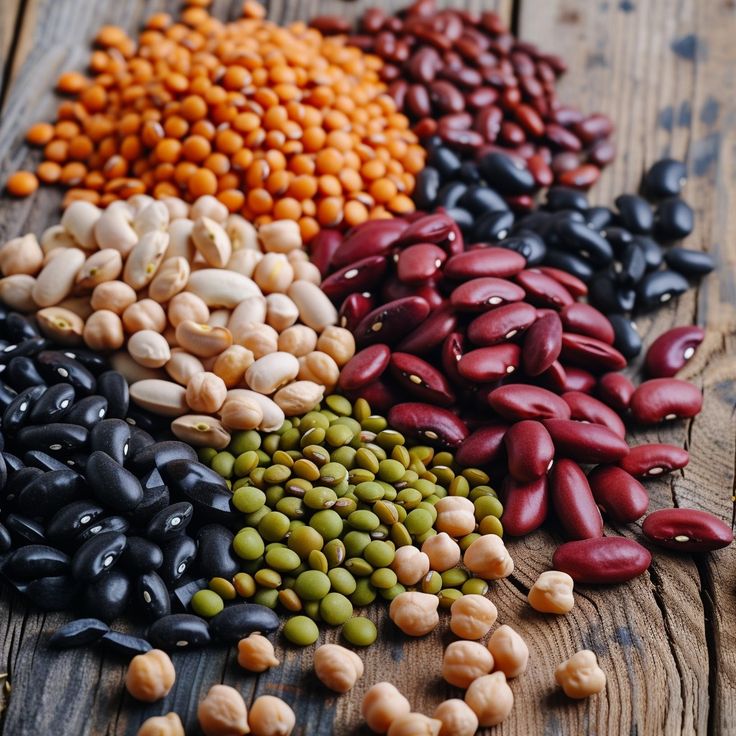
Why Are Legumes Important for Human Health?
Legumes offer several nutritional advantages that distinguish them from many other plant-based foods.
1. High-Quality Plant-Based Protein
Legumes are important sources of plant protein, making them particularly valuable for individuals following vegetarian or vegan diets. Although the amino acid composition varies between different legumes, combining a variety of plant protein sources throughout the day can help meet essential amino acid requirements.
2. Rich Sources of Dietary Fiber
Most legumes contain substantial amounts of dietary fiber, including soluble and insoluble fractions. Fiber supports bowel regularity, contributes to satiety, helps regulate post-meal blood glucose levels, and can improve certain blood lipid markers.
3. Support for Cardiovascular Health
Regular legume consumption is associated with improvements in some cardiovascular risk factors, including LDL cholesterol and blood pressure. Their fiber, potassium, magnesium, and low saturated fat content contribute to their potential cardiovascular benefits.
4. Blood Glucose Regulation
Legumes generally have a relatively low glycemic impact. Their combination of protein, fiber, and slowly digestible carbohydrates helps moderate the rate of glucose absorption after meals, making them useful components of dietary patterns designed to support blood glucose management.
5. Gut Microbiome Support
Certain carbohydrates in legumes are fermented by beneficial intestinal microorganisms. This process produces short-chain fatty acids, including acetate, propionate, and butyrate, which contribute to intestinal health and metabolic regulation.
6. Rich Sources of Essential Micronutrients
Depending on the type, legumes provide important nutrients such as iron, folate, magnesium, potassium, zinc, and several B vitamins. These nutrients participate in essential physiological processes, including energy metabolism, oxygen transport, DNA synthesis, and immune function.
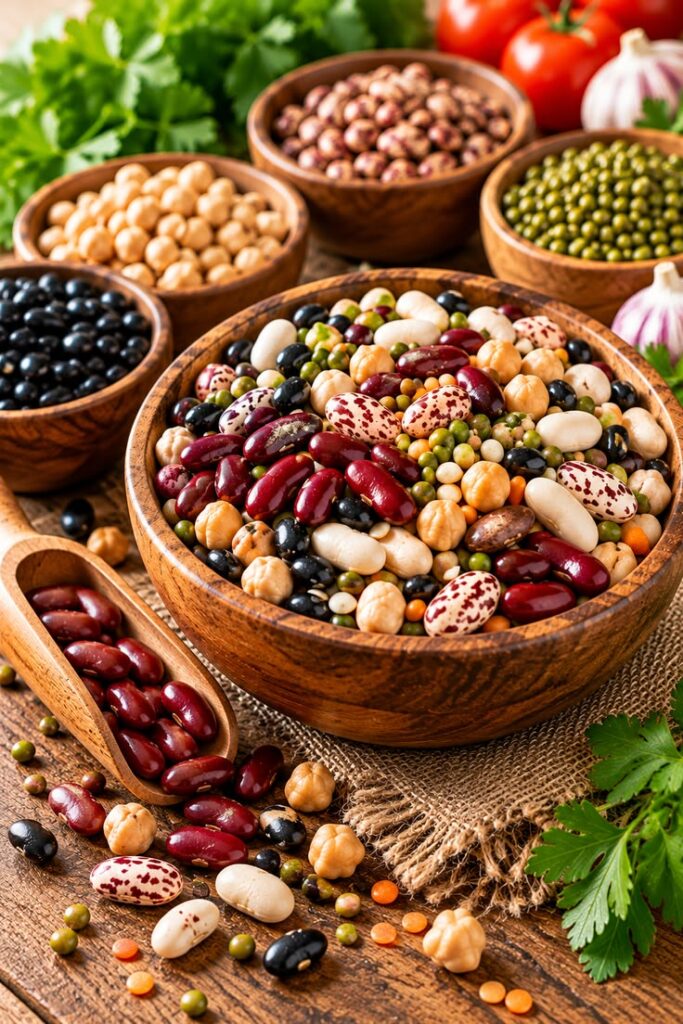
Legumes and Chronic Disease Prevention
Scientific research suggests that diets rich in legumes may contribute to a lower risk of several chronic health conditions.
Observational studies and clinical trials have investigated associations between legume consumption and:
Cardiovascular disease risk factors.
Type 2 diabetes and glycemic control.
Obesity and weight management.
Colorectal and other gastrointestinal health outcomes.
However, the strength of the evidence varies across conditions. Improvements in certain metabolic risk factors are better established than direct prevention of specific diseases. Legumes should therefore be considered part of an overall healthy dietary pattern rather than a treatment or preventive medicine on their own.
Are Legumes Suitable for Everyone?
Despite their nutritional advantages, legumes may not be equally well tolerated by everyone.
Some individuals experience bloating, excessive gas, or abdominal discomfort due to fermentable carbohydrates, particularly galacto-oligosaccharides (GOS).
People with irritable bowel syndrome (IBS), certain food allergies, or medical conditions requiring specific dietary restrictions may need to adjust their legume intake.
Additionally, legumes contain naturally occurring antinutritional compounds, such as phytates and lectins. Appropriate preparation methods, including soaking, rinsing, and thorough cooking, can reduce certain of these compounds and improve digestibility.
Exploring Different Types of Legumes
Although legumes share several nutritional characteristics, each variety has a distinct nutritional profile, bioactive composition, culinary application, and potential health impact.
In this series, we explore the most widely consumed legumes individually, examining their nutritional composition, scientifically supported health benefits, potential adverse effects, preparation methods, and recommendations for different dietary needs.
From iron-rich lentils and fiber-rich chickpeas to protein-rich soybeans and a variety of beans, understanding the nutritional characteristics of each legume can help individuals make more informed food choices.
Final Perspective
Legumes are much more than affordable sources of plant-based protein. They are nutrient-dense foods that provide a combination of fiber, complex carbohydrates, essential micronutrients, and bioactive compounds that support multiple aspects of human physiology.
Including a variety of legumes in a balanced diet can be a practical and evidence-based strategy for improving dietary quality and supporting long-term health.
Lentils (Lens culinaris)
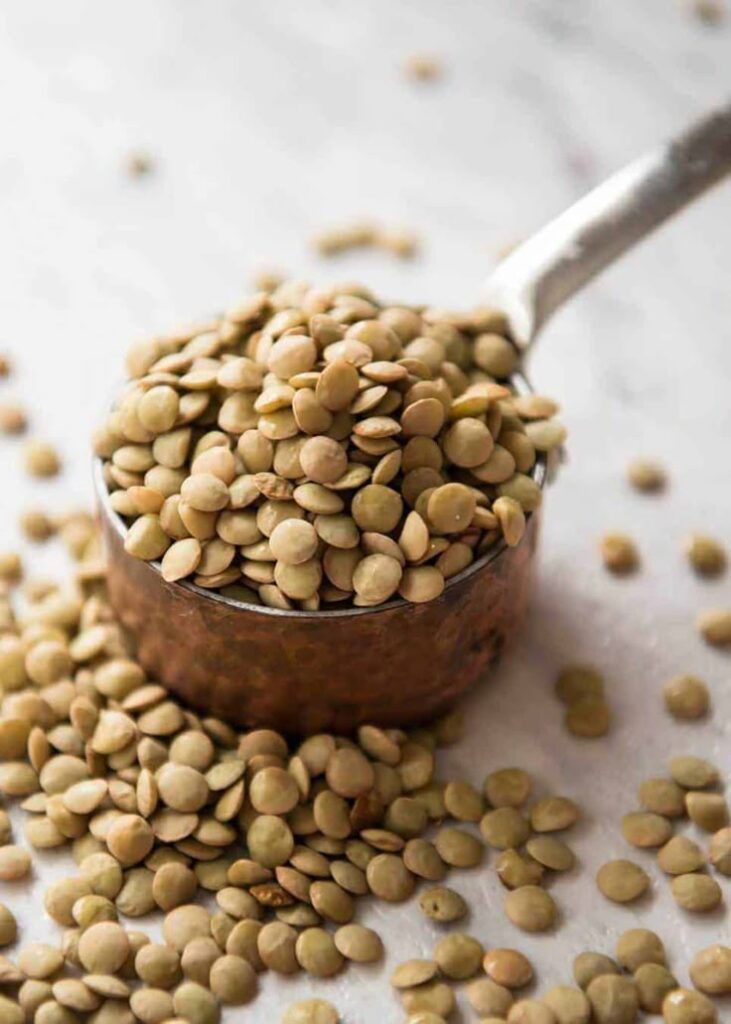
Lentils (Lens culinaris)
Lentils (Lens culinaris) are among the most nutritious and widely consumed legumes worldwide. They have been cultivated for thousands of years and remain an important dietary staple in the Middle East, South Asia, North Africa, and Mediterranean regions.
Known for their high nutritional density, lentils provide an excellent combination of plant-based protein, dietary fiber, complex carbohydrates, essential vitamins, minerals, and bioactive compounds.
Their unique nutritional composition makes them particularly valuable for supporting digestive health, cardiovascular function, blood glucose regulation, and overall metabolic health.
Lentils are naturally low in fat, contain virtually no saturated fat, and provide substantial amounts of important nutrients, including folate, iron, magnesium, potassium, and zinc.
In addition to their nutritional benefits, lentils are affordable, versatile, easy to prepare, and suitable for many dietary patterns, including vegetarian and vegan diets.
2. Types of Lentils
Lentils are available in several varieties that differ in color, size, texture, and cooking characteristics.
Brown Lentils
Brown lentils are among the most commonly consumed varieties. They have a mild, earthy flavor and a relatively soft texture after cooking. They are commonly used in soups, stews, salads, and traditional dishes.
Green Lentils
Green lentils have a slightly peppery flavor and a firmer texture than brown lentils. They generally retain their shape during cooking, making them suitable for salads and side dishes.
Red and Yellow Lentils
Red and yellow lentils are often sold split and with their outer seed coats removed. They cook relatively quickly and develop a soft, creamy consistency, making them ideal for soups, purees, and curries.
Black Lentils (Beluga Lentils)
Black lentils are small, dark-colored seeds with a firm texture. Their dark pigmentation is associated with naturally occurring polyphenolic compounds, which have demonstrated antioxidant activity in laboratory studies.
French Green Lentils (Puy Lentils)
These lentils are known for their small size, distinctive flavor, and ability to maintain their shape after cooking. They are commonly used in salads and gourmet dishes.
Although these varieties share a similar nutritional foundation, their exact nutrient composition and bioactive compound concentrations may differ depending on the cultivar, growing conditions, and processing methods.
3. Nutritional Composition of Lentils
Lentils are considered nutrient-dense foods because they provide substantial amounts of essential nutrients relative to their calorie content.
Nutritional Values of Cooked Lentils
The following table presents approximate nutritional values per 100 grams of cooked, boiled lentils without added salt.
| Nutrient | Amount per 100 g |
|---|---|
| Energy | 116 kcal |
| Protein | 9.0 g |
| Total Carbohydrates | 20.1 g |
| Dietary Fiber | 7.9 g |
| Total Fat | 0.4 g |
| Iron | 3.3 mg |
| Folate (Vitamin B9) | 181 µg |
| Potassium | 369 mg |
| Magnesium | 36 mg |
| Phosphorus | 180 mg |
| Zinc | 1.3 mg |
| Calcium | 19 mg |
Values are approximate and may vary according to lentil variety and preparation method.
Key Nutritional Components
Plant-Based Protein
Cooked lentils provide approximately 9 grams of protein per 100 grams. Their protein content makes them an important food for individuals following vegetarian and vegan diets.
However, lentils are relatively low in certain essential amino acids, particularly methionine. Including a variety of protein sources, such as whole grains, nuts, and seeds, helps ensure adequate essential amino acid intake.
Dietary Fiber
Lentils contain both soluble and insoluble dietary fiber.
Soluble fiber can help reduce cholesterol absorption and moderate post-meal blood glucose responses. Insoluble fiber contributes to stool bulk and supports normal bowel movements.
Complex Carbohydrates and Resistant Starch
Lentils contain complex carbohydrates, including starch and resistant starch. Resistant starch is not completely digested in the small intestine and can be fermented by intestinal microorganisms.
This contributes to the production of short-chain fatty acids and may help support gut health and metabolic function.
Folate (Vitamin B9)
Folate is essential for DNA synthesis, cellular division, and normal red blood cell formation. It is particularly important during pregnancy because adequate folate intake helps reduce the risk of neural tube defects.
Iron
Lentils provide non-heme iron, the form of iron naturally present in plant foods. Iron is necessary for hemoglobin synthesis, oxygen transport, and cellular energy metabolism.
However, non-heme iron is generally less readily absorbed than heme iron from animal foods.
Magnesium and Potassium
Magnesium participates in hundreds of enzymatic reactions, including those involved in energy production, muscle function, and glucose metabolism.
Potassium contributes to normal nerve signaling, muscle contraction, and blood pressure regulation.
4. Evidence-Based Health Benefits of Lentils
4.1. Cardiovascular Health and Cholesterol Regulation
Regular consumption of lentils may contribute to improved cardiovascular health.
One of the primary mechanisms involves their soluble fiber content, which can help reduce the intestinal absorption of cholesterol and support lower circulating LDL cholesterol levels.
Lentils also contain potassium and magnesium, which contribute to normal blood pressure regulation and vascular function.
Their naturally low saturated fat content makes them particularly useful when replacing foods that are higher in saturated fat, such as certain processed and fatty meat products.
Clinical studies investigating legume consumption have reported improvements in certain cardiovascular risk markers, including total cholesterol and LDL cholesterol.
However, these findings do not establish that lentils alone prevent cardiovascular disease. Their benefits are best understood as part of an overall heart-healthy dietary pattern.
4.2. Blood Glucose Regulation and Insulin Sensitivity
Lentils are particularly valuable in dietary patterns designed to support healthy blood glucose levels.
Their relatively low glycemic impact is associated with several nutritional characteristics:
High dietary fiber content.
Slowly digestible starch.
Resistant starch.
Plant-based protein.
A relatively low proportion of rapidly available carbohydrates.
These components influence digestion and the rate at which glucose enters the bloodstream.
Human clinical studies have demonstrated that consuming lentils instead of certain rapidly digested carbohydrate foods can reduce postprandial blood glucose and insulin responses.
This makes lentils a useful dietary choice for individuals with insulin resistance, prediabetes, or type 2 diabetes.
Nevertheless, portion size, meal composition, and individual metabolic responses remain important considerations.
4.3. Digestive Health and Gut Microbiome Support
Lentils contain dietary fiber and resistant starch that can reach the large intestine without being completely digested in the small intestine.
Certain intestinal microorganisms ferment these carbohydrates and produce short-chain fatty acids (SCFAs), including:
Acetate
Propionate
Butyrate
These metabolites are involved in intestinal barrier function, communication between gut microorganisms and the host, and several metabolic processes.
Butyrate, in particular, serves as an important energy source for colon cells.
Regular consumption of fiber-rich foods such as lentils can therefore support digestive health and contribute to a diverse, fiber-adapted gut microbiome.
However, the specific long-term effects of lentils on the human gut microbiome are still being investigated.
4.4. Weight Management and Satiety
Lentils can be a useful component of weight-management diets because they contain both protein and dietary fiber.
These nutrients contribute to satiety and may help reduce hunger between meals.
Dietary fiber can influence gastric emptying and digestion, while protein contributes to appetite regulation through several physiological pathways.
Replacing energy-dense foods with lentil-based meals may also help reduce overall dietary energy intake without compromising nutrient quality.
It is important to understand that lentils are not a fat-burning food. Their potential contribution to weight management depends on total calorie intake, dietary quality, physical activity, and overall lifestyle.
4.5. Iron Intake and Red Blood Cell Formation
Lentils provide iron and folate, two nutrients essential for normal blood cell production.
Iron is required for hemoglobin synthesis, while folate is necessary for DNA synthesis and the development of healthy red blood cells.
Insufficient intake of either nutrient can contribute to specific forms of anemia.
However, lentils should not be considered a standalone treatment for iron-deficiency anemia or folate-deficiency anemia.
How to Improve Iron Absorption
The iron in lentils is non-heme iron, which is less bioavailable than heme iron.
Consuming lentils with vitamin C-rich foods can significantly improve non-heme iron absorption.
Good combinations include:
Lentils with fresh lemon juice.
Lentil soup with tomatoes.
Lentils with bell peppers.
Lentils alongside broccoli or other vitamin C-rich vegetables.
Vitamin C enhances iron absorption by helping maintain iron in a more absorbable chemical form.
4.6. Antioxidant Properties and Cellular Protection
Lentils contain several bioactive compounds, including polyphenols, flavonoids, and phenolic acids.
These compounds have demonstrated antioxidant activity in laboratory studies.
Antioxidants can help neutralize reactive oxygen species (ROS), which are chemically reactive molecules produced during normal cellular metabolism and in response to environmental stressors.
Excessive oxidative stress may contribute to cellular damage and is associated with several chronic diseases.
Different lentil varieties contain different concentrations and profiles of polyphenols. Darker-colored varieties may contain higher amounts of certain pigmented phenolic compounds.
Although laboratory findings are promising, antioxidant activity observed in laboratory experiments does not establish that eating lentils prevents specific diseases in humans.
4.7. Pregnancy and Fetal Development
Lentils can be a valuable component of the maternal diet because they provide folate, iron, protein, and dietary fiber.
Folate plays a critical role in early embryonic development, particularly in the formation of the neural tube, which develops into the brain and spinal cord.
Iron requirements also increase during pregnancy because of expanded maternal blood volume and fetal development.
Lentils can help contribute to dietary intake of these nutrients.
However, dietary lentils do not replace recommended folic acid supplementation during pregnancy. Pregnant individuals should follow the supplementation recommendations provided by their healthcare professionals.
4.8. Supporting Long-Term Metabolic Health
The combination of fiber, plant protein, slowly digested carbohydrates, and micronutrients makes lentils a beneficial component of a balanced dietary pattern.
Clinical trials investigating legume consumption have reported modest improvements in certain metabolic markers, including fasting blood glucose and blood lipid levels.
These findings support the inclusion of lentils and other legumes in dietary approaches aimed at improving metabolic health.
Nevertheless, evidence regarding the direct prevention of conditions such as type 2 diabetes and cardiovascular disease remains less conclusive than evidence concerning improvements in certain intermediate risk factors.
5. Potential Side Effects and Health Considerations
Despite their nutritional benefits, lentils may cause digestive discomfort in some individuals, particularly when consumed in large quantities or introduced suddenly into a low-fiber diet.
5.1. Bloating and Excessive Gas
Lentils contain fermentable carbohydrates, including galacto-oligosaccharides (GOS).
Humans lack sufficient digestive enzymes to completely break down these compounds in the small intestine.
As a result, they reach the colon, where intestinal bacteria ferment them and produce gases such as hydrogen and carbon dioxide.
This process can cause:
Abdominal bloating.
Flatulence.
Abdominal discomfort.
Changes in bowel habits.
Individuals with irritable bowel syndrome (IBS) may be particularly sensitive to these fermentable carbohydrates.
Ways to Reduce Digestive Discomfort
Increase lentil consumption gradually.
Cook lentils thoroughly.
Rinse canned lentils before use.
Begin with smaller portions.
Observe individual digestive tolerance.
5.2. Phytates and Mineral Bioavailability
Lentils naturally contain phytic acid, also known as phytate.
Phytate can bind to minerals such as iron, zinc, and calcium, reducing their bioavailability in the digestive tract.
This does not mean lentils are nutritionally harmful. Rather, it means that the amount of a mineral present in food is not necessarily the same as the amount absorbed by the body.
Soaking, germination, fermentation, and cooking can reduce phytate levels to varying degrees.
Consuming lentils with vitamin C-rich foods is another practical strategy for improving non-heme iron absorption.
5.3. Allergic Reactions
Although uncommon, lentils can trigger food allergies in susceptible individuals.
Symptoms may include:
Skin itching or hives.
Swelling of the lips, tongue, or throat.
Abdominal pain or vomiting.
Respiratory symptoms.
In severe cases, lentil allergy may cause anaphylaxis, a potentially life-threatening allergic reaction.
Individuals with known legume allergies should seek appropriate medical advice before introducing lentils into their diet.
5.4. Considerations for Irritable Bowel Syndrome (IBS)
Because lentils contain fermentable oligosaccharides, they may trigger symptoms in individuals sensitive to FODMAPs.
A low-FODMAP dietary approach may involve temporarily limiting certain portions of lentils, followed by structured reintroduction under appropriate guidance.
Complete and permanent avoidance is not necessary for everyone with IBS. Tolerance depends on portion size, preparation method, and individual sensitivity.
5.5. Considerations for Chronic Kidney Disease
Lentils contain potassium and phosphorus, two minerals that may require dietary management in some individuals with chronic kidney disease (CKD).
However, the need to restrict these minerals depends on kidney function, blood test results, medications, and the individual’s overall clinical condition.
Lentils are not automatically prohibited for people with kidney disease. Their suitability should be determined with the help of a renal dietitian or healthcare professional.
5.6. Undercooked Lentils and Food Preparation
Raw or inadequately cooked lentils may be harder to digest and can cause gastrointestinal discomfort.
Legumes also contain naturally occurring compounds, including lectins, whose biological activity can be reduced through appropriate food preparation.
Thorough cooking is therefore recommended before consumption.
6. How to Prepare Lentils for Better Nutritional Value
Appropriate preparation can improve digestibility and reduce certain antinutritional compounds.
Sorting and Washing
Before cooking, remove small stones, debris, and damaged seeds. Rinse lentils thoroughly with clean water.
Soaking
Unlike many other dried legumes, lentils generally do not require soaking because they cook relatively quickly.
However, soaking may help reduce cooking time and can reduce some antinutritional compounds.
Cooking
Cook lentils in sufficient water until they become tender. Cooking time depends on the variety, age, and whether the lentils are whole or split.
Red and yellow split lentils generally cook faster than whole green, brown, or black lentils.
Combining with Vitamin C
Adding tomatoes, lemon juice, bell peppers, or other vitamin C-rich ingredients can improve the absorption of non-heme iron.
Avoiding Excessive Sodium
Lentils themselves are naturally low in sodium. However, adding large amounts of salt, processed sauces, or salty seasonings can significantly increase the sodium content of a meal.
7. Recommended Serving Size
A practical serving of cooked lentils for most adults is approximately ½ cup to 1 cup (around 100–200 grams).
This provides a meaningful amount of protein, dietary fiber, folate, iron, and other essential nutrients.
The appropriate portion depends on:
Individual energy requirements.
Total daily protein and fiber intake.
Digestive tolerance.
Physical activity level.
Existing medical conditions.
Overall dietary composition.
For individuals who rarely consume legumes, starting with approximately ½ cup of cooked lentils may help the digestive system adapt to increased fiber intake.
8. Who Can Benefit from Eating Lentils?
Lentils can be particularly useful for:
Individuals following vegetarian or vegan diets.
People seeking affordable plant-based protein sources.
Individuals aiming to increase dietary fiber intake.
People interested in improving overall dietary quality.
Individuals managing blood glucose as part of a balanced diet.
People looking to replace some processed or high-saturated-fat meat products.
Pregnant individuals seeking dietary sources of folate and iron.
People with specific food allergies, significant digestive sensitivities, or medical conditions requiring mineral restrictions may need individualized dietary advice.
9. Frequently Asked Questions (FAQs)
Are lentils good for people with diabetes?
Yes. Lentils generally have a low glycemic impact because of their fiber, protein, and slowly digested carbohydrates. They can be included in a diabetes-friendly eating pattern, with attention to portion size and overall meal composition.
Do lentils help with weight loss?
They may support weight management by increasing satiety and helping people feel full for longer. However, weight loss ultimately depends on maintaining an appropriate energy balance.
Are lentils a complete protein?
Lentils contain all nine essential amino acids, but their amounts are not optimal, particularly for methionine. Eating a varied diet that includes grains, nuts, and seeds helps provide a balanced amino acid intake.
Do lentils cause iron deficiency?
No. Lentils provide dietary iron. However, their phytate content can reduce iron absorption. Combining lentils with vitamin C-rich foods can improve iron bioavailability.
Can lentils be eaten every day?
For most healthy individuals, lentils can be consumed regularly, including daily, as part of a varied and balanced diet. Individual tolerance and nutritional requirements should guide portion size.
Are canned lentils as healthy as dried lentils?
Canned lentils can retain much of their protein, fiber, and mineral content. Choosing varieties with no added salt or rinsing them before use can help reduce sodium intake.
Are lentils gluten-free?
Yes. Lentils are naturally gluten-free. However, cross-contamination can occur during processing, packaging, or storage. Individuals with celiac disease should choose products certified or labeled gluten-free.
10. Conclusion
Lentils are highly nutritious legumes that provide plant-based protein, dietary fiber, folate, iron, potassium, magnesium, and various bioactive compounds.
Their nutritional composition makes them valuable for supporting digestive health, blood glucose regulation, cardiovascular health, and overall dietary quality.
Although lentils may cause bloating in sensitive individuals and contain compounds that can reduce mineral absorption, appropriate preparation and reasonable portion sizes can help minimize these concerns.
Ultimately, lentils are best understood not as a medicinal food or a treatment for specific diseases, but as an affordable, versatile, and nutrient-dense component of a balanced and health-promoting dietary pattern.
Scientific References and Further Reading
Ganesan K, Xu B. Polyphenol-rich lentils and their health promoting effects. International Journal of Molecular Sciences. 2017;18(11):2390. https://doi.org/10.3390/ijms18112390
Harvard T.H. Chan School of Public Health. The Nutrition Source: Legumes. https://nutritionsource.hsph.harvard.edu/legumes/
USDA FoodData Central. Nutritional composition of cooked lentils. https://fdc.nal.usda.gov/
European Food Safety Authority (EFSA). Scientific resources on plant lectins and food safety. https://www.efsa.europa.eu/
U.S. National Institutes of Health, Office of Dietary Supplements. Iron Fact Sheet for Health Professionals. https://ods.od.nih.gov/factsheets/Iron-HealthProfessional/
World Health Organization. Guideline: Daily iron and folic acid supplementation in pregnant women. https://www.who.int/
Medical Disclaimer: This article is intended for educational and informational purposes only. It does not replace individualized medical advice, diagnosis, or treatment. Individuals with food allergies, chronic kidney disease, gastrointestinal disorders, or specific nutritional deficiencies should consult a qualified healthcare professional or registered dietitian.
Chickpeas (Cicer arietinum):
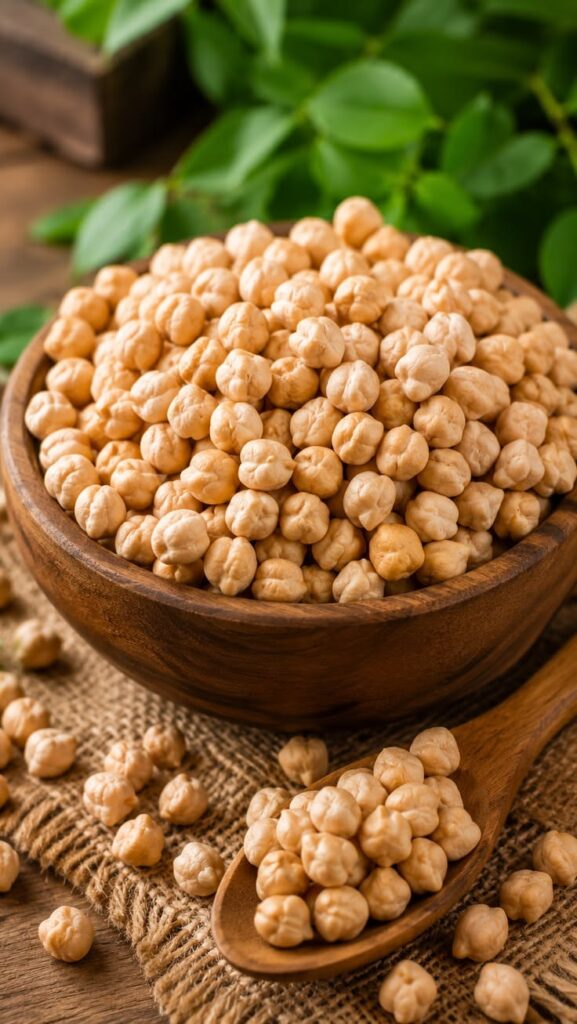
What Are Chickpeas?
Chickpeas (Cicer arietinum), also known as garbanzo beans, are among the most widely consumed legumes worldwide. They have been cultivated for thousands of years and are an important component of traditional diets in the Mediterranean, Middle Eastern, South Asian, and North African regions.
Chickpeas are highly valued for their nutritional density, providing plant-based protein, dietary fiber, complex carbohydrates, essential minerals, vitamins, and various bioactive compounds.
Their unique nutritional composition makes them a valuable food for supporting digestive health, cardiovascular function, blood glucose regulation, and metabolic health.
Unlike many animal-based protein sources, chickpeas are naturally cholesterol-free and contain relatively low amounts of saturated fat. They also provide important micronutrients, including folate, iron, magnesium, potassium, phosphorus, and zinc.
Chickpeas are available in several forms, including dried, canned, roasted, and ground into flour. They are also the primary ingredient in popular foods such as hummus and falafel.
2. Types of Chickpeas
Chickpeas are generally classified into two major types based on their physical characteristics and growing varieties.
Kabuli Chickpeas
Kabuli chickpeas are relatively large, round, and light beige in color. They have a thin seed coat and a mild, slightly nutty flavor.
They are commonly used in Mediterranean and Middle Eastern cuisines, particularly in hummus, salads, soups, and stews.
Desi Chickpeas
Desi chickpeas are smaller, darker, and often have a thicker seed coat than Kabuli varieties. Their color can range from dark brown to nearly black.
They are widely consumed in South Asia and are frequently used in traditional dishes, roasted snacks, and ground chickpea flour.
Desi chickpeas may contain higher concentrations of certain dietary fiber and polyphenolic compounds because of differences in seed coat composition.
However, the nutritional composition of both varieties depends on cultivar, growing conditions, processing, and preparation methods.
3. Nutritional Composition of Chickpeas
Chickpeas are nutrient-dense legumes that provide a balanced combination of protein, complex carbohydrates, dietary fiber, vitamins, and minerals.
Nutritional Values of Cooked Chickpeas
The following values represent approximately 100 grams of cooked, boiled chickpeas without added salt.
| Nutrient | Amount per 100 g |
|---|---|
| Energy | 164 kcal |
| Protein | 8.9 g |
| Total Carbohydrates | 27.4 g |
| Dietary Fiber | 7.6 g |
| Total Fat | 2.6 g |
| Iron | 2.9 mg |
| Folate (Vitamin B9) | 172 µg |
| Potassium | 291 mg |
| Magnesium | 48 mg |
| Phosphorus | 168 mg |
| Zinc | 1.5 mg |
| Calcium | 49 mg |
Values are approximate and may vary according to variety and preparation method.
Key Nutritional Components
Plant-Based Protein
Chickpeas provide approximately 8.9 grams of protein per 100 grams when cooked.
Their protein content makes them a valuable food for individuals following vegetarian and vegan diets.
Chickpeas contain all nine essential amino acids, although their amino acid profile is relatively low in sulfur-containing amino acids, particularly methionine and cysteine.
Combining chickpeas with grains, nuts, or seeds throughout the day can help provide a balanced essential amino acid intake.
Dietary Fiber
Chickpeas contain both soluble and insoluble dietary fiber.
Soluble fiber can contribute to cholesterol regulation and moderate post-meal glucose responses, while insoluble fiber supports stool bulk and normal bowel movements.
Their fiber content also contributes to satiety and digestive health.
Complex Carbohydrates
Most of the carbohydrates in chickpeas are present as starch, together with dietary fiber and resistant starch.
These components influence digestion and can help produce a slower post-meal glucose response compared with many refined carbohydrate foods.
Folate (Vitamin B9)
Folate is essential for DNA synthesis, cellular division, and normal red blood cell formation.
It is particularly important during pregnancy because adequate folate intake helps reduce the risk of neural tube defects.
Iron
Chickpeas provide non-heme iron, which contributes to hemoglobin synthesis, oxygen transport, and normal cellular metabolism.
However, iron absorption from plant foods is generally lower than absorption from animal-based heme iron sources.
Magnesium and Potassium
Magnesium participates in energy metabolism, muscle contraction, nerve signaling, and glucose regulation.
Potassium contributes to normal blood pressure regulation, fluid balance, and neuromuscular function.
Healthy Unsaturated Fats
Although chickpeas are relatively low in total fat, a significant proportion of their fat content consists of unsaturated fatty acids.
These include oleic acid and linoleic acid, which contribute to the overall nutritional quality of the food.
4. Evidence-Based Health Benefits of Chickpeas
4.1. Cardiovascular Health and Cholesterol Regulation
Chickpeas may contribute to improved cardiovascular health through their fiber content, mineral composition, and relatively low saturated fat content.
Their soluble fiber can help reduce intestinal cholesterol absorption and support lower LDL cholesterol levels.
Potassium and magnesium also contribute to normal blood pressure regulation and vascular function.
Additionally, replacing foods high in saturated fat with chickpea-based meals may improve overall dietary fat quality.
Clinical studies examining chickpea and pulse consumption have reported improvements in certain cardiovascular risk factors, particularly blood lipid levels.
However, the effects vary between individuals and depend on the overall dietary pattern.
4.2. Blood Glucose Regulation
Chickpeas are particularly useful in dietary patterns designed to support healthy blood glucose levels.
Several nutritional characteristics contribute to their relatively low glycemic impact:
High dietary fiber content.
Slowly digestible starch.
Resistant starch.
Plant-based protein.
Relatively low glycemic index compared with many refined carbohydrate foods.
These components influence gastric emptying, digestion, and glucose absorption.
Human studies have demonstrated that chickpeas can produce lower post-meal glucose responses than certain refined carbohydrate foods.
Regular inclusion of chickpeas in balanced meals may therefore be beneficial for individuals with insulin resistance, prediabetes, or type 2 diabetes.
However, chickpeas still contain carbohydrates, and portion size should be considered when planning meals for blood glucose management.
4.3. Digestive Health and Gut Microbiome Support
Chickpeas provide fermentable carbohydrates and dietary fiber that can support intestinal microbial activity.
Some of these carbohydrates reach the large intestine, where gut microorganisms ferment them and produce short-chain fatty acids (SCFAs), including:
Acetate
Propionate
Butyrate
These metabolites are involved in intestinal barrier function, colonocyte energy metabolism, and communication between gut microorganisms and the host.
The fiber content of chickpeas also supports normal bowel movements and can help improve stool consistency.
Regular consumption of legumes may contribute to a more diverse and metabolically active gut microbiome, although specific long-term effects of chickpeas require further human research.
4.4. Weight Management and Appetite Regulation
Chickpeas can be useful in weight-management diets because they contain both protein and dietary fiber.
These nutrients contribute to satiety and may help reduce hunger after meals.
Protein influences appetite-regulating pathways, while dietary fiber can slow digestion and contribute to feelings of fullness.
Chickpeas also provide substantial nutritional value relative to their energy content, making them a useful alternative to some energy-dense, highly processed foods.
Some clinical studies have investigated the relationship between regular pulse consumption and body weight, reporting modest improvements in weight-related outcomes.
However, chickpeas do not directly burn body fat. Their potential benefits depend on overall calorie intake, food choices, and lifestyle habits.
4.5. Supporting Iron Intake and Red Blood Cell Formation
Chickpeas provide iron and folate, two nutrients involved in normal blood cell production.
Iron is essential for hemoglobin synthesis and oxygen transport, while folate supports DNA synthesis and red blood cell development.
Adequate intake of these nutrients is particularly important during periods of increased nutritional demand, including pregnancy.
However, the iron in chickpeas is non-heme iron and has relatively limited bioavailability.
How to Improve Iron Absorption
Combining chickpeas with vitamin C-rich foods can improve the absorption of non-heme iron.
Useful combinations include:
Chickpeas with lemon juice.
Hummus with fresh bell peppers.
Chickpea salads with tomatoes.
Chickpeas with broccoli or citrus fruits.
Vitamin C enhances the absorption of plant-based iron by promoting its availability in the digestive tract.
4.6. Antioxidant and Anti-Inflammatory Potential
Chickpeas contain several bioactive compounds, including:
Polyphenols.
Flavonoids.
Phenolic acids.
Saponins.
Carotenoids.
These compounds have demonstrated antioxidant and other biological activities in laboratory studies.
Antioxidants help neutralize reactive oxygen species (ROS), which are produced during normal cellular metabolism and in response to environmental stressors.
Excessive oxidative stress is associated with cellular damage and several chronic diseases.
Some chickpea-derived compounds have also demonstrated anti-inflammatory activity in experimental models.
However, laboratory findings should not be interpreted as proof that chickpeas prevent or treat inflammatory diseases in humans. More human clinical research is needed to establish these effects.
4.7. Pregnancy and Maternal Nutrition
Chickpeas can contribute important nutrients to the maternal diet, including folate, iron, protein, and dietary fiber.
Folate is essential for early fetal development and neural tube formation.
Iron supports maternal blood production and the increasing oxygen requirements associated with pregnancy.
Dietary fiber may also help support bowel regularity, which can be particularly useful during pregnancy.
However, chickpeas do not replace recommended folic acid supplementation or other prenatal nutritional recommendations.
4.8. Supporting Overall Metabolic Health
The combination of protein, fiber, complex carbohydrates, and micronutrients makes chickpeas a valuable component of balanced dietary patterns.
Research on pulse consumption has investigated several metabolic outcomes, including blood glucose regulation, lipid metabolism, and body weight.
The available evidence suggests that regular consumption of legumes may improve certain cardiometabolic risk markers.
However, the direct effects of chickpeas on long-term disease prevention remain an active area of research.
5. Potential Side Effects and Health Considerations
Despite their nutritional benefits, chickpeas may cause digestive discomfort in some individuals.
5.1. Bloating and Excessive Gas
Chickpeas contain fermentable carbohydrates, particularly galacto-oligosaccharides (GOS).
These compounds are not completely digested in the small intestine because humans lack sufficient enzymes to break them down.
They subsequently reach the colon, where intestinal bacteria ferment them and produce gases.
Possible symptoms include:
Abdominal bloating.
Excessive flatulence.
Abdominal discomfort.
Changes in bowel habits.
These symptoms may be more noticeable in individuals with irritable bowel syndrome (IBS) or sensitivity to fermentable carbohydrates.
Ways to Reduce Digestive Discomfort
Soak dried chickpeas before cooking.
Discard the soaking water.
Rinse canned chickpeas thoroughly.
Cook chickpeas until completely tender.
Increase portion sizes gradually.
Avoid consuming very large quantities at once.
5.2. Phytates and Mineral Absorption
Chickpeas naturally contain phytic acid, also known as phytate.
Phytate can bind to minerals such as iron, zinc, and calcium, potentially reducing their absorption.
The nutritional impact depends on the overall diet, mineral intake, and preparation method.
Soaking, germination, fermentation, and cooking can reduce phytate levels to varying degrees.
Combining chickpeas with vitamin C-rich foods can also improve non-heme iron absorption.
5.3. Lectins and Food Preparation
Like other legumes, chickpeas contain naturally occurring lectins and other antinutritional compounds.
Their biological activity can be reduced through appropriate processing and cooking.
Properly cooked chickpeas are generally safe to consume.
Dried chickpeas should be soaked when appropriate and then thoroughly boiled until fully tender. They should not be eaten raw or inadequately cooked.
5.4. Allergic Reactions
Chickpea allergy is uncommon but can occur.
Symptoms may include:
Skin itching or hives.
Swelling of the lips, tongue, or throat.
Nausea or vomiting.
Respiratory symptoms.
Some individuals with allergies to other legumes may also react to chickpeas, although cross-reactivity is not inevitable.
Severe allergic reactions may cause anaphylaxis and require immediate emergency medical attention.
5.5. Considerations for Irritable Bowel Syndrome (IBS)
Because chickpeas contain fermentable oligosaccharides, they may trigger digestive symptoms in people sensitive to FODMAPs.
The amount tolerated varies between individuals.
Canned chickpeas, when drained and thoroughly rinsed, may be better tolerated by some individuals because a portion of water-soluble oligosaccharides can move into the canning liquid.
A low-FODMAP approach should generally involve individualized assessment and structured food reintroduction rather than unnecessary long-term food restriction.
5.6. Considerations for Chronic Kidney Disease
Chickpeas contain potassium and phosphorus, which may need to be managed in certain individuals with chronic kidney disease (CKD).
However, dietary restrictions depend on kidney function, laboratory findings, medication use, and the individual’s overall nutritional status.
Chickpeas are not automatically unsuitable for people with kidney disease. A renal dietitian can help determine appropriate serving sizes and preparation methods.
6. How to Prepare Chickpeas for Better Nutritional Value
Appropriate preparation can improve digestibility and reduce certain antinutritional compounds.
Sorting and Washing
Remove stones, debris, and damaged seeds. Rinse dried chickpeas with clean water before soaking.
Soaking
Soak dried chickpeas in sufficient water, generally for approximately 8–12 hours.
Soaking helps reduce cooking time and may reduce some water-soluble antinutritional compounds.
Discard the soaking water and rinse the chickpeas before cooking.
Cooking
Cook chickpeas in fresh water until completely tender.
Cooking time depends on the variety, age of the seeds, soaking conditions, and cooking equipment.
Pressure cooking can reduce preparation time.
Using Canned Chickpeas
Canned chickpeas are a convenient alternative to dried chickpeas.
Drain and rinse them under running water to remove excess sodium and some water-soluble compounds.
Combining with Vitamin C
Adding lemon juice, tomatoes, bell peppers, or citrus fruits can improve the absorption of non-heme iron.
Choosing Healthy Preparation Methods
Boiled chickpeas, hummus prepared with moderate amounts of added oil, and chickpea salads are generally more suitable everyday choices than heavily fried chickpea products.
7. Recommended Serving Size
A practical serving of cooked chickpeas for most adults is approximately ½ cup to 1 cup (around 80–165 grams).
The appropriate portion depends on:
Individual energy requirements.
Daily protein and fiber intake.
Digestive tolerance.
Physical activity level.
Existing medical conditions.
Overall dietary composition.
Individuals who rarely consume legumes may benefit from starting with smaller portions and gradually increasing intake.
8. Who Can Benefit from Eating Chickpeas?
Chickpeas can be particularly useful for:
Individuals following vegetarian or vegan diets.
People seeking affordable plant-based protein sources.
Individuals aiming to increase dietary fiber intake.
People interested in supporting cardiovascular health.
Individuals managing blood glucose as part of a balanced diet.
People looking to improve dietary quality and satiety.
Individuals seeking plant-based sources of folate and iron.
People with legume allergies, significant digestive sensitivities, or medical conditions requiring mineral restrictions may need individualized dietary guidance.
9. Frequently Asked Questions (FAQs)
Are chickpeas good for people with diabetes?
Yes. Chickpeas generally have a relatively low glycemic impact because of their fiber, protein, and slowly digested carbohydrates. They can be included in a diabetes-friendly eating pattern, with appropriate attention to portion size.
Do chickpeas help with weight loss?
They may support weight management by increasing satiety and helping regulate appetite. However, weight loss depends on overall energy balance and lifestyle.
Are chickpeas a complete protein?
Chickpeas contain all nine essential amino acids, but their levels of certain amino acids, particularly methionine, are relatively low. A varied diet that includes grains, nuts, and seeds helps provide a balanced amino acid intake.
Are chickpeas good for gut health?
Yes. Their dietary fiber and fermentable carbohydrates can support intestinal microbial activity and short-chain fatty acid production. However, some individuals may experience bloating or gas.
Can chickpeas be eaten every day?
For most healthy individuals, chickpeas can be consumed regularly as part of a varied and balanced diet. Portion size should be adjusted according to digestive tolerance and nutritional requirements.
Are canned chickpeas as nutritious as dried chickpeas?
Yes. Canned chickpeas retain much of their protein, fiber, and mineral content. However, sodium content may be higher in some products. Choosing no-added-salt varieties or rinsing canned chickpeas can help reduce sodium intake.
Are chickpeas gluten-free?
Yes. Chickpeas are naturally gluten-free. However, cross-contamination may occur during processing or packaging. Individuals with celiac disease should choose products certified or labeled gluten-free.
Is hummus as healthy as whole chickpeas?
Hummus can be a nutritious food because its main ingredient is chickpeas. However, its nutritional composition also depends on the amounts of tahini, olive oil, salt, and other ingredients used in preparation.
10. Conclusion
Chickpeas are nutrient-dense legumes that provide plant-based protein, dietary fiber, complex carbohydrates, folate, iron, magnesium, potassium, and various bioactive compounds.
Their nutritional composition makes them valuable for supporting digestive health, blood glucose regulation, cardiovascular health, and overall dietary quality.
Although chickpeas may cause bloating in sensitive individuals and contain naturally occurring compounds that can influence mineral absorption, appropriate preparation and reasonable portion sizes can help minimize these concerns.
Ultimately, chickpeas are best understood as an affordable, versatile, and nutrient-rich component of a balanced dietary pattern rather than a medicinal food or treatment for specific diseases.
Scientific References and Further Reading
Wallace TC, Murray R, Zelman KM. The Nutritional Value and Health Benefits of Chickpeas and Hummus. Nutrients. 2016;8(12):766. https://doi.org/10.3390/nu8120766
Jukanti AK, Gaur PM, Gowda CLL, Chibbar RN. Nutritional quality and health benefits of chickpea (Cicer arietinum L.): A review. British Journal of Nutrition. 2012;108(S1)–S26. https://doi.org/10.1017/S0007114512000797
Harvard T.H. Chan School of Public Health. The Nutrition Source: Legumes. https://nutritionsource.hsph.harvard.edu/legumes/
USDA FoodData Central. Nutritional composition of cooked chickpeas. https://fdc.nal.usda.gov/
U.S. National Institutes of Health, Office of Dietary Supplements. Iron Fact Sheet for Health Professionals. https://ods.od.nih.gov/factsheets/Iron-HealthProfessional/
World Health Organization. Guideline: Daily iron and folic acid supplementation in pregnant women. https://www.who.int/
Medical Disclaimer: This article is intended for educational and informational purposes only. It does not replace individualized medical advice, diagnosis, or treatment. Individuals with food allergies, chronic kidney disease, gastrointestinal disorders, or specific nutritional deficiencies should consult a qualified healthcare professional or registered dietitian.
Beans
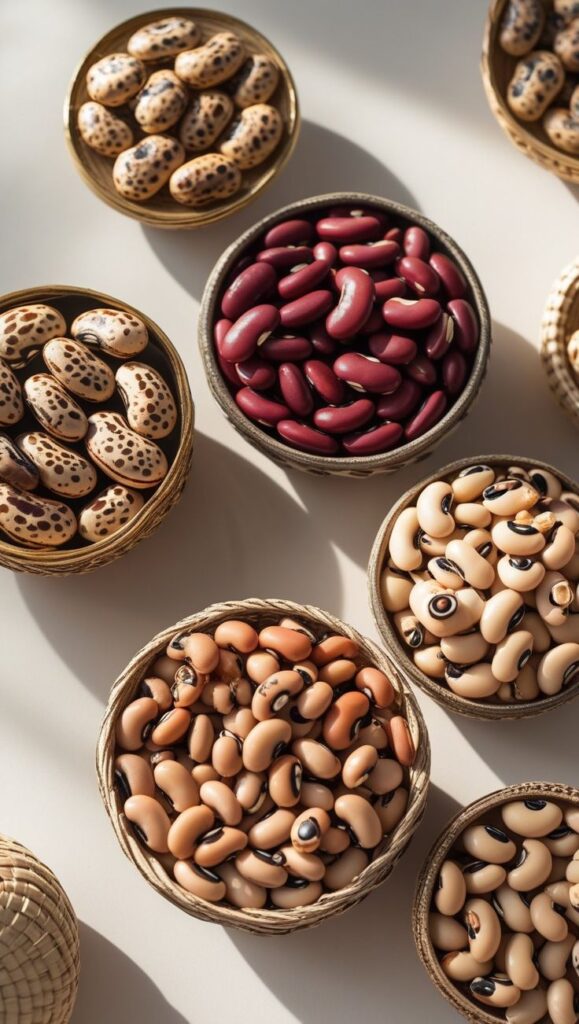
Beans:
Beans are edible seeds belonging to several plant species within the legume family (Fabaceae). They are among the most widely consumed plant foods worldwide and have been an essential part of traditional diets for thousands of years.
Common beans, particularly those belonging to the species Phaseolus vulgaris, include kidney beans, black beans, pinto beans, navy beans, and many other varieties.
Beans are recognized for their nutritional density, providing plant-based protein, complex carbohydrates, dietary fiber, essential vitamins, minerals, and a wide range of bioactive compounds, including polyphenols and flavonoids.
Their unique nutritional composition makes them valuable for supporting cardiovascular health, blood glucose regulation, digestive function, and overall metabolic health.
Beans are naturally cholesterol-free and generally low in saturated fat. They also provide important micronutrients, including folate, iron, magnesium, potassium, and zinc.
Beyond their nutritional benefits, beans are affordable, versatile, widely available, and suitable for various dietary patterns, including vegetarian and vegan diets.
2. Different Types of Beans and Their Nutritional Characteristics
Beans are available in numerous varieties, each with distinct physical characteristics, nutritional profiles, flavors, and culinary applications.
Although most beans share similar nutritional properties, certain varieties contain different concentrations of dietary fiber, minerals, and bioactive compounds.
2.1. Kidney Beans
Kidney beans are large, kidney-shaped legumes that are commonly available in red and white varieties.
Red Kidney Beans
Red kidney beans have a deep red color and a firm texture. They are particularly popular in soups, stews, and chili dishes.
Their dark pigmentation is associated with naturally occurring phenolic compounds and other antioxidant-related bioactive substances.
They provide plant-based protein, dietary fiber, potassium, iron, and folate.
An important food safety consideration is that raw or inadequately cooked red kidney beans contain high concentrations of phytohaemagglutinin, a naturally occurring lectin that can cause acute gastrointestinal illness.
White Kidney Beans (Cannellini Beans)
Cannellini beans are large, white kidney-shaped beans with a creamy texture and mild flavor.
They are commonly used in Mediterranean cuisine, soups, salads, and vegetable-based dishes.
They provide plant protein, complex carbohydrates, fiber, and minerals, making them a nutritious addition to balanced meals.
2.2. Black Beans
Black beans, also known as black turtle beans, are small, dark-colored legumes commonly consumed in Latin American and Caribbean cuisines.
Their dark outer seed coat contains anthocyanins and other polyphenolic compounds.
These bioactive compounds have demonstrated antioxidant activity in laboratory studies.
Black beans are particularly valuable sources of dietary fiber, plant-based protein, magnesium, potassium, and folate.
Their combination of fiber and slowly digestible carbohydrates makes them a useful food for supporting digestive and metabolic health.
2.3. Pinto Beans
Pinto beans are medium-sized legumes characterized by their beige background and reddish-brown speckled appearance.
They are widely consumed in Mexican and Southwestern American cuisine.
Pinto beans provide protein, dietary fiber, folate, potassium, magnesium, and iron.
Their fiber content contributes to digestive health, while their complex carbohydrate composition may help moderate post-meal blood glucose responses.
2.4. Navy Beans
Navy beans are small, oval-shaped white beans with a relatively mild flavor and soft texture after cooking.
They are frequently used in soups, baked beans, and traditional stews.
Navy beans are particularly notable for their dietary fiber content and provide useful amounts of plant protein, folate, potassium, and magnesium.
Their high fiber content can contribute to bowel regularity, satiety, and cholesterol regulation.
2.5. Great Northern Beans
Great Northern beans are medium-sized white legumes with a delicate flavor and slightly firm texture.
They are commonly used in soups, casseroles, and mixed vegetable dishes.
They provide plant-based protein, complex carbohydrates, dietary fiber, iron, and potassium.
2.6. Black-Eyed Peas
Despite their common name, black-eyed peas are technically a type of cowpea (Vigna unguiculata), rather than a true common bean (Phaseolus vulgaris).
They are characterized by their cream-colored seeds and distinctive dark spot.
Black-eyed peas provide protein, dietary fiber, folate, iron, potassium, and several B vitamins.
They are particularly popular in African, Middle Eastern, and Southern American cuisines.
2.7. Lima Beans
Lima beans, also known as butter beans, are large, flat legumes with a creamy texture and mild flavor.
They provide plant protein, complex carbohydrates, dietary fiber, potassium, magnesium, and folate.
Lima beans also contain naturally occurring compounds that require appropriate food preparation. Raw or inadequately prepared lima beans can contain cyanogenic compounds, which may release hydrogen cyanide. Proper cooking is essential.
2.8. Mung Beans
Mung beans (Vigna radiata) are small green legumes widely consumed in South and East Asian cuisines.
They are commonly eaten whole, split, or sprouted.
Mung beans provide plant-based protein, dietary fiber, folate, magnesium, potassium, and various polyphenolic compounds.
Mung bean sprouts are also consumed in many cuisines. However, raw sprouts may carry foodborne pathogens because the warm, humid conditions required for sprouting can support bacterial growth. Thorough cooking is especially important for pregnant individuals, older adults, young children, and people with weakened immune systems.
2.9. Adzuki Beans
Adzuki beans (Vigna angularis) are small, reddish-brown legumes traditionally consumed in East Asian countries.
They are commonly used in soups, desserts, and sweet bean pastes.
Adzuki beans provide dietary fiber, plant protein, potassium, magnesium, and several bioactive compounds, including polyphenols.
Their nutritional profile makes them a valuable component of plant-based dietary patterns.
Important Classification Note: Not all foods commonly called beans belong to the same botanical species. Kidney, black, pinto, navy, and cannellini beans are generally varieties of Phaseolus vulgaris, whereas mung beans, adzuki beans, and black-eyed peas belong to other botanical groups within the legume family.
3. Nutritional Composition of Beans
Beans are nutrient-dense foods that provide a combination of macronutrients and micronutrients essential for normal physiological function.
Their exact nutritional composition varies according to species, variety, growing conditions, processing, and preparation methods.
Nutritional Values of Cooked Kidney Beans
The following table presents approximate values per 100 grams of cooked, boiled kidney beans without added salt.
| Nutrient | Amount per 100 g |
|---|---|
| Energy | 127 kcal |
| Protein | 8.7 g |
| Total Carbohydrates | 22.8 g |
| Dietary Fiber | 6.4 g |
| Total Fat | 0.5 g |
| Iron | 2.9 mg |
| Folate (Vitamin B9) | 130 µg |
| Potassium | 403 mg |
| Magnesium | 45 mg |
| Phosphorus | 142 mg |
| Zinc | 1.1 mg |
| Calcium | 28 mg |
Values are approximate. Nutritional composition differs considerably between bean varieties.
Key Nutritional Components
Plant-Based Protein
Beans provide approximately 8–10 grams of protein per 100 grams when cooked, depending on the variety.
Their protein content makes them valuable for individuals following vegetarian and vegan diets.
Beans contain all nine essential amino acids, but their protein is relatively low in sulfur-containing amino acids, particularly methionine.
Combining different plant protein sources throughout the day, including whole grains, nuts, and seeds, helps provide a balanced essential amino acid intake.
Dietary Fiber
Beans are particularly rich in dietary fiber, including soluble and insoluble fractions.
Soluble fiber can help reduce cholesterol absorption and moderate post-meal glucose responses.
Insoluble fiber contributes to stool bulk and supports normal intestinal transit.
Certain fibers in beans are also fermented by intestinal microorganisms, contributing to short-chain fatty acid production.
Complex Carbohydrates and Resistant Starch
Beans contain complex carbohydrates, including starch and resistant starch.
Resistant starch is not completely digested in the small intestine and can reach the colon, where it is fermented by gut microorganisms.
This process contributes to the production of short-chain fatty acids and may support intestinal and metabolic health.
Folate (Vitamin B9)
Folate is essential for DNA synthesis, cellular division, and normal red blood cell formation.
It is particularly important during pregnancy because adequate folate intake helps reduce the risk of neural tube defects.
Iron
Beans provide non-heme iron, which contributes to hemoglobin production, oxygen transport, and cellular energy metabolism.
However, iron absorption from plant foods is generally lower than absorption from animal-based heme iron.
Magnesium and Potassium
Magnesium is involved in hundreds of enzymatic reactions, including energy production, muscle function, nerve signaling, and glucose metabolism.
Potassium contributes to fluid balance, normal muscle contraction, nerve function, and blood pressure regulation.
Polyphenols and Flavonoids
Many bean varieties contain bioactive compounds, including:
Anthocyanins.
Flavonoids.
Phenolic acids.
Tannins.
Other polyphenolic compounds.
These substances have demonstrated antioxidant activity in laboratory studies.
The concentration and type of polyphenols vary according to bean variety, with darker-colored seed coats often containing higher concentrations of certain pigments and phenolic compounds.
4. Evidence-Based Health Benefits of Beans
4.1. Supporting Cardiovascular Health
Regular consumption of beans may contribute to improved cardiovascular health through several nutritional mechanisms.
Their soluble fiber can help reduce the absorption of dietary cholesterol and support lower circulating LDL cholesterol levels.
Beans also provide potassium and magnesium, minerals involved in normal blood pressure regulation and vascular function.
Additionally, their naturally low saturated fat content makes them useful replacements for foods that are higher in saturated fat, particularly processed and fatty meats.
A systematic review and meta-analysis of clinical studies investigating common beans reported improvements in certain cardiovascular risk markers, including LDL cholesterol.
However, the available evidence varies across studies, and the findings do not establish that beans alone prevent cardiovascular disease.
Their benefits are best understood as part of an overall heart-healthy dietary pattern.
4.2. Blood Glucose Regulation and Glycemic Control
Beans can be particularly useful in dietary patterns designed to support healthy blood glucose levels.
Their relatively low glycemic impact is associated with several nutritional characteristics:
High dietary fiber content.
Slowly digestible starch.
Resistant starch.
Plant-based protein.
Relatively low amounts of rapidly available carbohydrates.
These components influence digestion and the rate at which glucose enters the bloodstream.
Human studies have investigated the effects of common bean consumption on postprandial glucose responses and other metabolic markers.
Replacing certain refined carbohydrate foods with beans may help moderate post-meal blood glucose levels.
This makes beans a useful food choice for individuals with insulin resistance, prediabetes, or type 2 diabetes.
Nevertheless, beans still contain carbohydrates, and portion size and overall meal composition remain important.
4.3. Improving Digestive Health and Supporting the Gut Microbiome
Beans contain substantial amounts of dietary fiber and fermentable carbohydrates that can support intestinal microbial activity.
Certain carbohydrates reach the large intestine without being fully digested in the small intestine.
Gut microorganisms ferment these substances and produce short-chain fatty acids (SCFAs), including:
Acetate.
Propionate.
Butyrate.
These metabolites participate in several physiological processes, including intestinal barrier function, colonocyte energy metabolism, and communication between the gut microbiome and the host.
Butyrate, in particular, serves as an important energy source for colon cells.
Regular consumption of fiber-rich foods such as beans can therefore contribute to digestive health and support a diverse gut microbiome.
However, the specific long-term effects of individual bean varieties on the human microbiome require further investigation.
4.4. Weight Management and Appetite Regulation
Beans can be valuable components of weight-management diets because they provide both protein and dietary fiber.
These nutrients contribute to satiety and may help reduce hunger between meals.
Protein influences appetite-regulating pathways, while fiber can slow digestion and contribute to prolonged feelings of fullness.
Beans also provide substantial nutritional value relative to their energy content.
Replacing some energy-dense, highly processed foods with bean-based meals may improve overall dietary quality and help support appropriate energy intake.
However, beans are not fat-burning foods. Their contribution to weight management depends on overall calorie intake, dietary composition, physical activity, and lifestyle habits.
4.5. Supporting Iron Intake and Red Blood Cell Formation
Beans provide iron and folate, two essential nutrients involved in normal blood cell production.
Iron is necessary for hemoglobin synthesis and oxygen transport, while folate supports DNA synthesis and red blood cell development.
Adequate intake of these nutrients is particularly important during periods of increased nutritional demand, including pregnancy.
However, the iron in beans is non-heme iron and has relatively limited bioavailability.
How to Improve Iron Absorption
Combining beans with vitamin C-rich foods can improve non-heme iron absorption.
Useful combinations include:
Beans with fresh lemon juice.
Bean salads with tomatoes.
Beans with bell peppers.
Bean dishes served alongside broccoli.
Beans with citrus fruits.
Vitamin C enhances the absorption of plant-based iron by improving its availability in the digestive tract.
4.6. Antioxidant Properties and Oxidative Stress
Beans contain a wide variety of bioactive compounds, particularly polyphenols and flavonoids.
Darker-colored varieties, such as black and red beans, contain pigments associated with antioxidant activity.
These compounds can help neutralize reactive oxygen species (ROS) in experimental models.
Reactive oxygen species are produced during normal cellular metabolism and in response to environmental stressors.
When their production exceeds the body’s antioxidant defense capacity, oxidative stress can occur.
Excessive oxidative stress is associated with cellular damage and several chronic diseases.
Although bean-derived polyphenols have demonstrated promising biological activities in laboratory studies, these findings do not establish that eating beans prevents specific diseases in humans.
4.7. Pregnancy and Maternal Nutrition
Beans can be a valuable component of the maternal diet because they provide folate, iron, protein, and dietary fiber.
Folate is essential for early embryonic development, particularly neural tube formation.
Iron supports maternal blood production and the increased oxygen requirements associated with pregnancy.
Dietary fiber may also help support bowel regularity, which can be particularly useful during pregnancy.
However, dietary beans do not replace recommended folic acid supplementation or other prenatal nutritional recommendations.
4.8. Supporting Long-Term Metabolic Health
The combination of plant protein, dietary fiber, complex carbohydrates, minerals, and bioactive compounds makes beans a beneficial component of balanced dietary patterns.
Research has investigated their potential effects on several metabolic outcomes, including:
Blood glucose regulation.
Blood lipid levels.
Body weight.
Blood pressure.
Insulin-related metabolic markers.
Clinical studies suggest that common bean consumption may improve certain metabolic risk factors.
Nevertheless, evidence regarding the direct prevention of specific chronic diseases remains less conclusive than evidence concerning improvements in some intermediate health markers.
5. Potential Side Effects and Health Considerations
Despite their nutritional benefits, beans may cause digestive discomfort in some individuals.
Certain varieties also require specific preparation methods to ensure food safety.
5.1. Bloating and Excessive Gas
Beans contain fermentable carbohydrates, particularly galacto-oligosaccharides (GOS).
Humans lack sufficient digestive enzymes to completely break down these compounds in the small intestine.
As a result, they reach the colon, where intestinal bacteria ferment them and produce gases.
Possible symptoms include:
Abdominal bloating.
Excessive flatulence.
Abdominal discomfort.
Changes in bowel habits.
These symptoms may be more noticeable in individuals with irritable bowel syndrome (IBS) or sensitivity to fermentable carbohydrates.
Ways to Reduce Digestive Discomfort
Soak dried beans before cooking.
Discard the soaking water.
Rinse canned beans thoroughly.
Cook beans until completely tender.
Start with smaller portions.
Increase consumption gradually.
5.2. Phytates and Reduced Mineral Bioavailability
Beans naturally contain phytic acid, also known as phytate.
Phytate can bind to minerals such as iron, zinc, and calcium, potentially reducing their absorption in the digestive tract.
This does not make beans nutritionally harmful. It means that the amount of a mineral present in a food is not necessarily the same as the amount absorbed by the body.
Soaking, germination, fermentation, and cooking can reduce phytate levels to varying degrees.
Combining beans with vitamin C-rich foods can also improve non-heme iron absorption.
5.3. Lectins and Food Safety
One of the most important food safety considerations associated with certain beans is the presence of phytohaemagglutinin (PHA), a naturally occurring lectin.
Red kidney beans are particularly notable for their relatively high PHA content when raw.
Consumption of raw or inadequately cooked red kidney beans can cause acute gastrointestinal symptoms, including:
Severe nausea.
Vomiting.
Abdominal pain.
Diarrhea.
Symptoms may develop within a few hours after consumption.
How to Prevent Lectin-Related Food Poisoning
Dried red kidney beans should be:
Soaked in water for approximately 6–12 hours.
Drained, with the soaking water discarded.
Boiled vigorously in fresh water for at least 30 minutes, or according to authoritative food-safety guidance.
Cooked until completely tender.
Do not rely on a slow cooker as the only cooking method for dried red kidney beans, because temperatures may be insufficient to deactivate the lectin.
Commercially canned kidney beans are generally safe because they undergo adequate industrial heat treatment.
These precautions are especially important for red kidney beans and should not be confused with the preparation requirements of every other bean variety.
5.4. Allergic Reactions
Although uncommon, bean allergies can occur in susceptible individuals.
Symptoms may include:
Skin itching or hives.
Swelling of the lips, tongue, or throat.
Nausea or vomiting.
Respiratory symptoms.
Cross-reactivity between different legumes is possible but is not inevitable.
Severe allergic reactions may cause anaphylaxis, a potentially life-threatening condition requiring immediate emergency medical attention.
5.5. Considerations for Irritable Bowel Syndrome (IBS)
Because many beans contain fermentable oligosaccharides, they may trigger symptoms in individuals sensitive to FODMAPs.
Common symptoms include bloating, abdominal pain, and excessive gas.
The amount tolerated varies considerably between individuals and bean varieties.
Some canned beans may be better tolerated because a portion of water-soluble oligosaccharides moves into the canning liquid. Draining and rinsing them may therefore help reduce the fermentable carbohydrate content.
A low-FODMAP dietary approach should involve individualized assessment and structured food reintroduction rather than unnecessary long-term restriction.
5.6. Considerations for Chronic Kidney Disease
Beans contain potassium and phosphorus, minerals that may require dietary management in some individuals with chronic kidney disease (CKD).
However, the need for restriction depends on:
Kidney function.
Blood potassium and phosphorus levels.
Medication use.
Dialysis status.
Overall nutritional requirements.
Beans are not automatically prohibited for people with kidney disease.
A renal dietitian can help determine suitable varieties, serving sizes, and preparation methods.
6. How to Prepare Beans for Better Nutritional Value and Food Safety
Appropriate preparation can improve digestibility, reduce certain antinutritional compounds, and prevent foodborne illness.
Sorting and Washing
Remove stones, debris, and damaged seeds. Rinse dried beans thoroughly with clean water.
Soaking
Most dried common beans benefit from soaking before cooking.
Soaking helps reduce cooking time and may reduce some water-soluble antinutritional compounds.
Discard the soaking water and rinse the beans before cooking.
Thorough Cooking
Cook dried beans in fresh water until they are completely tender.
For dried red kidney beans, follow the specific soaking and vigorous boiling precautions described above to deactivate phytohaemagglutinin.
Using Canned Beans
Canned beans are a convenient alternative to dried beans.
They are generally ready to eat after draining and rinsing, depending on the product and its preparation instructions.
Choosing no-added-salt varieties or rinsing canned beans can help reduce sodium intake.
Combining with Vitamin C
Adding tomatoes, lemon juice, bell peppers, or other vitamin C-rich foods can improve non-heme iron absorption.
Choosing Healthy Cooking Methods
Boiled beans, bean salads, and vegetable-based bean soups are practical choices for everyday meals.
Be mindful of excessive salt, processed sauces, and added fats when preparing bean-based dishes.
7. Recommended Serving Size
A practical serving of cooked beans for most adults is approximately ½ cup to 1 cup (around 85–170 grams).
The appropriate portion depends on:
Individual energy requirements.
Daily protein and fiber intake.
Digestive tolerance.
Physical activity level.
Existing medical conditions.
Overall dietary composition.
Individuals who rarely consume legumes may benefit from starting with smaller portions and gradually increasing their intake.
8. Who Can Benefit from Eating Beans?
Beans can be particularly useful for:
Individuals following vegetarian or vegan diets.
People seeking affordable plant-based protein sources.
Individuals aiming to increase dietary fiber intake.
People interested in supporting cardiovascular health.
Individuals managing blood glucose as part of a balanced diet.
People seeking to improve satiety and dietary quality.
Individuals looking for plant-based sources of folate, iron, and magnesium.
People interested in replacing some processed or high-saturated-fat meat products.
Individuals with bean allergies, significant digestive sensitivities, or medical conditions requiring mineral restrictions may need individualized dietary guidance.
9. Frequently Asked Questions (FAQs)
Which type of bean is the healthiest?
There is no single healthiest bean. Black beans, kidney beans, pinto beans, navy beans, and other varieties all provide valuable nutrients. The best approach is to consume a variety of beans as part of a balanced diet.
Are beans good for people with diabetes?
Yes. Beans contain dietary fiber, protein, and slowly digested carbohydrates that can help moderate post-meal blood glucose responses. They can be included in a diabetes-friendly eating pattern with appropriate attention to portion size.
Do beans help with weight loss?
They may support weight management by increasing satiety and helping regulate appetite. However, weight loss ultimately depends on overall energy balance and lifestyle.
Are beans a complete protein?
Beans contain all nine essential amino acids, but their levels of certain amino acids, particularly methionine, are relatively low. A varied diet that includes whole grains, nuts, and seeds helps provide a balanced amino acid intake.
Do beans cause bloating?
They can cause bloating and gas because they contain fermentable carbohydrates such as GOS. Gradually increasing intake, soaking dried beans, and rinsing canned beans may improve digestive tolerance.
Can beans be eaten every day?
For most healthy individuals, beans can be consumed regularly, including daily, as part of a varied and balanced diet. Individual tolerance and nutritional requirements should guide portion size.
Are canned beans as healthy as dried beans?
Canned beans retain much of their protein, fiber, and mineral content. However, some products contain added sodium. Choosing no-added-salt varieties or rinsing canned beans can help reduce sodium intake.
Are beans gluten-free?
Yes. Plain beans are naturally gluten-free. However, cross-contamination can occur during processing, packaging, or storage. Individuals with celiac disease should choose products certified or labeled gluten-free.
Are red kidney beans dangerous?
Raw or inadequately cooked red kidney beans can contain high concentrations of phytohaemagglutinin, which may cause food poisoning. Proper soaking and vigorous boiling are essential. Commercially canned kidney beans are generally safe because they have undergone adequate heat processing.
10. Conclusion
Beans are highly nutritious legumes that provide plant-based protein, dietary fiber, complex carbohydrates, folate, iron, magnesium, potassium, and various bioactive compounds.
Their nutritional composition makes them valuable for supporting digestive health, cardiovascular function, blood glucose regulation, and overall dietary quality.
Although beans may cause bloating in sensitive individuals and contain naturally occurring compounds that can influence mineral absorption, appropriate preparation and reasonable portion sizes can help minimize these concerns.
An important exception is dried red kidney beans, which require thorough preparation and boiling to eliminate potentially harmful lectins.
Ultimately, beans are best understood as affordable, versatile, and nutrient-dense components of a balanced dietary pattern rather than medicinal foods or treatments for specific diseases.
Scientific References and Further Reading
Nchanji EB, Ageyo OC. Do Common Beans (Phaseolus vulgaris L.) Promote Good Health in Humans? A Systematic Review and Meta-Analysis of Clinical and Randomized Controlled Trials. Nutrients. 2021;13(11):3701. https://doi.org/10.3390/nu13113701
Campos-Vega R, Loarca-Piña G, Oomah BD. Minor components of pulses and their potential impact on human health. Food Research International. 2010;43(2):461–482.
Hayat I, Ahmad A, Masud T, Ahmed A, Bashir S. Nutritional and health perspectives of beans (Phaseolus vulgaris L.): an overview. Critical Reviews in Food Science and Nutrition. 2014;54(5):580–592. https://doi.org/10.1080/10408398.2011.596639
Harvard T.H. Chan School of Public Health. The Nutrition Source: Legumes. https://nutritionsource.hsph.harvard.edu/legumes/
USDA FoodData Central. Nutritional composition of cooked beans and legumes. https://fdc.nal.usda.gov/
European Food Safety Authority (EFSA). Risks for human health related to the presence of plant lectins in food. https://www.efsa.europa.eu/en/plain-language-summary/risks-human-health-related-presence-plant-lectins-food
Health Canada. Lectins in Dry Legumes: Food Safety Guidance. https://www.canada.ca/en/health-canada/services/food-nutrition/food-safety/chemical-contaminants/natural-toxins/lectins-legumes.html
Medical Disclaimer: This article is intended for educational and informational purposes only. It does not replace individualized medical advice, diagnosis, or treatment. Individuals with food allergies, chronic kidney disease, gastrointestinal disorders, or specific nutritional deficiencies should consult a qualified healthcare professional or registered dietitian.
Soybeans
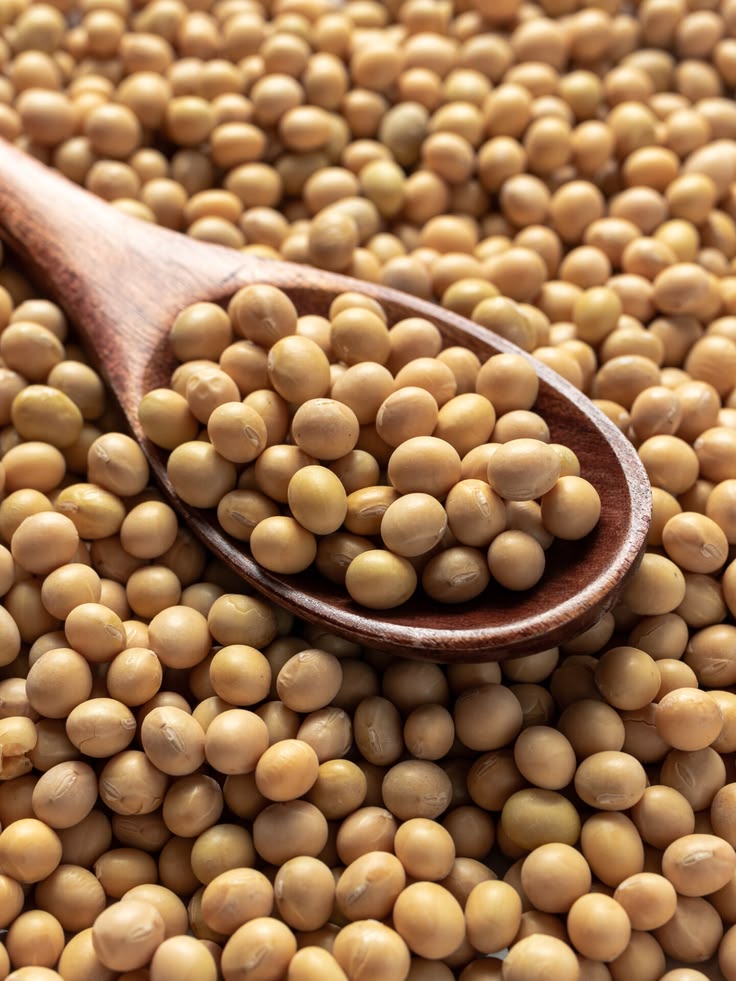
Soybeans
Soybeans (Glycine max) are among the most nutrient-dense legumes and are widely consumed across the world. Unlike many other legumes, soybeans contain substantial amounts of both protein and fat, making them an important source of plant-based nutrition.
Soy is particularly valued for its high-quality protein, dietary fiber, unsaturated fatty acids, vitamins, minerals, and naturally occurring bioactive compounds known as isoflavones.
Soybeans are used to produce a wide range of foods, including tofu, tempeh, soy milk, miso, natto, edamame, and textured vegetable protein. These products differ in their nutritional composition depending on processing methods and added ingredients.
Scientific research has investigated soy consumption in relation to cardiovascular health, cholesterol levels, menopausal symptoms, bone health, metabolic function, and certain types of cancer. Although some findings are promising, the strength of evidence varies considerably between health outcomes.
2. Types and Forms of Soy
Soy is available in several forms, each with different nutritional characteristics.
Whole Soybeans
Mature soybeans are harvested when the seeds have fully developed. They can be cooked and incorporated into soups, salads, stews, and other meals. They provide protein, fiber, unsaturated fats, and minerals.
Edamame
Edamame refers to immature green soybeans harvested before full maturity. They are commonly boiled or steamed and served as a snack or meal component. Edamame provides plant protein, fiber, folate, and vitamin K.
Tofu
Tofu is produced by coagulating soy milk and pressing the resulting curds into blocks. Its protein and mineral content vary according to firmness and the coagulant used. Calcium-set tofu can be a particularly useful source of calcium.
Tempeh
Tempeh is a fermented soybean product originating in Indonesia. Fermentation binds the soybeans into a firm cake and changes some of their nutritional and bioactive components. It is a concentrated source of plant protein and fiber.
Soy Milk
Soy milk is made by soaking, grinding, and processing soybeans with water. Unsweetened fortified soy milk can provide protein comparable to cow’s milk, although calcium, vitamin D, and vitamin B12 levels depend on fortification.
Miso and Natto
Miso is a fermented soybean paste commonly used in Japanese cuisine. Natto consists of fermented soybeans with a characteristic sticky texture and is notable for its vitamin K2 content.
Textured Soy Protein
Textured soy protein is generally produced from defatted soy flour or soy protein concentrates. It is frequently used as a meat substitute because of its protein content and texture.
3. Nutritional Value of Cooked Soybeans
The following table presents approximate nutritional values for 100 grams of mature soybeans, boiled without added salt.
| Nutrient | Amount per 100 g |
|---|---|
| Energy | 172 kcal |
| Protein | 18.2 g |
| Total carbohydrates | 8.4 g |
| Dietary fiber | 6.0 g |
| Total fat | 9.0 g |
| Iron | 5.1 mg |
| Calcium | 102 mg |
| Magnesium | 86 mg |
| Potassium | 515 mg |
| Phosphorus | 245 mg |
| Zinc | 1.2 mg |
Values are approximate and based on USDA FoodData Central data for mature soybeans, cooked by boiling without salt. Nutrient values can vary with soybean variety, cooking method, and water content.
Soybeans are particularly notable for their relatively high protein concentration compared with many other cooked legumes. They also contain considerably more fat, much of which consists of unsaturated fatty acids.
4. Important Nutrients and Bioactive Compounds
High-Quality Plant Protein
Soybeans contain all nine essential amino acids, making soy protein one of the most nutritionally complete plant-based protein sources.
Soy protein supports:
Muscle protein synthesis
Tissue repair and maintenance
Enzyme and hormone production
Normal immune function
Preservation of lean body mass
Soy can be especially useful for people following vegetarian or vegan diets.
Dietary Fiber
Soybeans provide both soluble and insoluble dietary fiber.
Fiber contributes to:
Normal bowel movements
Improved digestive function
Greater satiety after meals
Regulation of post-meal blood glucose responses
Maintenance of a healthy gut microbiome
Isoflavones
One of the most distinctive features of soybeans is their isoflavone content.
The main soy isoflavones include:
Genistein
Daidzein
Glycitein
Isoflavones are classified as phytoestrogens because their chemical structures allow them to interact with estrogen receptors.
However, their activity is considerably different from that of human estrogen. Their effects depend on factors such as tissue type, receptor activity, dose, and individual metabolism.
Some intestinal bacteria can convert daidzein into equol, a metabolite that may have different biological activity. However, not everyone produces equol.
Unsaturated Fatty Acids
Soybeans contain several types of unsaturated fats, including:
Linoleic acid (omega-6)
Alpha-linolenic acid (omega-3)
Oleic acid (monounsaturated fat)
Replacing foods high in saturated fat with sources of unsaturated fat can support a healthier cardiovascular dietary pattern.
Minerals and Vitamins
Soybeans provide several essential micronutrients, including:
Iron, required for oxygen transport and energy metabolism
Magnesium, involved in muscle and nerve function
Potassium, important for fluid balance and blood pressure regulation
Phosphorus, necessary for bone structure and cellular energy metabolism
Folate, essential for DNA synthesis and cell division
Vitamin K, involved in normal blood coagulation and bone metabolism
The exact amounts depend on the soybean product and its preparation.
5. Potential Health Benefits of Soybeans
5.1. Cardiovascular Health
Soy foods may contribute to cardiovascular health, particularly when they replace foods containing higher amounts of saturated fat.
Potential mechanisms include:
Replacing saturated-fat-rich animal protein with plant protein
Increasing dietary fiber intake
Providing unsaturated fatty acids
Supporting an overall heart-healthy dietary pattern
Some clinical studies have reported modest improvements in blood cholesterol levels following soy consumption. However, the effect is not consistently attributed to soy protein alone.
The European Food Safety Authority concluded that a cause-and-effect relationship between soy protein consumption and reduced LDL cholesterol had not been established based on the evidence it evaluated.
Therefore, soy should be considered part of a heart-healthy diet rather than a cholesterol-lowering treatment.
5.2. Support for Healthy Cholesterol Levels
Soy foods may have a modest favorable effect on lipid profiles in some populations.
Possible contributing factors include:
The replacement of animal protein sources
Unsaturated fat content
Dietary fiber
Other naturally occurring plant compounds
Evidence suggests that the overall food substitution pattern may be more important than soy protein supplementation alone.
5.3. Menopausal Symptoms
Soy isoflavones have attracted considerable research interest because of their interaction with estrogen receptors.
Some clinical trials suggest that soy isoflavones may modestly reduce the frequency or severity of menopausal hot flashes.
However, findings are inconsistent, and the response may differ according to:
The type of soy product
Isoflavone concentration
Duration of consumption
Individual metabolism
Whether the person produces equol
Soy foods may be included in a balanced diet during menopause, but they should not be considered a proven replacement for established medical treatments.
5.4. Bone Health
Isoflavones may influence bone metabolism through estrogen-receptor-related pathways and other cellular mechanisms.
Some studies suggest potential benefits for bone mineral density, particularly in postmenopausal women.
Nevertheless, research findings are mixed, and it remains uncertain whether regular soy consumption meaningfully reduces fracture risk.
Adequate calcium, vitamin D, protein intake, and regular weight-bearing exercise remain essential components of bone health.
5.5. Blood Glucose and Metabolic Health
Soybeans contain protein, fiber, and relatively low amounts of digestible carbohydrates compared with many other legumes.
These characteristics may contribute to:
Slower digestion of meals
Greater satiety
More moderate post-meal glucose responses
Improved dietary quality when replacing highly processed foods
Observational studies have reported associations between soy-rich dietary patterns and a lower risk of type 2 diabetes in some populations.
However, it is not yet established that soy itself prevents diabetes or improves blood glucose control in people who already have the condition.
5.6. Muscle Maintenance and Physical Performance
Soy protein provides all essential amino acids and can support muscle protein synthesis.
Research indicates that soy protein can contribute to muscle maintenance and recovery, particularly when total protein intake is adequate and combined with resistance training.
For individuals following plant-based diets, soy foods can be a practical way to increase protein intake.
However, muscle development depends on several factors, including:
Total daily protein intake
Protein distribution across meals
Resistance-training stimulus
Energy intake
Sleep and recovery
5.7. Gut Microbiome Support
Soybeans contain dietary fiber and fermentable carbohydrates that can be metabolized by intestinal microorganisms.
This process may produce short-chain fatty acids, including acetate, propionate, and butyrate.
These compounds participate in several physiological processes, including intestinal barrier function and metabolic signaling.
Fermented soy products such as tempeh, miso, and natto also contain microorganisms or fermentation-derived compounds. However, the microbial content of a product depends on processing and whether it is pasteurized or heat-treated after fermentation.
5.8. Cancer Research and Soy Consumption
The relationship between soy consumption and cancer has been extensively studied, particularly in relation to breast and prostate cancer.
Some observational studies have found associations between higher dietary soy intake and lower breast cancer risk, especially in populations where soy has been consumed regularly since early life.
However, observational associations do not prove that soy directly prevents cancer.
Current evidence does not justify using soy foods or concentrated isoflavone supplements as cancer prevention or treatment.
For people with a history of breast cancer, moderate consumption of traditional soy foods is generally considered different from taking high-dose isoflavone supplements. Individuals receiving cancer treatment should discuss concentrated supplements with their oncology team.
6. Potential Risks and Side Effects
Soy is generally considered safe for most people when consumed as a normal food, but several considerations are important.
6.1. Soy Allergy
Soy is a recognized food allergen.
Symptoms may include:
Skin rash or hives
Itching
Swelling of the lips or face
Vomiting or abdominal discomfort
Respiratory symptoms
Anaphylaxis in severe cases
People with a confirmed soy allergy should avoid soy-containing foods and follow medical advice.
6.2. Digestive Discomfort
Soybeans contain fermentable carbohydrates, including oligosaccharides such as raffinose and stachyose.
These compounds can be fermented by intestinal bacteria and may cause:
Bloating
Gas
Abdominal discomfort
Changes in bowel habits
People with irritable bowel syndrome may be particularly sensitive to certain soy products.
Tolerance varies between products. Firm tofu and some processed soy products may contain different amounts of fermentable carbohydrates than whole soybeans.
6.3. Thyroid Function
Soy contains compounds that may interfere with thyroid hormone synthesis under certain conditions, particularly when iodine intake is inadequate.
For most healthy individuals with adequate iodine intake, moderate soy consumption is not considered a major thyroid health concern.
However, soy foods may interfere with the absorption of levothyroxine, a medication used to treat hypothyroidism.
People taking levothyroxine should maintain consistent medication timing and follow their healthcare provider’s instructions regarding food and soy intake.
6.4. Isoflavones and Hormonal Effects
Because isoflavones interact with estrogen receptors, questions have been raised about their effects on hormonal balance.
Current evidence does not support the idea that normal dietary soy consumption causes clinically significant feminizing effects in men or disrupts hormone levels in most healthy adults.
However, concentrated isoflavone supplements provide much higher doses than typical foods and have less established long-term safety.
Whole soy foods are generally preferable to high-dose supplements unless supplementation is medically indicated.
6.5. Kidney Health
Soybeans contain protein, phosphorus, and potassium.
People with advanced chronic kidney disease may need individualized dietary guidance regarding these nutrients.
Soy is not automatically unsuitable for everyone with kidney disease, but the appropriate amount depends on kidney function, laboratory results, and the overall dietary plan.
6.6. Pregnancy and Breastfeeding
Traditional soy foods can be consumed as part of a balanced diet by many pregnant and breastfeeding individuals.
However, the safety of consuming concentrated soy isoflavone supplements in amounts exceeding normal dietary exposure is not well established.
Whole foods should be distinguished from concentrated extracts and supplements.
7. How to Prepare Soybeans Properly
Proper preparation improves the texture, digestibility, and safety of whole soybeans.
Preparation Steps
Rinse dried soybeans thoroughly.
Remove damaged or discolored beans.
Soak the beans in plenty of water, preferably for 8–12 hours.
Discard the soaking water and rinse the beans.
Add fresh water and cook until the beans are completely tender.
Use a suitable cooking method that provides adequate heat throughout the beans.
Raw or inadequately cooked soybeans should not be consumed as a substitute for properly prepared soy foods.
Fermented soy products such as tempeh, miso, and natto are prepared using controlled processing methods and should be purchased from reliable food producers.
Ways to Include Soy in Your Diet
Soy can be incorporated into meals in several ways:
Add cooked soybeans to salads and vegetable bowls.
Use tofu in stir-fries and soups.
Include tempeh as a plant-based protein source.
Choose unsweetened, fortified soy milk.
Add edamame to grain bowls or salads.
Use textured soy protein in suitable recipes.
8. Recommended Intake
There is no single universally established daily requirement for soy foods.
Research studies have commonly examined dietary patterns that include approximately one to two servings of traditional soy foods per day.
A serving may include:
Approximately ½ cup of cooked soybeans or edamame
Around 85–100 g of tofu
Approximately 1 cup of unsweetened soy milk
These are practical food portions, not medical prescriptions.
Individual needs vary according to energy requirements, total protein intake, dietary preferences, allergies, and health conditions.
9. Who May Benefit from Including Soy in Their Diet?
Soy foods may be particularly useful for:
Vegetarians and vegans: As a source of high-quality plant protein.
People seeking to improve dietary quality: Especially when soy replaces foods high in saturated fat.
Older adults: As one option for maintaining adequate protein intake.
Physically active individuals: To support daily protein requirements and muscle maintenance.
Women experiencing menopause: As a dietary source of isoflavones, although symptom benefits are not guaranteed.
People seeking more plant-based meals: Because soy is versatile and available in many forms.
People with soy allergies or specific medical and dietary restrictions should seek individualized advice.
10. Frequently Asked Questions
Is soy a complete protein?
Yes. Soy contains all nine essential amino acids and is considered a complete plant-based protein source.
Is eating soy every day safe?
For most people without soy allergies, regular consumption of traditional soy foods can be part of a balanced diet. The safety of high-dose isoflavone supplements is less established.
Does soy increase estrogen levels?
Soy isoflavones can interact with estrogen receptors, but they are not equivalent to human estrogen. Normal dietary soy consumption has not been shown to produce the same hormonal effects as estrogen.
Is soy beneficial for men?
Yes. Soy can provide high-quality protein, fiber, unsaturated fats, and minerals. Current evidence does not support the common claim that normal soy consumption causes feminization in men.
Can soy help reduce cholesterol?
Some studies report modest improvements in cholesterol levels. However, the effect may depend on what soy replaces in the diet, and evidence for an independent cholesterol-lowering effect of soy protein is inconsistent.
Is soy suitable for people with hypothyroidism?
Many people with hypothyroidism can consume soy foods. However, soy may interfere with levothyroxine absorption, so medication timing should be discussed with a healthcare professional.
Are fermented soy products healthier than regular soybeans?
Fermentation changes the composition, flavor, digestibility, and bioactive compounds of soy. However, it is not accurate to claim that every fermented soy product is automatically healthier than whole cooked soybeans. Sodium content and processing methods also matter.
11. Conclusion
Soybeans are nutrient-dense legumes that provide high-quality plant protein, dietary fiber, unsaturated fatty acids, essential minerals, and bioactive compounds such as isoflavones.
Their inclusion in a balanced dietary pattern may support protein adequacy, cardiovascular nutrition, and overall dietary quality. Some evidence also suggests potential benefits for menopausal symptoms and bone health, although results are not consistent across all studies.
The strongest practical reason to include soy is its nutritional value and versatility as a plant-based protein source. Traditional soy foods such as edamame, tofu, tempeh, and unsweetened soy milk can be useful components of a varied diet.
As with other foods, individual tolerance, preparation methods, portion sizes, and medical circumstances should be considered. Whole soy foods should also be distinguished from concentrated supplements, which may have different safety profiles.
Scientific References
National Center for Complementary and Integrative Health (NCCIH). Soy: Usefulness and Safety.
https://www.nccih.nih.gov/health/soyU.S. Department of Agriculture (USDA). FoodData Central. Nutritional data for mature soybeans, cooked and boiled without salt.
https://fdc.nal.usda.gov/European Food Safety Authority (EFSA). Scientific Opinion on the substantiation of a health claim related to soy protein and reduction of blood cholesterol concentrations. EFSA Journal. 2010;8(7):1688.
https://doi.org/10.2903/j.efsa.2010.1688Sacks FM, et al. Soy protein, isoflavones, and cardiovascular health: An American Heart Association Science Advisory. Circulation. 2006;113:1034–1044.
https://doi.org/10.1161/CIRCULATIONAHA.106.171052National Cancer Institute. Information on soy and cancer research.
https://www.cancer.gov/Memorial Sloan Kettering Cancer Center. Soy: Clinical Summary and Evidence Review.
https://www.mskcc.org/cancer-care/integrative-medicine/herbs/soy
Medical Disclaimer
This article is intended for educational and informational purposes only. It does not replace professional medical advice, diagnosis, or treatment. Individuals with food allergies, thyroid disorders, kidney disease, a history of hormone-sensitive cancer, or those taking prescription medications should consult a qualified healthcare professional before making significant dietary changes or using concentrated soy supplements.
Mung bean
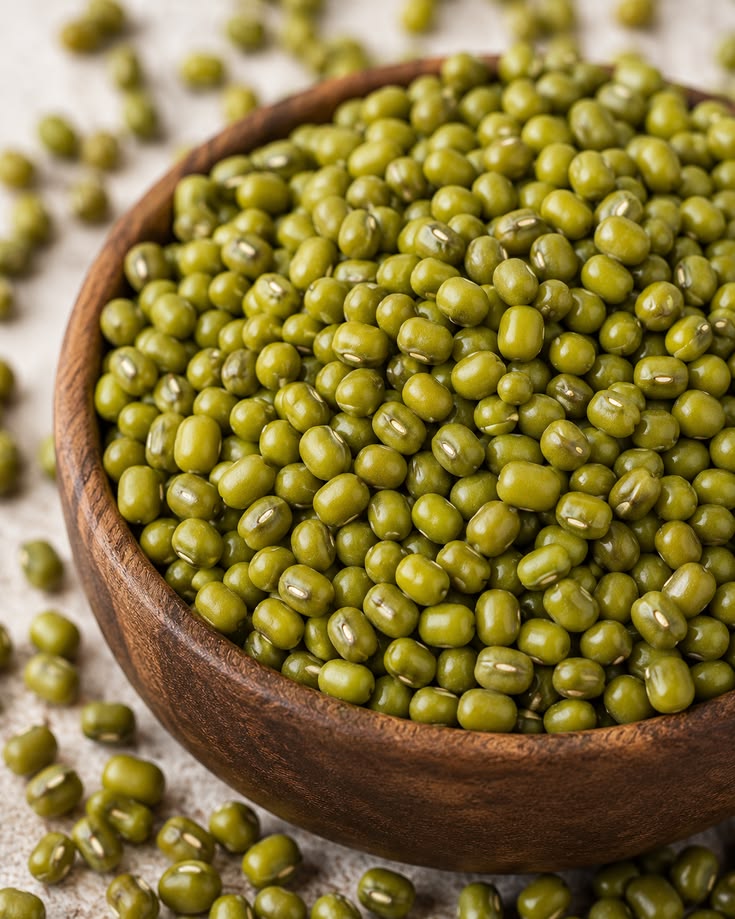
Mung Beans
Mung beans (Vigna radiata), also known as green gram, are small green legumes widely consumed in Asian, Middle Eastern, and other cuisines. They are valued for their plant-based protein, dietary fiber, complex carbohydrates, vitamins, minerals, and naturally occurring bioactive compounds.
Mung beans can be eaten whole, split, peeled, sprouted, or processed into flour and starch-based products. They are used in soups, stews, salads, porridges, desserts, and noodles.
Like other legumes, mung beans provide nutrients that support normal metabolic function, digestive health, and overall dietary quality. They also contain phenolic compounds and flavonoids that have attracted scientific interest because of their antioxidant and other biological activities.
Research suggests that mung beans may have potential metabolic and health-related benefits. However, much of the evidence comes from laboratory experiments and animal studies, and more high-quality human research is needed before specific therapeutic effects can be established.
2. Types and Forms of Mung Beans
Mung beans are available in several forms, each with different culinary uses and nutritional characteristics.
Whole Green Mung Beans
Whole mung beans retain their green outer seed coat. They are commonly used in soups, stews, curries, and salads.
Because the seed coat contains fiber and plant compounds, whole mung beans provide a useful combination of protein, carbohydrates, and dietary fiber.
Split and Hulled Mung Beans
These are produced by removing the outer seed coat and splitting the beans.
They are usually yellow or pale yellow and cook more quickly than whole mung beans. They are commonly used in dals, porridges, soups, and purees.
Removing the seed coat changes the fiber content and the concentration of some naturally occurring plant compounds.
Mung Bean Sprouts
Mung bean sprouts are produced by germinating whole mung beans under controlled moisture and temperature conditions.
Germination activates enzymes and changes the composition of the seeds. Sprouts generally contain more water and fewer calories per 100 grams than cooked mature beans.
They can be used in salads, stir-fries, sandwiches, and other dishes, but food safety is especially important because raw sprouts can carry harmful bacteria.
Mung Bean Flour
Mung bean flour is made by grinding dried mung beans. It can be used in pancakes, baked goods, noodles, and other recipes.
Its nutritional profile depends on whether the flour is made from whole beans or dehulled beans.
Mung Bean Starch and Glass Noodles
Mung bean starch is extracted from the beans and used to produce translucent glass noodles, also known as cellophane noodles.
These noodles are primarily a carbohydrate source and should not be considered nutritionally equivalent to whole mung beans. Much of the original protein, fiber, and micronutrients is removed during starch extraction.
3. Nutritional Value of Cooked Mung Beans
The following table presents approximate nutritional values for 100 grams of mature mung beans, boiled without added salt.
| Nutrient | Amount per 100 g |
|---|---|
| Energy | 105 kcal |
| Protein | 7.0 g |
| Total carbohydrates | 19.2 g |
| Dietary fiber | 7.6 g |
| Total fat | 0.4 g |
| Iron | 1.4 mg |
| Calcium | 27 mg |
| Magnesium | 48 mg |
| Potassium | 266 mg |
| Phosphorus | 99 mg |
| Zinc | 0.8 mg |
| Folate | 159 µg |
Values are approximate and based on USDA FoodData Central data for mature mung beans, cooked by boiling without salt. Nutrient values vary according to variety, cooking method, and water content.
Mung beans are particularly notable for their combination of dietary fiber, complex carbohydrates, and plant protein. They are naturally low in fat and provide folate, magnesium, potassium, and other essential micronutrients.
Important: These values apply to cooked mature mung beans, not dry seeds, sprouts, mung bean flour, or mung bean starch noodles.
4. Important Nutrients and Bioactive Compounds
Plant-Based Protein
Mung beans contain approximately 20–30% protein by dry weight, depending on the variety and growing conditions.
Their protein contains several essential amino acids, including:
Leucine
Lysine
Valine
Isoleucine
Phenylalanine
Histidine
However, mung bean protein is relatively limited in sulfur-containing amino acids, particularly methionine and cysteine.
Combining mung beans with grains such as rice or wheat can improve the overall amino acid balance of a meal.
Protein contributes to:
Muscle maintenance and repair
Enzyme and hormone production
Immune system function
Tissue growth and maintenance
Normal metabolic processes
Dietary Fiber
Mung beans provide both soluble and insoluble dietary fiber.
Fiber supports:
Normal bowel movements
Digestive health
Satiety and appetite regulation
More gradual absorption of nutrients
The maintenance of a healthy gut microbiome
Some fermentable carbohydrates in mung beans are also metabolized by intestinal bacteria.
Complex Carbohydrates and Resistant Starch
Mung beans contain starch, which provides energy.
A portion of their starch may resist digestion in the small intestine and reach the large intestine, where it can be fermented by gut microorganisms.
Resistant starch may contribute to:
Short-chain fatty acid production
Gut microbial activity
Improved post-meal glucose responses in certain dietary contexts
The amount of resistant starch depends on the bean variety, cooking conditions, cooling, and storage.
Folate
Mung beans are a useful source of folate, a B vitamin essential for:
DNA synthesis
Normal cell division
Red blood cell formation
Early fetal neural tube development
Adequate folate intake is particularly important before conception and during early pregnancy.
However, mung beans should not be considered a replacement for recommended folic acid supplementation during pregnancy planning.
Minerals
Mung beans provide several important minerals:
Iron: Required for hemoglobin production and oxygen transport.
Magnesium: Involved in muscle function, nerve signaling, and energy metabolism.
Potassium: Supports normal fluid balance, nerve function, and muscle contraction.
Phosphorus: Contributes to bone structure and cellular energy metabolism.
Zinc: Supports immune function, wound healing, and normal cell growth.
Plant-based iron is non-heme iron, which is generally less readily absorbed than heme iron from animal foods.
Consuming mung beans with vitamin C-rich foods, such as tomatoes, citrus fruits, or bell peppers, can improve non-heme iron absorption.
Polyphenols and Flavonoids
Mung beans contain naturally occurring plant compounds, including:
Phenolic acids
Flavonoids
Vitexin
Isovitexin
Some of these compounds demonstrate antioxidant activity in laboratory experiments.
They may help neutralize reactive oxygen species under experimental conditions and influence cellular signaling pathways.
However, laboratory antioxidant activity does not automatically translate into proven clinical benefits in humans.
5. Potential Health Benefits of Mung Beans
5.1. Support for Digestive Health
Mung beans contain dietary fiber and fermentable carbohydrates that contribute to normal digestive function.
Fiber increases stool bulk and helps support regular bowel movements.
Certain fermentable components can also be used by gut microorganisms, potentially contributing to the production of short-chain fatty acids.
These compounds participate in:
Intestinal barrier maintenance
Local immune regulation
Gut microbial metabolism
Communication between the gut and other metabolic organs
However, individual tolerance varies, and some people may experience gas or bloating after eating mung beans.
5.2. Blood Glucose Regulation
Mung beans contain complex carbohydrates, fiber, and protein.
These components may help slow digestion and moderate the rate at which glucose enters the bloodstream compared with meals dominated by refined carbohydrates.
Potential mechanisms include:
Delayed gastric emptying in mixed meals
Slower carbohydrate digestion
Increased dietary fiber intake
Fermentation of resistant starch in the colon
Some laboratory and animal studies have also investigated mung bean peptides and extracts for their potential effects on enzymes involved in carbohydrate digestion.
Nevertheless, evidence from human clinical trials remains limited. Mung beans should not be described as a treatment or cure for diabetes.
5.3. Cardiovascular Health
Mung beans may contribute to cardiovascular health as part of a balanced dietary pattern.
Potential mechanisms include:
Providing dietary fiber
Replacing foods rich in saturated fat
Supplying potassium and magnesium
Supporting overall dietary quality
Higher fiber intake is associated with improved cardiovascular health in broader dietary research.
However, direct evidence that mung beans independently prevent cardiovascular disease is currently insufficient.
5.4. Antioxidant Activity
Mung beans contain phenolic compounds and flavonoids that demonstrate antioxidant activity in laboratory studies.
These compounds may interact with oxidative pathways and help limit oxidative damage under experimental conditions.
Some research has also investigated their effects on inflammatory signaling and cellular stress.
However, antioxidant activity measured in test tubes or animal models cannot be interpreted as proof that eating mung beans prevents oxidative-stress-related diseases in humans.
5.5. Weight Management and Satiety
Mung beans may be useful in weight-management diets because they provide:
Dietary fiber
Plant protein
Complex carbohydrates
Relatively low energy density when cooked
Fiber and protein can increase feelings of fullness, potentially helping people manage overall energy intake.
However, weight management depends on total energy balance, dietary patterns, physical activity, sleep, and other individual factors.
Mung beans do not directly cause fat loss.
5.6. Support for Healthy Blood Pressure
Mung beans contain potassium and magnesium, two minerals involved in normal cardiovascular and neuromuscular function.
Potassium contributes to the regulation of fluid balance and helps counterbalance some of the effects of sodium.
Magnesium participates in vascular smooth muscle function and normal blood pressure regulation.
Including potassium-rich plant foods in a balanced dietary pattern may support healthy blood pressure.
However, eating mung beans alone has not been established as a treatment for hypertension.
5.7. Potential Anti-Inflammatory Effects
Certain mung bean extracts and isolated compounds have demonstrated anti-inflammatory activity in experimental studies.
Researchers have investigated their potential influence on inflammatory mediators and signaling pathways.
These findings are scientifically interesting, but most evidence remains preclinical.
There is not enough high-quality human evidence to conclude that consuming mung beans has a clinically meaningful anti-inflammatory effect or treats inflammatory diseases.
5.8. Nutritional Support During Pregnancy
Mung beans provide folate, iron, protein, and other nutrients that contribute to normal maternal nutrition.
Folate is particularly important during early pregnancy because it supports DNA synthesis and normal neural tube development.
Mung beans can therefore be included in a varied pregnancy diet when properly prepared.
However, their folate content does not replace recommended folic acid supplementation, and raw or lightly cooked sprouts should be avoided during pregnancy because of foodborne illness risk.
6. Potential Risks and Side Effects
Mung beans are generally safe for most people when properly prepared and consumed as part of a balanced diet. Nevertheless, some potential concerns should be considered.
6.1. Digestive Discomfort
Mung beans contain fermentable oligosaccharides, including raffinose-family carbohydrates.
These compounds may be fermented by intestinal bacteria and can cause:
Gas
Bloating
Abdominal discomfort
Changes in bowel habits
People with irritable bowel syndrome or sensitivity to fermentable carbohydrates may experience more noticeable symptoms.
Soaking, rinsing, and thoroughly cooking mung beans may improve tolerance in some individuals.
6.2. Antinutritional Compounds
Like many legumes, mung beans naturally contain compounds that can reduce the digestion or absorption of certain nutrients.
These include:
Phytic acid
Tannins
Trypsin inhibitors
Certain lectins and other enzyme inhibitors
Phytic acid can bind minerals such as iron and zinc, reducing their absorption under certain dietary conditions.
Trypsin inhibitors can interfere with protein digestion when beans are raw or inadequately processed.
Soaking, germination, fermentation, and adequate cooking can reduce the levels or activity of several antinutritional compounds.
Proper preparation improves the nutritional usability of mung beans.
6.3. Foodborne Illness from Raw Sprouts
Mung bean sprouts require particular attention because the warm, humid conditions used for germination can also support bacterial growth.
Sprouts may become contaminated with pathogens such as:
Salmonella
Shiga toxin-producing Escherichia coli
Washing alone may not reliably remove these bacteria.
Pregnant individuals, young children, older adults, and people with weakened immune systems should avoid raw or lightly cooked sprouts.
Thorough cooking is the safer option for these groups.
6.4. Allergic Reactions
Although mung bean allergy is less commonly discussed than allergies to some other legumes, allergic reactions can occur.
Possible symptoms include:
Itching or hives
Swelling of the lips or face
Digestive symptoms
Respiratory symptoms
Severe allergic reactions in susceptible individuals
People with a known mung bean allergy should avoid products containing it and seek medical advice.
6.5. Kidney Disease Considerations
Mung beans contain potassium, phosphorus, and protein.
People with advanced chronic kidney disease may need to manage their intake of these nutrients according to kidney function and laboratory results.
Mung beans are not automatically unsuitable for everyone with kidney disease, but portion sizes and preparation methods may need individual adjustment.
7. How to Prepare Mung Beans Properly
Proper preparation can improve texture, digestibility, and food safety.
Preparing Whole Dried Mung Beans
Sort the beans and remove any damaged or discolored seeds.
Rinse thoroughly under clean running water.
Soak for approximately 4–8 hours if desired, although soaking is not always necessary.
Discard the soaking water and rinse again.
Add fresh water and cook until the beans are completely tender.
Use adequate cooking time and avoid consuming raw or undercooked mature beans.
Cooking times vary according to bean age, variety, soaking, and cooking equipment.
Preparing Mung Bean Sprouts
Sprouting requires clean seeds, potable water, hygienic equipment, and careful temperature control.
Because sprouts have been associated with foodborne illness outbreaks, thorough cooking is safer than eating them raw, especially for people at higher risk of infection.
Ways to Include Mung Beans in Your Diet
Mung beans are versatile and can be incorporated into many meals:
Add cooked mung beans to vegetable soups.
Use them in traditional dals and stews.
Combine them with rice or whole grains.
Add cooked beans to salads.
Use mung bean flour in pancakes or savory recipes.
Include thoroughly cooked mung bean sprouts in stir-fries.
Pairing mung beans with vitamin C-rich vegetables can help improve the absorption of plant-based iron.
8. Recommended Intake
There is no universally established daily requirement specifically for mung beans.
A practical serving may include approximately:
½ cup of cooked mung beans (around 90–100 g)
1 cup of cooked mung bean sprouts, depending on preparation
A suitable portion of mung bean flour or other processed products
These are practical serving suggestions rather than medical prescriptions.
The appropriate amount depends on total dietary requirements, digestive tolerance, protein needs, and individual health conditions.
For a balanced diet, mung beans can be alternated with other legumes such as lentils, chickpeas, peas, and different varieties of beans.
9. Who May Benefit from Including Mung Beans in Their Diet?
Mung beans may be particularly useful for:
Vegetarians and vegans: As an additional source of plant-based protein and minerals.
People seeking higher fiber intake: Because cooked mung beans provide substantial dietary fiber.
Physically active individuals: As a source of carbohydrates and plant protein within meals.
People focusing on cardiovascular dietary quality: Especially when mung beans replace foods high in saturated fat.
People seeking affordable plant-based foods: Because dried mung beans are versatile and can be stored for extended periods.
Individuals seeking dietary variety: As an alternative to more commonly consumed legumes.
People with kidney disease, digestive sensitivities, or legume allergies may require individualized dietary guidance.
10. Frequently Asked Questions
Are mung beans a good source of protein?
Yes. Mung beans provide plant-based protein and several essential amino acids. However, their sulfur-containing amino acids, particularly methionine and cysteine, are relatively limited. Combining them with grains can improve the overall amino acid balance of a meal.
Are mung beans healthier than lentils or chickpeas?
Not necessarily. Mung beans, lentils, and chickpeas have different nutritional profiles. Mung beans are relatively low in fat and provide fiber and folate, while lentils and chickpeas generally provide more protein per 100 grams when cooked. The best choice depends on dietary needs and food variety.
Can mung beans help with weight loss?
Mung beans can support a weight-management diet because of their fiber and protein content, which may improve satiety. However, they do not directly cause weight loss. Overall energy intake and lifestyle habits remain important.
Are mung bean sprouts more nutritious than whole mung beans?
Sprouting changes the nutritional composition of mung beans and can alter the availability of certain nutrients and plant compounds. However, sprouts contain much more water and usually provide fewer calories and less protein per 100 grams than cooked mature beans. Neither form is universally superior.
Can people with diabetes eat mung beans?
Mung beans can be included in many diabetes-friendly dietary patterns because they contain fiber, protein, and complex carbohydrates. Portion size and the composition of the overall meal remain important. They are not a substitute for diabetes medication or medical treatment.
Do mung beans contain gluten?
Naturally, mung beans are gluten-free. However, processed products may be contaminated during manufacturing or contain additional ingredients. People with celiac disease should check product labels and manufacturing information.
Is it safe to eat raw mung bean sprouts?
Raw sprouts can carry harmful bacteria, including Salmonella and certain strains of E. coli. Thorough cooking is safer, particularly for pregnant individuals, young children, older adults, and people with weakened immune systems.
11. Conclusion
Mung beans (Vigna radiata) are nutrient-rich legumes that provide plant-based protein, dietary fiber, complex carbohydrates, folate, magnesium, potassium, and several bioactive plant compounds.
Their nutritional composition makes them a useful addition to balanced diets, particularly for people seeking affordable plant-based foods and greater dietary variety.
Research has identified potential antioxidant, metabolic, and anti-inflammatory properties of mung bean compounds. However, much of this evidence remains based on laboratory and animal studies, and more human clinical research is needed to confirm specific health effects.
Proper preparation is important for improving digestibility and reducing antinutritional compounds. Special care should also be taken with mung bean sprouts because raw sprouts can carry foodborne pathogens.
Overall, cooked mung beans can be a valuable part of a varied, fiber-rich dietary pattern.
Scientific References
Sudhakaran SMN, Bukkan DS. A review on nutritional composition, antinutritional components and health benefits of green gram (Vigna radiata (L.) Wilczek). Journal of Food Biochemistry. 2021;45(6).
https://doi.org/10.1111/jfbc.13743U.S. Department of Agriculture (USDA). FoodData Central. Nutritional data for mature mung beans, cooked and boiled without salt.
https://fdc.nal.usda.gov/Tang D, Dong Y, Ren H, Li L, He C. A review of phytochemistry, metabolite changes, and medicinal uses of the common food mung bean and its sprouts (Vigna radiata). Chemistry Central Journal. 2014;8:4.
https://doi.org/10.1186/1752-153X-8-4Ganesan K, Xu B. A review on phytochemical composition and health-promoting effects of mung bean (Vigna radiata). Journal of Food Science and Technology. 2018;55:1983–1995.
https://doi.org/10.1007/s13197-018-3180-5EFSA Panel on Nutrition, Novel Foods and Food Allergens (NDA). Safety of mung bean protein as a novel food pursuant to Regulation (EU) 2015/2283. EFSA Journal. 2021;19(7):6846.
https://doi.org/10.2903/j.efsa.2021.6846U.S. Food and Drug Administration (FDA). Selecting and Serving Produce Safely. Food safety guidance, including advice on raw sprouts.
https://www.fda.gov/food/buy-store-serve-safe-food/selecting-and-serving-produce-safelyHealth Canada. Food Safety Tips for Sprouts.
https://www.canada.ca/en/health-canada/services/food-safety-fruits-vegetables/sprouts.html
Medical Disclaimer
This article is intended for educational and informational purposes only. It does not replace professional medical advice, diagnosis, or treatment. Individuals with chronic kidney disease, food allergies, digestive disorders, or other medical conditions should consult a qualified healthcare professional before making significant dietary changes. Pregnant individuals and people with weakened immune systems should avoid raw or lightly cooked mung bean sprouts because of the risk of foodborne illness.
No comment