

Fruits: A Scientific Look at One of the Most Important Food Groups
Botanically, a fruit is the mature ovary of a flowering plant, containing the seeds. In cooking and nutrition the term is used more loosely: plants such as tomatoes and cucumbers are botanically fruits but are usually grouped with vegetables. In this series, “fruit” refers to the foods people typically eat as fruit in their everyday diet.
Fruits are a natural source of a wide range of nutrients and bioactive compounds, including vitamin C, folate, potassium, dietary fiber (such as pectin), carotenoids, and polyphenols like flavonoids and anthocyanins. Water makes up a large share of their weight, so they have a low energy density and provide substantial volume for relatively few calories.
The sugars in fruit (fructose, glucose, and sucrose) are contained within the cellular structure and accompanied by fiber, which slows their absorption compared with free sugars. For this reason, the World Health Organization does not count the sugars in whole fruit as “free sugars,” while fruit juice is counted as a source of them. The difference between whole fruit, juice, and dried fruit is one of the key nutritional points we will return to throughout this series.
Cohort studies and meta-analyses have linked higher fruit intake with a lower risk of cardiovascular disease, stroke, type 2 diabetes, and all-cause mortality. Much of this evidence is observational, though, and as with any nutrition research, confounding factors such as overall lifestyle cannot be fully ruled out. The WHO recommends at least 400 grams of fruits and vegetables per day (about five portions).
The benefits of fruit cannot simply be replaced by supplements. Large trials of antioxidant supplements, such as beta-carotene in smokers, showed no benefit and in some cases increased risk. The effect of fruit appears to come from the synergy of its many compounds within the food matrix, not from any single isolated nutrient.
Even so, fruit is not identical for everyone in every situation. Allergies and oral allergy syndrome, chronic kidney disease with potassium restriction, fructose malabsorption, dental enamel erosion, pesticide residues, and interactions between certain fruits and medications (such as grapefruit) are among the topics covered individually in each fruit’s article.
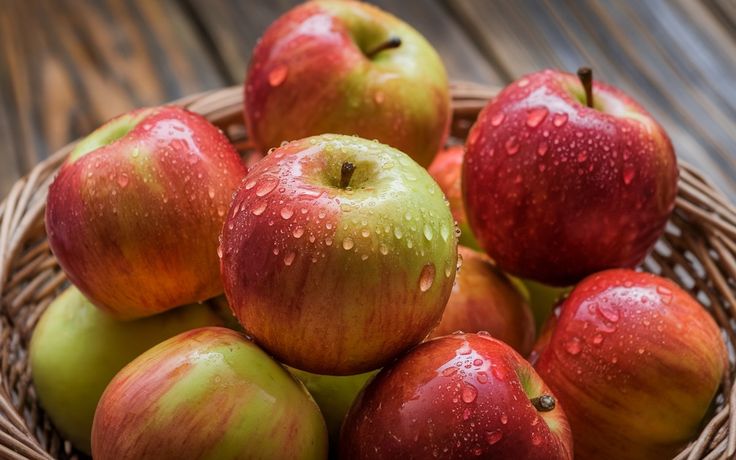
Apple (Malus domestica): A Complete Scientific Guide
Overview and origin
The apple belongs to the rose family (Rosaceae), alongside pears, plums, cherries and almonds. Genetic studies trace the domesticated apple to the wild Malus sieversii of the Tian Shan mountains in Central Asia, and the fruit spread westward along the Silk Road. Thousands of cultivars exist today, bred for sweetness, acidity, crispness, color, storage life and disease resistance.
Common varieties
- Gala: mild, sweet, thin-skinned, popular for fresh eating.
- Fuji: very sweet and crisp, stores well.
- Honeycrisp: exceptionally crisp and juicy, balanced sweet-tart.
- Granny Smith: green, firm and tart (higher acidity), good for both baking and eating.
- Golden Delicious: mellow and sweet, holds shape when cooked.
- Red Delicious: deep red skin, mild flavor, often thicker peel.
- Pink Lady (Cripps Pink) and Braeburn: balanced and aromatic, good keepers.
- Bramley and other cooking apples: very tart, break down into a purée when cooked.
- Crabapples: small, tannic and pectin-rich, used mainly for jellies and cider.
Flavor differences come mostly from the sugar to acid ratio, not from large nutritional differences. Red and darker-skinned varieties tend to have more anthocyanins in the peel.
Nutritional profile
Per 100 g of raw apple with skin, the energy content is about 52 kcal, with roughly 13.8 g carbohydrate, 85.6 g water, 107 mg potassium and 4.6 mg vitamin C. Dietary fiber is about 2.4 g, and of the sugars, fructose predominates (about 5.9 g), followed by glucose (about 2.4 g). So apples are not a rich vitamin C source; claims that say otherwise are exaggerated. Their value lies in fiber, water, polyphenols and low energy density. steemitfitnessvolt
Key bioactive compounds include pectin (soluble fiber), chlorogenic acid, procyanidins and epicatechin, quercetin glycosides (concentrated in the peel), phloridzin (a compound characteristic of apples) and anthocyanins in red skins. The peel holds a large share of the polyphenols and fiber, so eating apples unpeeled (and well washed) is nutritionally better.
Health benefits and strength of evidence
- Type 2 diabetes: a large analysis of three US cohorts (BMJ, 2013) linked whole fruits such as apples, blueberries and grapes with lower diabetes risk, while fruit juice was associated with higher risk. Apples have a low glycemic index, roughly in the high 30s.
- Cholesterol and heart health: a randomized crossover trial (Koutsos et al., 2020) found that two apples a day for eight weeks modestly lowered total and LDL cholesterol in adults with mildly raised levels. A Dutch cohort also linked white-fleshed fruits and vegetables, mainly apples and pears, with lower stroke incidence. Evidence is encouraging but largely modest and observational.
- Satiety and weight: in a controlled study, eating a whole apple before a meal reduced subsequent energy intake more than applesauce or apple juice, showing that the intact fruit and its fiber matter.
- Gut health: pectin is fermented by gut bacteria into short-chain fatty acids. Evidence in humans is still limited.
- Cancer and lung health: observational studies suggest possible associations, but the evidence is inconsistent and does not support claims that apples prevent or treat cancer.
- “An apple a day keeps the doctor away”: a 2015 JAMA Internal Medicine study found apple eaters were not less likely to visit doctors, though they were somewhat more likely to avoid prescription medication. The saying is charming, not clinical proof.
Risks and precautions
- Allergy: in birch-pollen-allergic people, the apple protein Mal d 1 can cause oral allergy syndrome (itching of the mouth and throat). It is heat-sensitive, so cooked apple is often tolerated. A different protein, Mal d 3 (a lipid transfer protein), is heat-stable, concentrated in the peel and linked to more severe reactions in some regions. Anyone with systemic symptoms should see an allergist.
- Seeds: apple seeds contain amygdalin, which can release cyanide when crushed and digested. Swallowing a few whole seeds is generally harmless, but chewing or pulverizing large amounts should be avoided.
- Digestive intolerance: apples are high in FODMAPs (excess fructose and sorbitol) and can trigger bloating, gas or diarrhea in people with IBS or fructose malabsorption.
- Dental health: apples do not clean teeth. Their acids and sugars can contribute to enamel erosion, especially with juice and frequent sipping. Rinse with water afterward and wait before brushing.
- Pesticide residues: wash apples under running water while rubbing. A 2017 study found that a baking soda solution (about 1% for 12 to 15 minutes) removed more surface residues than tap water, though residues that penetrate the peel are not removed by washing.
- Drug interactions: apple juice (like grapefruit and orange juice) can inhibit the OATP transporters that absorb some drugs, notably reducing absorption of fexofenadine. Patients taking time-sensitive medications should follow their label or ask a pharmacist.
- Juice and dried apple: the WHO counts sugars in juice as free sugars, and dried apple is energy-dense, with the dried form around 238 kcal per 100 g compared with about 52 for fresh. Whole fruit is the better everyday choice. patient
- Kidney disease: fresh apple is relatively low in potassium, but concentrated forms (juice, dried) are not, so those on potassium restriction should follow their care team’s advice.
- Young children: purée is fine in complementary feeding, but raw hard pieces are a choking hazard.
Practical tips
One medium apple counts as one portion toward the WHO target of 400 g of fruits and vegetables a day. Store apples in the refrigerator, away from other produce, because they release ethylene, which speeds up ripening of nearby fruit.
Interesting fact: phlorizin was first isolated from apple tree bark in the 1800s, and its study eventually inspired SGLT2-inhibitor diabetes drugs. Eating apples, however, does not produce this drug effect.
References (verify against the originals before publishing)
- USDA FoodData Central: Apples, raw, with skin.
- Muraki I, et al. BMJ 2013;347:f5001.
- Koutsos A, et al. Am J Clin Nutr 2020;111(2):307-318.
- Oude Griep LM, et al. Stroke 2011;42:3190-3195.
- Flood-Obbagy JE, Rolls BJ. Appetite 2009;52(2):416-422.
- Davis MA, et al. JAMA Intern Med 2015;175(5):777-783.
- Dresser GK, et al. Clin Pharmacol Ther 2002;71:11-20.
- Yang T, et al. J Agric Food Chem 2017;65(44):9744-9752.
- Cornille A, et al. PLoS Genet 2012;8(5):e1002703.
- Boyer J, Liu RH. Nutr J 2004;3:5.
- WHO: Fruit and vegetable intake and free sugars guidelines.
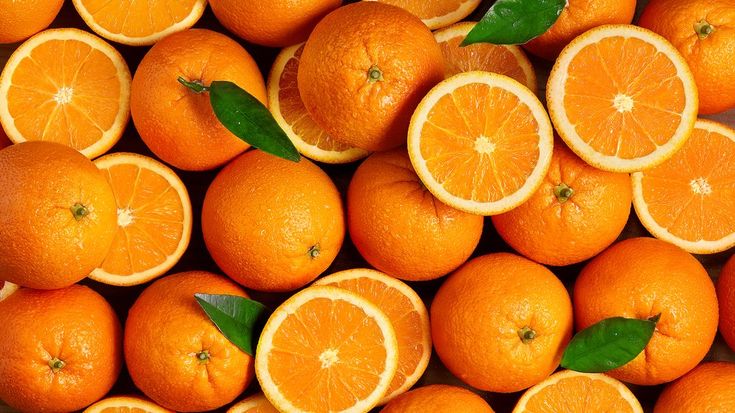
Orange (Citrus × sinensis): A Complete Scientific Guide
Overview and origin
The sweet orange belongs to the citrus genus in the Rutaceae family. Genomic studies show it is an ancient hybrid between pomelo (Citrus maxima) and mandarin (Citrus reticulata), first cultivated in southern China, northeastern India and neighboring regions thousands of years ago. Bitter oranges reached the Middle East and Mediterranean first via trade, and sweet oranges spread to Europe later. The English word “orange” traces back through Persian nārang to Sanskrit, a reminder of the fruit’s route along trade networks. Today oranges are one of the most widely grown fruit crops in the world, and Iran’s citrus belt is centered in the northern provinces such as Mazandaran.
Common varieties
- Navel: seedless, thick peel, easy to peel and segment, best eaten fresh. Its juice turns bitter soon after squeezing as limonin forms.
- Valencia: thin-skinned, very juicy, the classic juicing orange.
- Blood oranges (Moro, Tarocco, Sanguinello): red flesh from anthocyanins, which only develop in cool nights.
- Cara Cara: a pink-fleshed navel colored by lycopene.
- Related but separate fruits: mandarins, tangerines and clementines (easy-peel), and bitter or Seville oranges (Citrus × aurantium), used for marmalade.
A green tinge on an orange’s skin does not mean it is unripe. In warm climates, ripe oranges can re-green. Oranges do not ripen further after harvest, so what you buy is what you get.
Nutritional profile
Per 100 g of raw orange, there are about 47 kcal, 11.75 g carbohydrate (9.35 g of it sugars), 2.4 g fiber, 86.75 g water, 53.2 mg vitamin C and 30 µg folate. That is roughly 50 to 90 mg of vitamin C per fruit depending on size and variety, which covers much of the adult daily requirement (75 mg for women, 90 mg for men). Oranges also supply thiamin, potassium (around 180 mg per 100 g), calcium in small amounts and carotenoids. The glycemic index is low, around 43. fitnessvolttriagemethod
Key bioactive compounds include hesperidin and naringenin (flavanones), citric acid, pectin, beta-cryptoxanthin and other carotenoids, anthocyanins in blood oranges, and limonene in the peel oil. The white pith and membranes are rich in pectin and flavonoids, so eating the whole segment, not just squeezing juice, gives more fiber. Eating the peel raises fiber considerably (about 7 g per whole fruit with peel), but the peel is bitter and must be washed thoroughly. uhhospitals
Health benefits and strength of evidence
- Vitamin C essentials: vitamin C is required for collagen synthesis and works as an antioxidant. It prevents scurvy and clearly improves absorption of non-heme (plant) iron, which is useful for people at risk of iron deficiency.
- Colds: a Cochrane review found that regular vitamin C supplementation does not prevent colds in the general population, though it modestly shortens their duration. Oranges are a good vitamin C source, but they are not a cold cure.
- Blood vessels and blood pressure: small randomized trials show that orange juice or its flavanone hesperidin improves vascular function and may lower diastolic blood pressure over several weeks. The studies are short and small, so conclusions are limited.
- Kidney stones: citrate in citrus raises urinary citrate and pH, which helps inhibit calcium stone formation. One study found orange juice had effects comparable to potassium citrate. It is a supportive measure, not a replacement for medical treatment.
- Eye health: an Australian cohort linked regular orange consumption with a lower risk of late age-related macular degeneration. This is observational evidence, so it shows association, not proof.
- Cancer: observational findings for citrus intake are inconsistent, and the evidence does not support claims that oranges prevent or treat cancer.
- Whole fruit vs juice: a whole orange provides fiber and slower sugar intake. A glass of juice (about 240 mL) typically has roughly 100 to 110 kcal and about 20 g of sugars. The WHO counts sugars in juice as free sugars, so whole fruit is the better everyday choice.
Risks and precautions
- Drug interactions: sweet orange juice does not inhibit the enzyme CYP3A4 the way grapefruit does, but Seville (bitter) oranges contain furanocoumarins that can, so marmalade and juice from bitter oranges may interact with drugs such as felodipine. Orange juice can also reduce absorption of fexofenadine and some beta-blockers via transporter inhibition, so follow the medication label and ask a pharmacist about timing.
- Potassium: oranges and especially orange juice are relatively rich in potassium. People with advanced kidney disease or those taking potassium-sparing diuretics or ACE inhibitors may need to limit them.
- Acid reflux: citrus can aggravate heartburn in some people with GERD, though responses vary.
- Teeth: citric acid can erode enamel, especially with frequent sipping of juice. Rinse with water afterward and wait before brushing.
- Allergy and skin: true citrus allergy is uncommon. Some people with pollen allergy have oral symptoms, and peel oils (limonene) can cause contact dermatitis in sensitive individuals.
- Digestion: a medium orange is generally well tolerated by people with IBS, but large amounts of juice can cause diarrhea or cramps in some.
- High-dose vitamin C supplements: these, unlike oranges, may cause stomach upset and have been linked to higher kidney stone risk in men in one large cohort. This concern does not apply to eating oranges.
- Residues and wax: citrus peel is often treated with post-harvest fungicides and wax. Wash before zesting, or use unwaxed or organic fruit for zest.
- Young children: orange segments (cut up) are suitable as complementary food, but fruit juice is not recommended in the first year and should be limited afterward.
Practical tips
One medium orange counts as one fruit portion toward the WHO’s 400 g daily target for fruits and vegetables. Vitamin C degrades with air, light and heat, so drink fresh juice soon after squeezing. Whole oranges keep for several days at room temperature and for a couple of weeks in the refrigerator.
References (verify against the originals before publishing)
- USDA FoodData Central: Oranges, raw, all commercial varieties.
- Wu GA, et al. Genomics of the origin and evolution of Citrus. Nature 2018;554:311-316.
- Hemilä H, Chalker E. Vitamin C for preventing and treating the common cold. Cochrane Database Syst Rev 2013;(1):CD000980.
- Morand C, et al. Hesperidin contributes to the vascular protective effects of orange juice. Am J Clin Nutr 2011;93:73-80.
- Odvina CV. Comparative value of orange juice versus lemonade in reducing stone-forming risk. Clin J Am Soc Nephrol 2006;1:1269-1274.
- Gopinath B, et al. Dietary flavonoids and the prevalence and 15-y incidence of age-related macular degeneration. Am J Clin Nutr 2018;108:381-387.
- Dresser GK, et al. Clin Pharmacol Ther 2002;71:11-20.
- Malhotra S, et al. Seville orange juice-felodipine interaction. Clin Pharmacol Ther 2001;69:14-23.
- Thomas LD, et al. Ascorbic acid supplements and kidney stone incidence among men. JAMA Intern Med 2013;173:386-388.
- WHO: Fruit and vegetable intake and free sugars guidelines.
No comment