


Top 5 Effective Ways to Lower LDL
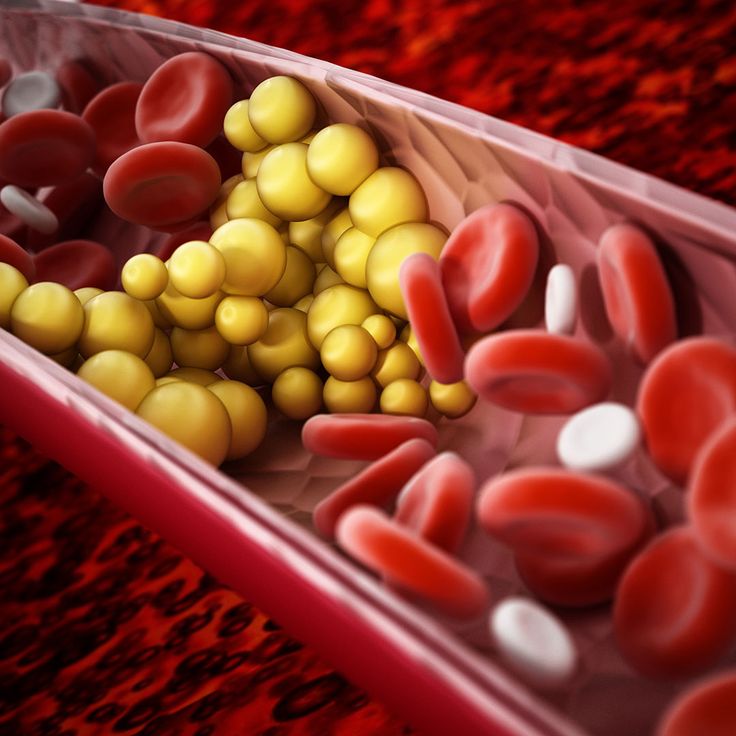
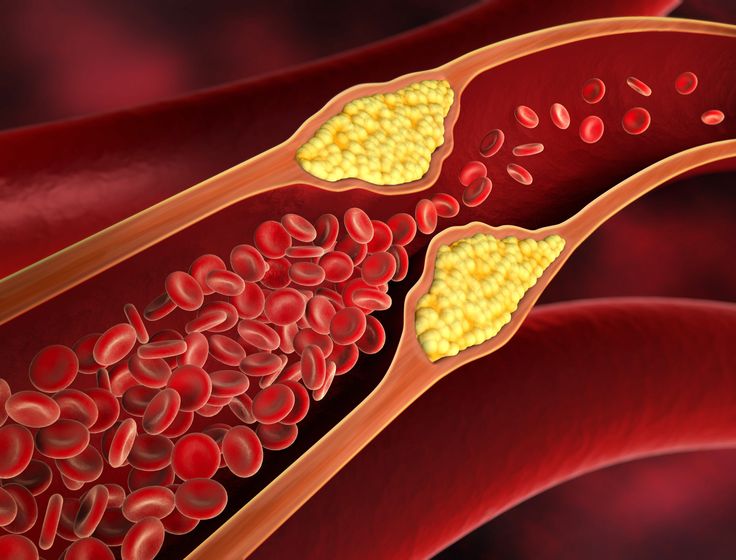
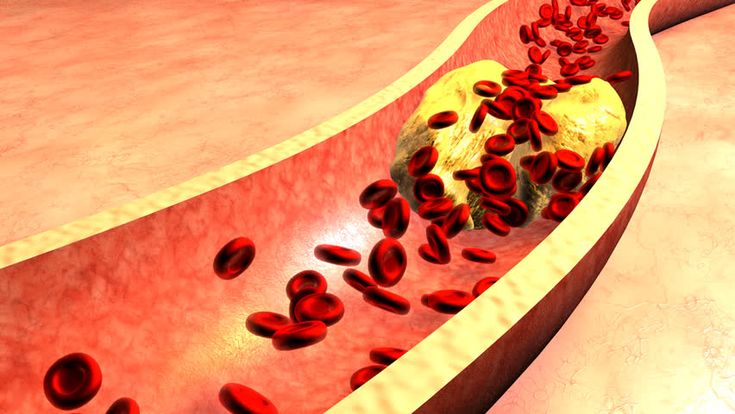
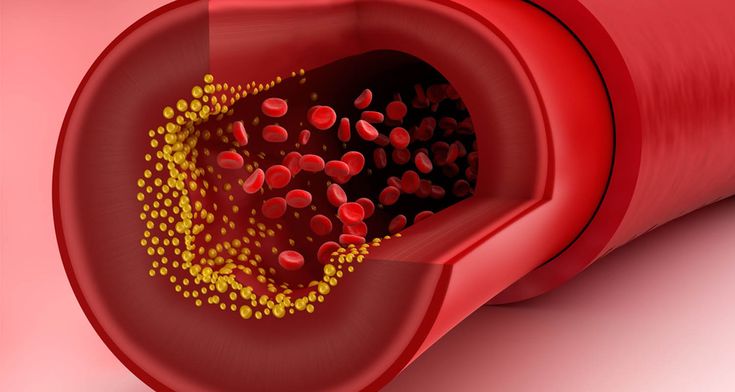
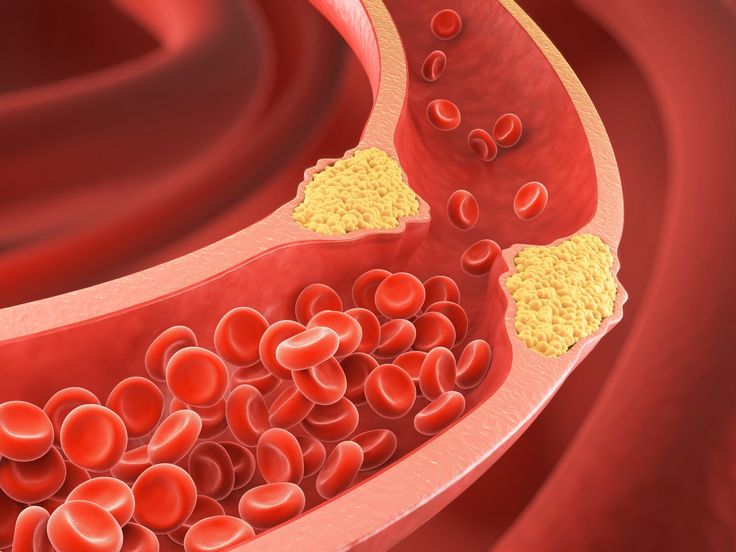
While LDL cholesterol is often labeled as “bad cholesterol,” it’s important to distinguish between particle sizes small, dense LDL particles are more atherogenic and inflammatory than larger, buoyant ones. Elevated triglyceride levels, often driven by high sugar and refined carbohydrate consumption, are closely linked to the formation of these small LDL particles. This means that a diet high in glucose not only raises triglycerides but indirectly increases cardiovascular risk by altering LDL particle size and behavior. Therefore, focusing solely on total LDL levels may be misleading. However, LDL cholesterol becomes a more critical risk factor when accompanied by a strong family history of persistently high LDL or early-onset cardiovascular events such as stroke. In such cases, monitoring and managing LDL levels alongside lifestyle factors becomes essential to reducing long-term inflammation and atherosclerosis risk.
1. Eat a Heart-Healthy Diet
The food you eat has a direct impact on your cholesterol levels. Focus on:
Healthy fats: Replace saturated and trans fats with unsaturated fats like olive oil, avocado, nuts, and seeds.
Fiber-rich foods: Include more soluble fiber from oats, legumes, fruits, and vegetables.
Lean proteins: Opt for fish, skinless poultry, low-fat dairy, and plant-based proteins like beans and lentils.
Avoid processed foods, fried foods, and those high in added sugars or unhealthy fats.
2. Lose Excess Weight
Even a small amount of weight loss 5% to 10% of your body weight can significantly lower LDL levels. Combining a healthy diet with physical activity is the most effective approach.
3. Stay Physically Active
Engaging in moderate exercise for at least 30 minutes most days of the week can help raise HDL (good cholesterol) and lower LDL. Great options include brisk walking, cycling, swimming, or even dancing.
4. Quit Smoking Completely
Smoking damages your blood vessels and lowers HDL, while increasing LDL and triglycerides. Quitting smoking improves cholesterol and heart health almost immediately.
5. Limit or Avoid Alcohol
Too much alcohol can raise cholesterol and blood pressure. If you drink, do so in moderation or better yet, avoid it altogether for optimal health benefits.
Nutritional Instructions to Lower LDL & Small Dense LDL (LDL)
• Reduce refined sugars and simple carbs
⟶ Avoid sugary drinks, white bread, pastries, and sweets that raise triglycerides and promote sLDL formation.
• Increase fiber intake (especially soluble fiber)
⟶ Include oats, flaxseeds, chia seeds, legumes, apples, and psyllium husk to bind LDL in the gut and improve lipid profiles.
• Use healthy fats instead of trans or saturated fats
⟶ Choose olive oil, avocado, nuts, and fatty fish. Avoid deep-fried foods, margarine, and processed meats.
• Consume more omega-3 fatty acids
⟶ Eat salmon, sardines, walnuts, flaxseed oil or consider a high-quality fish oil supplement.
• Avoid industrial seed oils and processed fats
⟶ Limit oils like corn, soybean, sunflower, and canola, which may contribute to inflammation.
• Eat more colorful, antioxidant-rich vegetables and fruits
⟶ Berries, leafy greens, broccoli, and peppers help reduce oxidative stress on LDL particles.
• Limit dietary cholesterol (if sensitive)
⟶ Although cholesterol in food doesn’t affect everyone the same, some individuals benefit from limiting egg yolks, organ meats, and shellfish.
• Increase fermented foods for gut health
⟶ Include kefir, yogurt (unsweetened), sauerkraut, and kimchi to reduce systemic inflammation and support lipid metabolism.
• Reduce alcohol consumption
⟶ Excess alcohol raises triglycerides and contributes to small LDL particle formation.
• Stay hydrated and maintain stable blood sugar levels
⟶ Balanced meals and water throughout the day help control insulin and reduce LDL oxidation.
No comment