

Phosphorus:
Phosphorus is the second most abundant mineral in the body after calcium, and it’s essential for nearly every cell. Unlike some nutrients people worry about getting enough of, phosphorus is so widespread in the food supply that true deficiency is rare, the more relevant conversation today is often about balance, food sources, and who needs to watch their intake more carefully. This article draws on the NIH Office of Dietary Supplements, the National Academies, and peer reviewed nutrition research for an accurate, accessible overview.
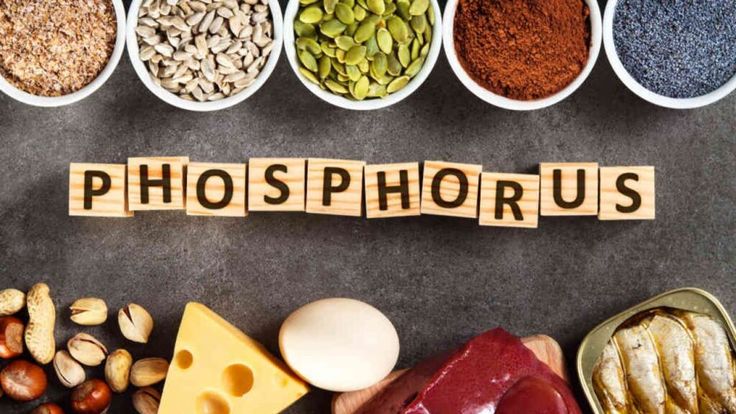
What Does Phosphorus Do in the Body?
Phosphorus is involved in a wide range of essential functions;
- Building and maintaining bones and teeth, roughly 85% of the body’s phosphorus is stored in the skeleton
- Forming cell membranes, as a core component of phospholipids
- Producing and storing cellular energy, phosphorus is central to ATP, the body’s main energy currency
- Building DNA and RNA
- Helping maintain the body’s acid base balance
- Activating enzymes and supporting metabolism
Because phosphorus works so closely with calcium in bone structure, the balance between the two minerals matters more than either one in isolation.
Recommended Daily Intake (RDA)
The Recommended Dietary Allowance for phosphorus, set by the National Academies, is;
- Adult men and women (19 and older); 700 mg per day
- Pregnancy; 700 mg per day
- Lactation; 700 mg per day
- Children and adolescents; lower amounts depending on age, generally between 460 and 1250 mg per day
For context, most adults in countries with a typical Western diet already consume more phosphorus than the RDA through food, the main exception being adolescent girls, who sometimes fall short.
Deficiency; Rare, But Not Impossible
Because phosphorus is present in so many foods, dietary deficiency is uncommon in healthy people. When it does occur, it’s usually linked to specific circumstances rather than an ordinary diet;
- Severe malnutrition or near total starvation
- Refeeding syndrome, seen when severely malnourished patients (from cancer, advanced liver disease, alcohol use disorder, or anorexia) begin nutritional support too quickly
- Long term overuse of aluminum or calcium based antacids, which bind phosphorus and block its absorption
- Certain rare inherited disorders involving kidney phosphorus wasting
- Chronic alcohol use
Symptoms of true deficiency can include loss of appetite, muscle weakness, bone fragility or pain, numbness in the extremities, and in children, rickets.
Food Sources of Phosphorus
Phosphorus is naturally present in nearly all protein containing foods, with two broad categories worth understanding;
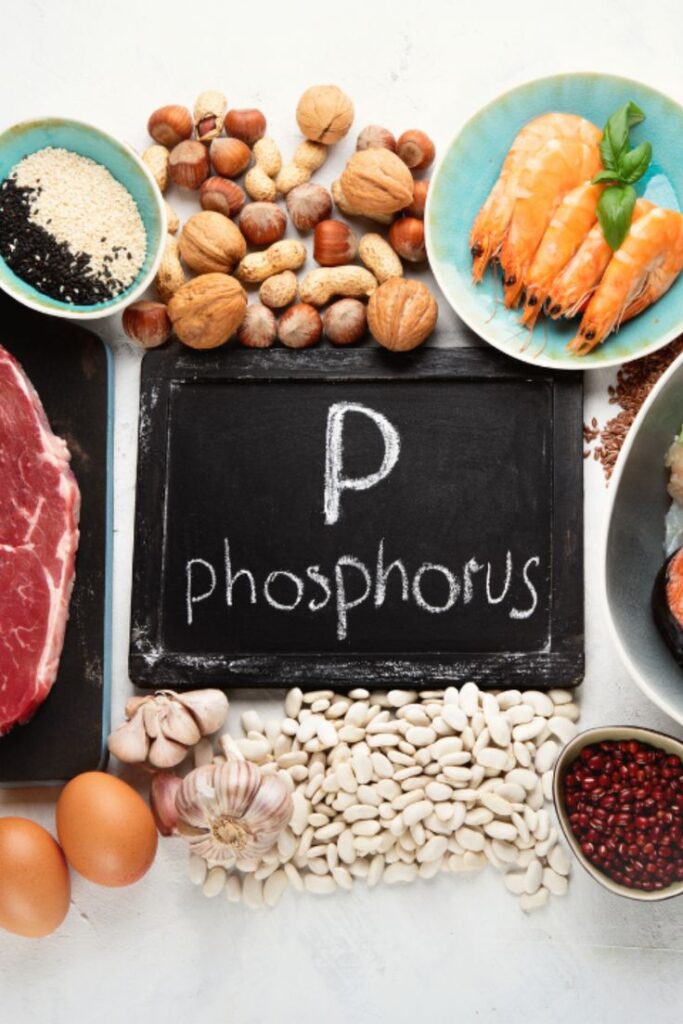
Natural, organic phosphorus (moderately absorbed, roughly 40 to 60%) Dairy products, meat, poultry, fish, eggs, nuts, legumes, and whole grains
Added, inorganic phosphorus (highly absorbed, over 90%) Phosphate additives used in processed foods and beverages, including sodas, processed meats, baked goods, and many packaged convenience foods
This distinction matters because inorganic phosphate additives are absorbed far more efficiently than the phosphorus naturally found in whole foods, which means diets heavy in processed foods can quietly deliver a much higher phosphorus load than the ingredient list would suggest.

Phosphorus, Calcium, and Bone Health
There isn’t strong evidence that typical phosphorus intake in a normal diet harms bone density on its own. The bigger concern is what phosphorus rich foods sometimes displace, particularly when phosphate containing sodas and processed snacks replace calcium rich foods like milk and dairy in the diet. In that scenario, it’s the resulting drop in calcium intake, not phosphorus itself, that poses the greater risk to bone health.
Who Needs to Watch Phosphorus Intake More Closely?
Unlike most micronutrients, phosphorus is a case where excess intake matters more for certain groups than deficiency does;
- People with chronic kidney disease, whose kidneys can no longer efficiently clear excess phosphorus, leading to a buildup in the blood (hyperphosphatemia). Dietary guidelines for these patients often call for phosphorus intake as low as 800 to 1,000 mg per day, well below the general RDA
- People with disorders of calcium regulation
- Anyone taking phosphate containing laxatives regularly, which can raise phosphorus levels
For the general healthy population, kidneys are highly effective at regulating phosphorus levels, so high intake from food rarely causes problems.
Upper Limit and Safety
The Tolerable Upper Intake Level (UL) for phosphorus is;
- Adults 19 to 70; 4,000 mg per day
- Adults 71 and older; 3,000 mg per day
- Pregnant women; 3,500 mg per day
- Lactating women; 4,000 mg per day
These limits apply to combined intake from food, beverages, and supplements. Very few people in the general population actually exceed them, but the figure is a useful reference point given how much added phosphorus has crept into processed food over the past few decades.
Medication Interactions Worth Knowing
- Antacids containing aluminum hydroxide or calcium carbonate (common over the counter brands) can reduce phosphorus absorption, and using them for three months or longer can contribute to low phosphorus levels
- Some phosphate based laxatives can raise phosphorus levels if used frequently
Practical Takeaways
- Deficiency is genuinely rare for most healthy people eating a normal diet
- The bigger practical concern for most people is displacement, phosphate heavy processed foods and sodas crowding out calcium rich foods, not phosphorus toxicity itself
- People with kidney disease are the clearest exception, and should follow individualized dietary guidance rather than general population recommendations
- Reading ingredient lists for phosphate additives (often listed as “phosphate” or “phosphoric acid”) is more useful than counting milligrams for most healthy people
- Long term antacid use is worth discussing with a doctor if it’s a regular habit, given its effect on phosphorus absorption
This article is primarily based on the phosphorus fact sheets from the NIH Office of Dietary Supplements and Dietary Reference Intake data from the National Academies of Sciences.
No comment