
Zinc:
Zinc is one of the body’s essential trace minerals, involved in more than a hundred enzymatic processes. Despite its importance, the amount the body needs is very small, which is exactly why both deficiency and excessive intake can cause problems. This article draws on authoritative sources, including the NIH Office of Dietary Supplements, to give a thorough, science based overview of zinc.
What Does Zinc Do in the Body?
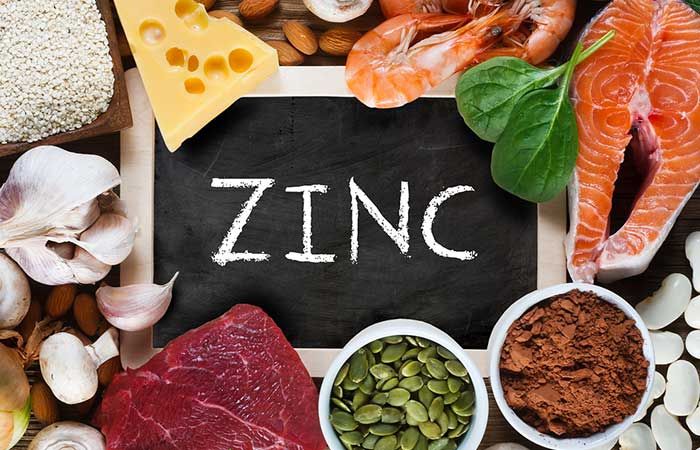
Zinc is a structural component of hundreds of enzymes and plays a key role in the following processes;
- Immune system function and defense against infection
- Wound healing and skin health
- Taste and smell
- Growth and development in children and adolescents
- Gene expression and protein synthesis
- Fertility and reproductive health in both sexes
Because of this broad involvement, zinc deficiency can produce a wide range of symptoms, from impaired growth in children to weakened immune defenses.
Recommended Daily Intake (RDA)
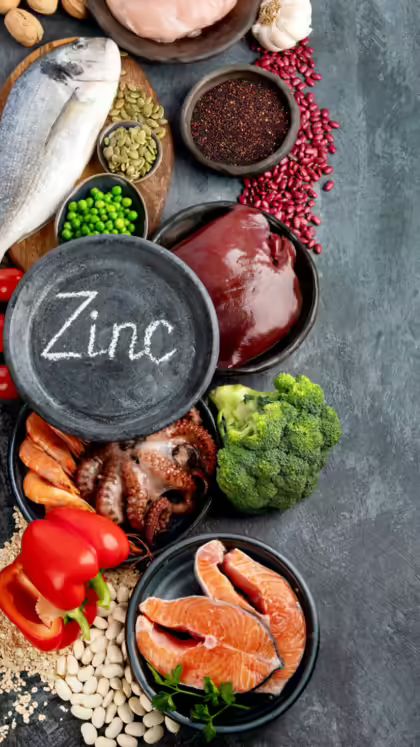
According to the National Academies of Sciences in the US, the recommended dietary allowance for zinc is;
- Adult men; 11 mg per day
- Adult women; 8 mg per day
- Pregnancy; 11 mg per day
- Lactation; 12 mg per day
- Children and adolescents; between 2 and 11 mg per day depending on age
It’s important to note these figures are calculated for zinc obtained from food, and are not necessarily the same amount needed from a supplement, since absorption differs between dietary and supplemental sources.
Zinc Deficiency; Who Is Most at Risk?
Severe zinc deficiency is rare in countries with access to a varied food supply, but mild to moderate deficiency is more common than most people assume, particularly in the following groups;
- People following vegetarian or vegan diets (phytates in grains and legumes reduce zinc absorption)
- People with gastrointestinal conditions that impair absorption, such as Crohn’s disease or ulcerative colitis
- Chronic alcohol users
- Older adults
- Pregnant and lactating women
- People on very restrictive or very low calorie diets
Symptoms of deficiency can include reduced appetite, delayed wound healing, hair loss, weakened immunity, and in children, impaired growth. A definitive diagnosis of zinc deficiency usually requires clinical assessment, since serum zinc levels don’t always correlate well with dietary intake.
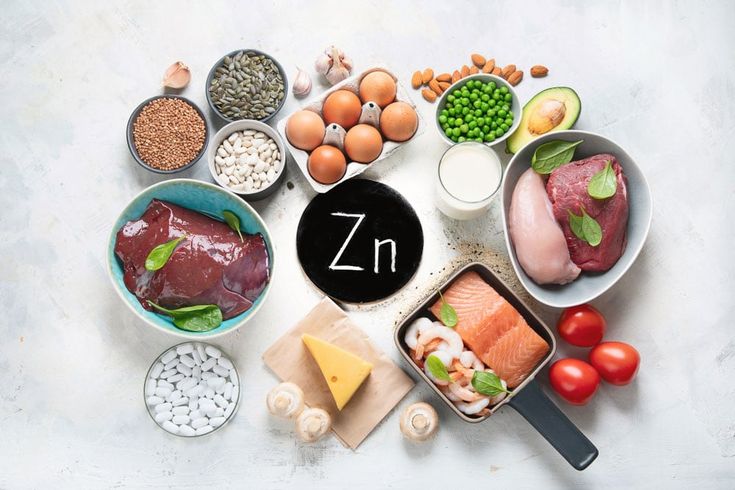
Food Sources of Zinc
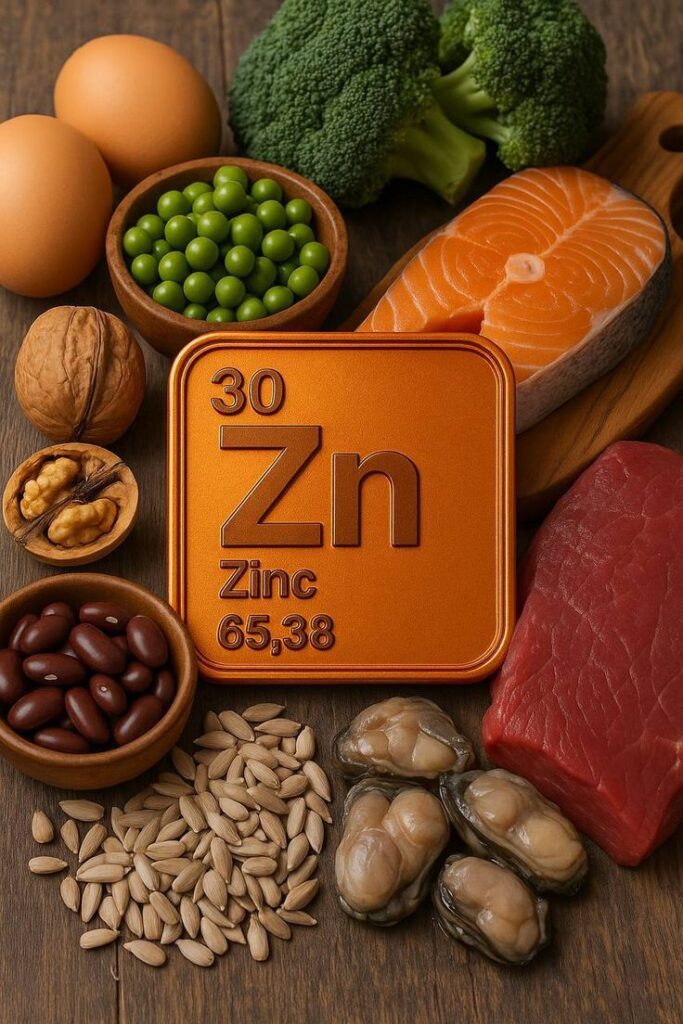
The best sources of zinc fall into two categories, animal and plant based;
Animal sources (higher absorption) Oysters and shellfish, red meat, poultry, eggs, and dairy
Plant sources (lower absorption due to phytates) Legumes, pumpkin and sesame seeds, nuts, whole grains
People following plant based diets typically need somewhat more than the standard RDA to compensate for lower absorption. Soaking and sprouting legumes and grains can reduce phytate content and improve zinc absorption.
Zinc and the Common Cold; What Does the Evidence Actually Show?
One of the most common beliefs about zinc concerns its effect on colds. Scientific evidence suggests that zinc lozenges, taken within the first 24 hours of symptom onset, can modestly shorten the duration of a cold. However, this effect is tied to short term doses above the everyday RDA, not continuous daily use for prevention. Taking high daily doses long term to “prevent” colds isn’t scientifically supported and raises the risk of side effects.
Intranasal zinc sprays are also not recommended, due to their association with loss of smell, which in some cases has been permanent.
The Upper Limit and Risks of High Dose Use
The Tolerable Upper Intake Level for adults is 40 mg per day from all sources combined, food and supplements. Chronic intake above this level can lead to;
- Impaired copper absorption, leading to copper deficiency and associated anemia
- Weakened immune function (contrary to popular belief)
- Reduced HDL (“good”) cholesterol
- Gastrointestinal discomfort, nausea, and diarrhea with very high, sudden doses
For this reason, high dose zinc supplementation should be limited to a defined period and ideally supervised by a healthcare professional, rather than treated as a long term daily habit.
Different Forms of Zinc Supplements
Zinc supplements come in several chemical forms with differing absorption rates;
- Zinc picolinate and zinc citrate; relatively high absorption
- Zinc gluconate; commonly used in cold lozenges
- Zinc oxide; cheaper but lower absorption, more common in topical formulations and some supplements
The right form depends on the goal, daily supplementation versus short term cold relief may call for different choices.
Practical Takeaways
- Most people eating a varied diet don’t need a zinc supplement
- Higher risk groups for deficiency include vegetarians/vegans, people with GI conditions, older adults, and pregnant or lactating women
- Zinc supplementation should be targeted, at a defined dose, and ideally temporary, not an indefinite habit
- Chronic intake above 40 mg per day isn’t recommended and can disrupt the body’s copper balance
- For colds, only early, short term use has solid scientific support
This article is primarily based on the zinc fact sheet from the NIH Office of Dietary Supplements and the National Academies of Sciences.
No comment