


Irritable Bowel Syndrome (IBS):
If you experience frequent episodes of diarrhea, constipation, or alternating between the two, if you suffer from bloating and digestive discomfort after eating, and if you’ve noticed that these digestive issues are connected to changes in your mood, this article may answer many of your questions.
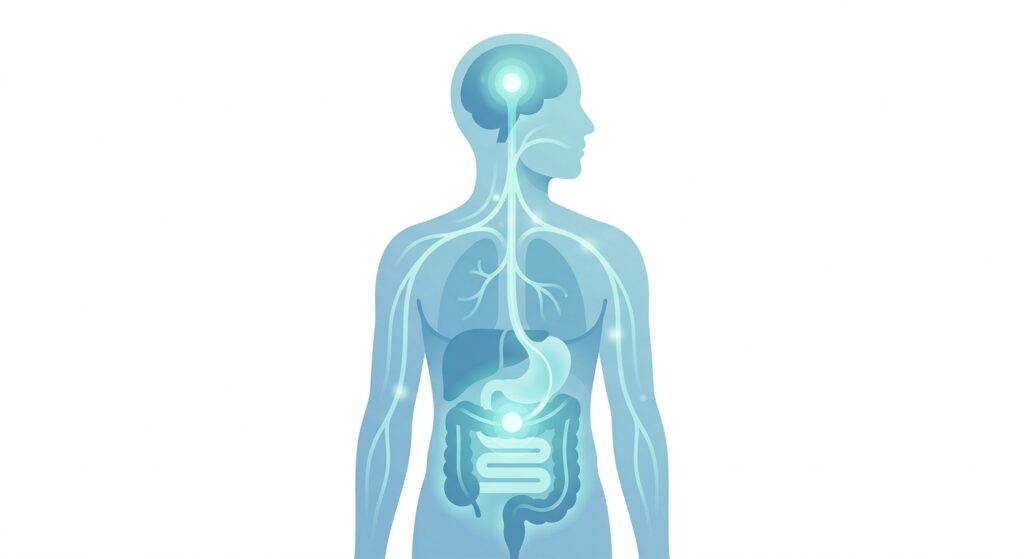
The Gut-Brain Axis
The gut and the brain are connected through multiple mechanisms. Psychological and emotional changes have a direct impact on digestive function, primarily through the neural pathways connecting the brain to the gut.
Interestingly, the gut is one of the most densely innervated organs in the body, containing an extensive network of neurons. A significant portion of the body’s neurotransmitters are also produced in the gut in fact, approximately 90% of the body’s serotonin is produced in the intestines.
This means the relationship between the gut and the brain is bidirectional: mood disorders can worsen digestive problems, and digestive problems can, in turn, affect mood.
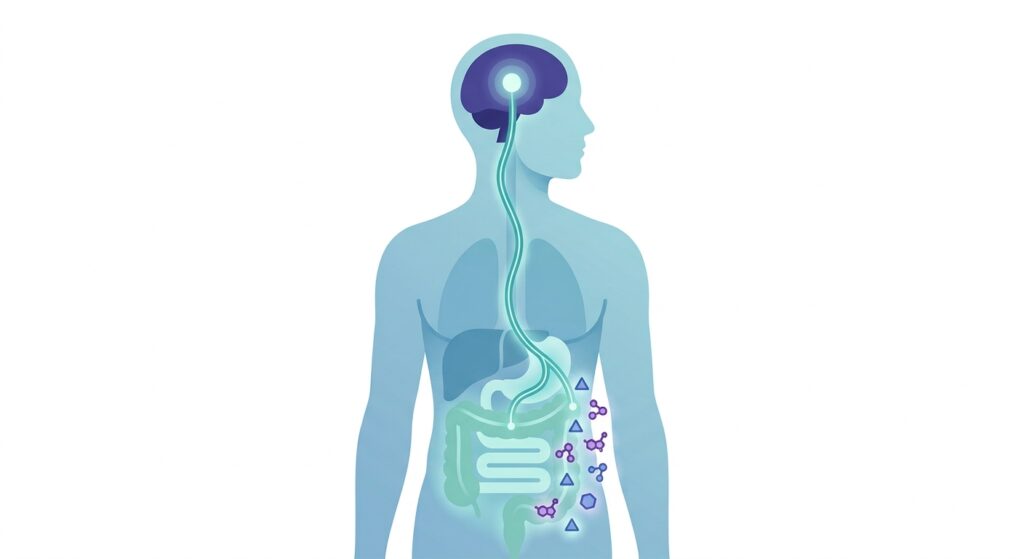
What Is Irritable Bowel Syndrome (IBS)?
IBS, or Irritable Bowel Syndrome, encompasses a wide range of digestive symptoms. To better understand this syndrome, it helps to first understand the role of “intestinal mucosal integrity.”
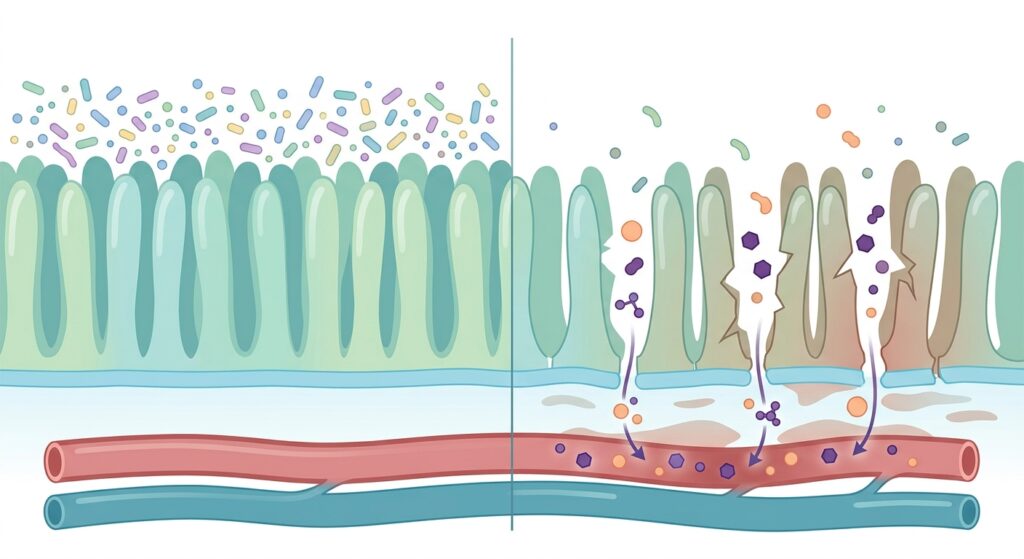
The intestinal wall must maintain its integrity in order to prevent unwanted substances from entering the bloodstream. This requires two essential conditions:
- A predominance of beneficial bacteria over harmful bacteria in the gut microbiome
- A healthy mucosal lining on the surface of the intestine
When this mucosal integrity is compromised, foreign substances can pass directly into the bloodstream. In response, the body produces antibodies (since these substances are recognized as antigens), and this antibody response is what underlies many food allergies.
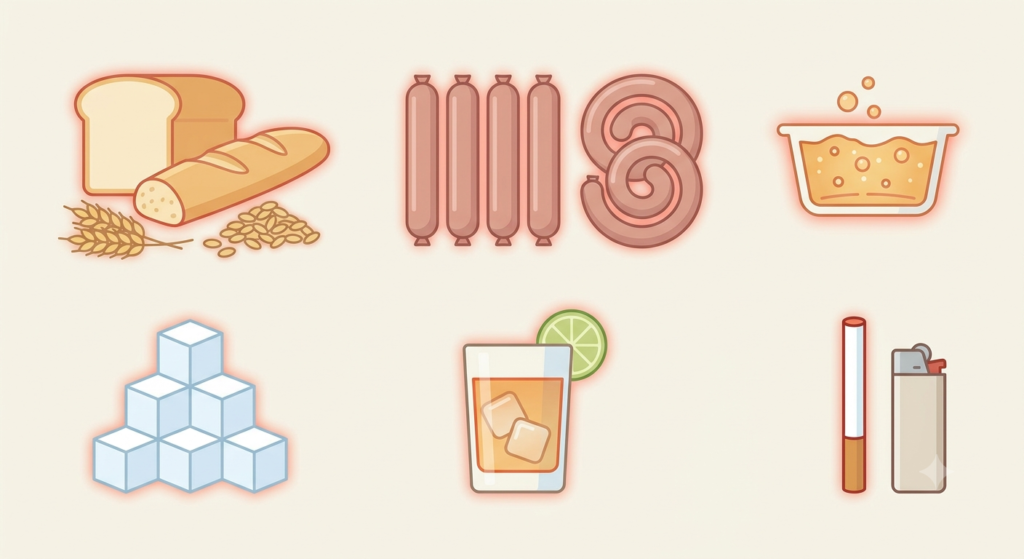
Key Triggers and Damaging Factors for the Gut
High-Risk Foods
The most common foods associated with damage to the intestinal mucosa and the development of food allergies, in order of significance, include:
- Gluten the protein found in grains, bread, and carbohydrates; tops the list of harmful substances
- Alcohol
- Cigarettes
- Processed foods especially fried oils, sausages, and processed meats
- Excess sugar and high caloric intake
- Corn and corn-derived compounds
Chronic Medication Use
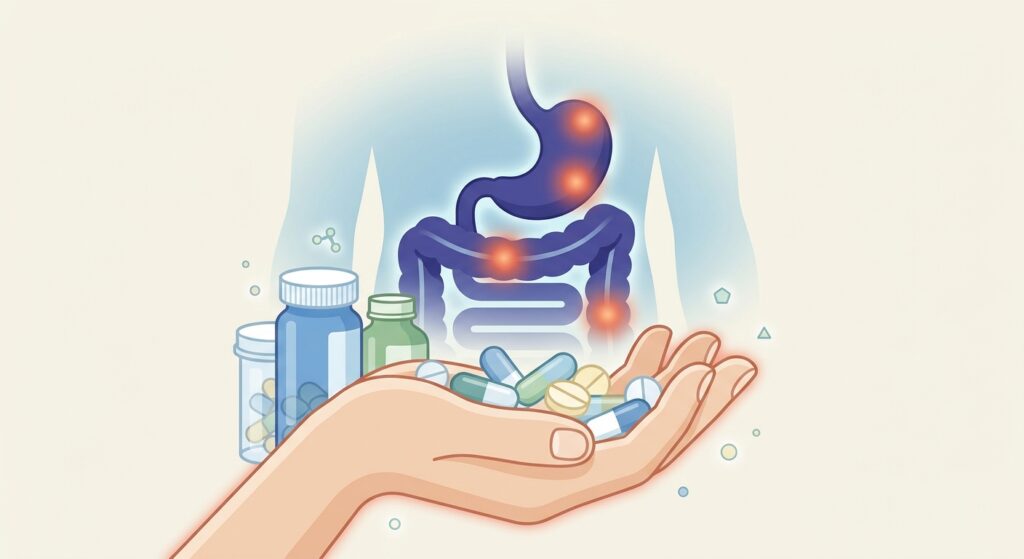
Long-term use of certain medications can also damage the intestinal mucosa, including:
- Antidepressants
- Blood pressure medications (with continuous use)
- Statins (cholesterol-lowering drugs)
- Excessive antibiotic use, including from childhood
Other Factors
- Stress: one of the most significant factors, as it directly damages the gut lining through elevated cortisol levels
What Is SIBO, and How Does It Differ from IBS?
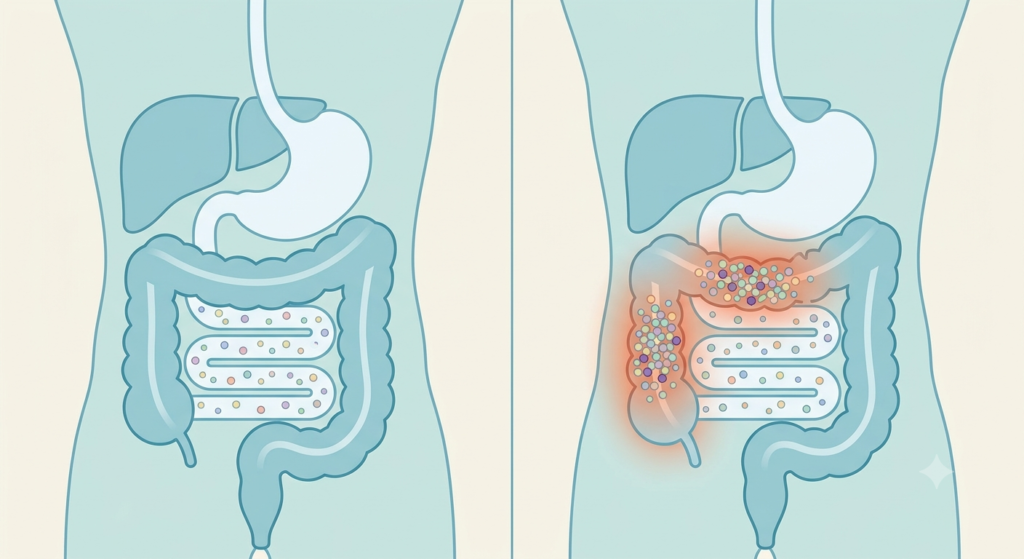
SIBO (Small Intestinal Bacterial Overgrowth) refers to excessive bacterial growth in the small intestine. Common causes include:
- Reduced motility of the small intestine (due to various causes such as constipation or motility disorders)
- Reduced stomach acid, which can itself result from vitamin B12 deficiency or advancing age
- Certain medications; for example, Ozempic, which affects intestinal motility and may contribute to SIBO
In addition to disrupting the intestine’s peristaltic movement, reduced stomach acid can also lead to acid reflux.
Importantly, SIBO symptoms can closely resemble those of IBS, which makes differential diagnosis essential. This is typically done through:
- Breath tests for lactose/lactase
- Blood enzyme tests
- Stool tests (to detect bacteria, parasites, or other pathogens)
- More specialized tests, usually available only at specialty laboratories
In some cases, microbial or parasitic infections (such as Helicobacter pylori) that have not been properly treated can, over time, lead to symptoms resembling IBS, although this is a less common cause compared to others.
Treatment Approach: The 5R Protocol
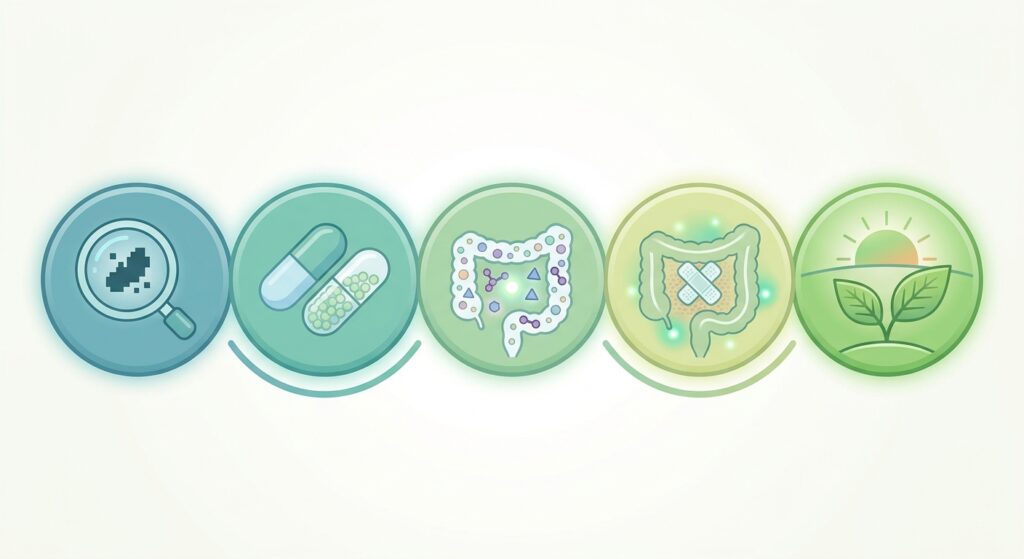
A structured medical approach known as the 5R Protocol has been developed to help resolve IBS. This protocol must be carried out under the supervision of a specialist, step by step; self-directed trial-and-error with various medications and supplements is not recommended.
1. Remove
Potentially problematic foods should be eliminated one at a time to identify which substance triggers or worsens symptoms (e.g., gluten, dairy, soy, or alcohol). In cases where SIBO has been diagnosed, antibiotics may be prescribed as a first step to address the bacterial overgrowth (such as Neomycin or Rifaximin). All of these steps must be carried out under a physician’s supervision and after an accurate diagnosis.
2. Replace
Replacing enzymes or substances the body lacks; for example:
- Lactase supplementation in cases of lactase deficiency
- Acid-supporting supplements in cases of low stomach acid
3. Reinoculate
Restoring beneficial bacteria to the gut through:
- Probiotics and prebiotics (tailored to each individual’s condition; selection should be personalized)
- Fiber
- Sourdough
- Kefir
Important note: In cases involving bacterial overgrowth (SIBO), prebiotics should not be used. This decision must always be made under a physician’s guidance.
4. Repair
Rebuilding the damaged intestinal mucosa through proper nutrition, including:
- High-quality fiber
- Omega-3 fatty acids (anti-inflammatory), while reducing the omega-6 ratio
- Adequate protein intake (to support tissue repair)
- Reduced carbohydrate intake (one of the primary damaging factors)
- Reduced consumption of processed foods
- Key micronutrients: zinc, vitamin A, vitamin D
5. Restore
At this stage, a healthy lifestyle plays a central role in maintaining long-term results:
- Stress management lowering cortisol levels has a direct positive effect on gut function
- Regular exercise at least 30 minutes daily; exercise improves oxygen delivery, which boosts mitochondrial activity essential for digestive system function, and also stimulates the release of mood-boosting hormones such as endorphins
- Quality sleep approximately 7-8 hours of sleep per night is essential for repairing the gut lining and supporting brain health; conditions such as sleep apnea should be addressed as a priority
What Is FODMAP?
FODMAP stands for Fermentable Oligosaccharides, Disaccharides, Monosaccharides, And Polyols — a group of short-chain carbohydrates that are poorly absorbed in the small intestine and can ferment in the gut, worsening IBS symptoms.
Examples of polyols commonly found on food labels include xylitol and mannitol. Many fruits also fall into this category due to their high fructose content.
A practical note: many seemingly healthy products (such as certain protein bars) contain high amounts of these compounds. Studies have shown that following a low-FODMAP diet can lead to symptom improvement of up to 70% in sensitive individuals.
General recommendation: each person should identify their individual sensitivity to these substances and gradually eliminate the problematic ones from their diet.

The Role of Serotonin in Diet
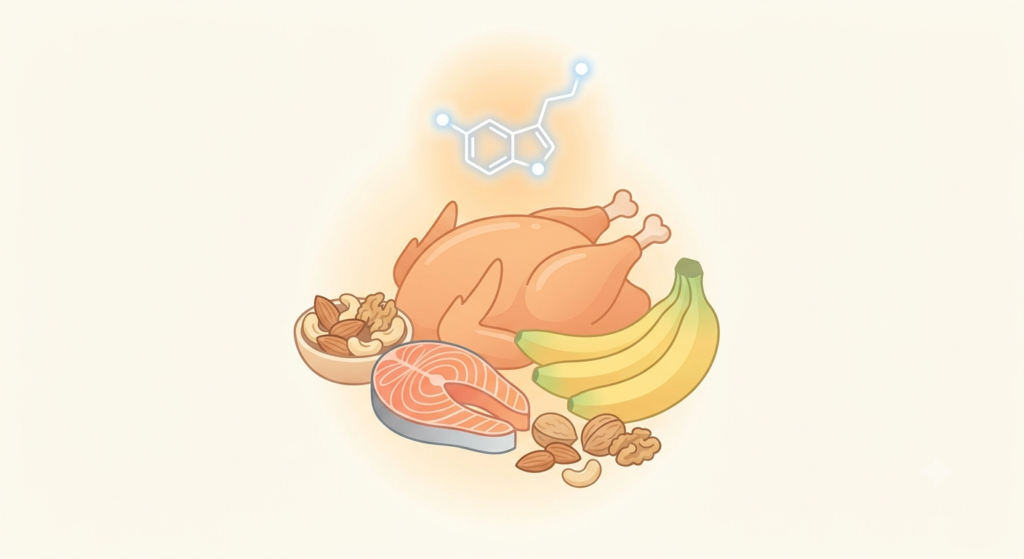
Certain foods contain serotonin precursors and may help improve symptoms, particularly given the gut-brain connection, including:
- Turkey
- Tryptophan-rich protein sources
- Fish
- Bananas
That said, it’s recommended that each individual assess whether these foods worsen their digestive symptoms before incorporating them into their diet.
Intermittent Fasting
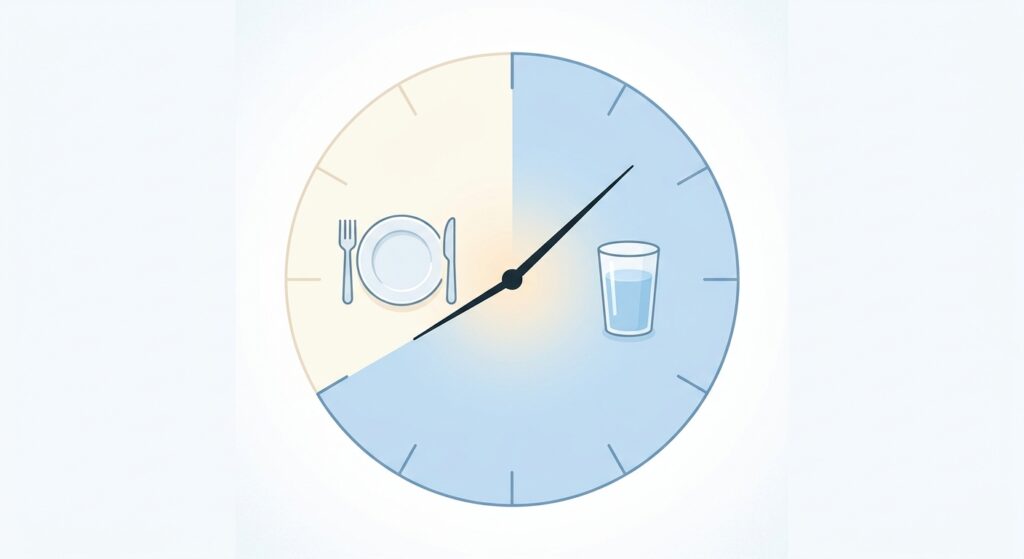
When practiced in moderation and tailored to individual needs, intermittent fasting can support the repair of the intestinal mucosa and increase the production of beneficial short-chain fatty acids by healthy gut bacteria both by promoting the growth of beneficial bacteria and by boosting the production of these fatty acids.
Conclusion
Managing IBS requires a step-by-step and fully personalized approach:
- Precisely identifying individual food sensitivities through gradual elimination
- Accurately distinguishing IBS from similar conditions such as SIBO, through specialized testing
- Following the 5R Protocol under professional supervision
- Adopting a healthy lifestyle that includes proper nutrition, stress management, regular exercise, and quality sleep
The most important principle throughout this process is to avoid making multiple changes at once; foods and interventions should be tested one at a time in order to accurately identify the root cause of symptoms.
This article is for educational purposes only and is not a substitute for consultation with, or diagnosis by, a qualified gastroenterologist. Please consult your physician before making any changes to your diet or before taking any medication or supplement.
No comment